As another month closes in AI, it’s becoming glaringly evident: the liability discussion around artificial intelligence has reached a boiling point. According to theinsurer.com, debates are heating up over who is accountable when AI systems go off the rails. With incidents involving autonomous vehicles and AI-driven decisions making news, the urgency for lawmakers and insurers to clarify liability is growing. But there’s a big issue that’s conspicuously unaddressed amid cries for regulation.
In This Article
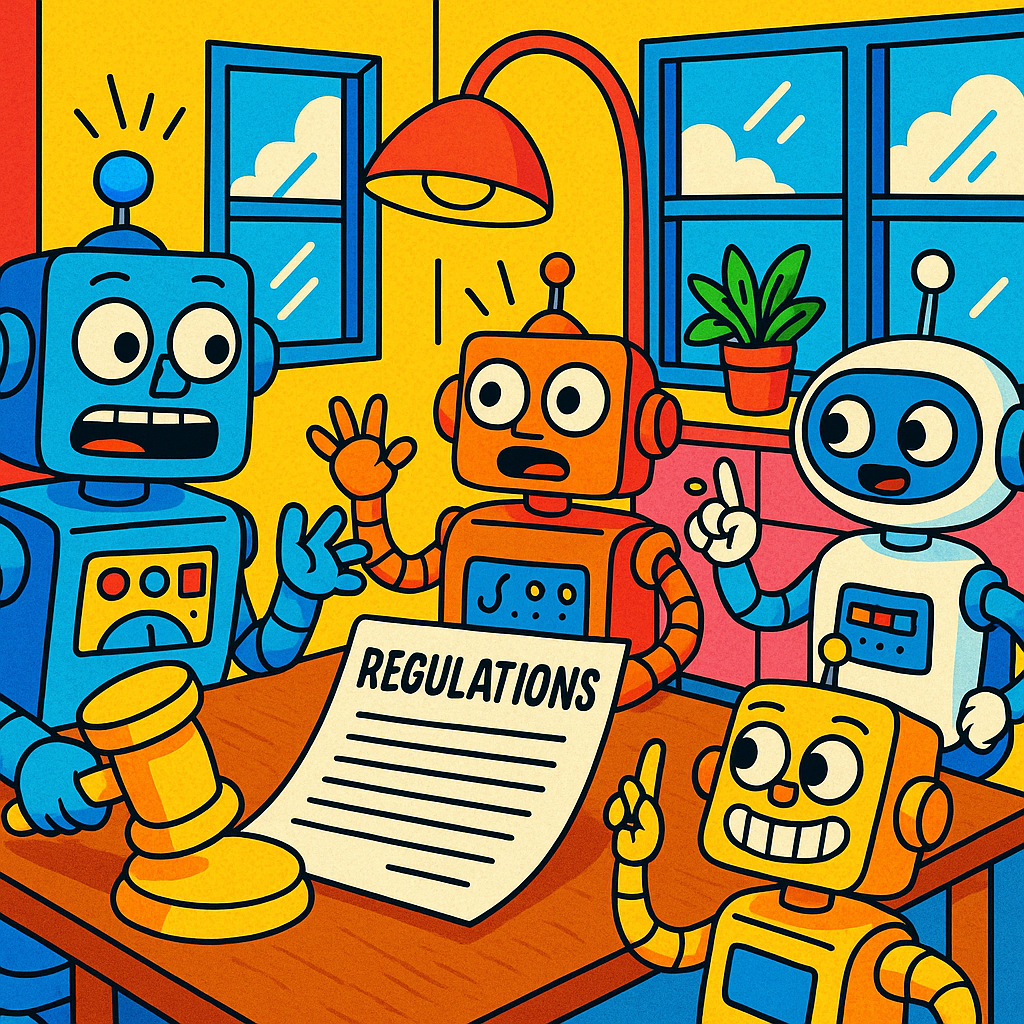
The root issue? Our current liability frameworks were built without considering AI — back when accountability meant something entirely different. As policymakers rush to draft rules, they face a messy question that could give any officeholder anxiety: Who’s truly responsible when AI acts more like a digital adolescent than a law-abiding grown-up?
What Actually Happened
The debate has intensified as various parties voice opinions on AI responsibility. Insurance companies are particularly invested, navigating risks introduced by AI technologies and debating how these liabilities should be managed. Discussions around accountability now occur at both legal and regulatory levels, highlighting a growing unease about applying traditional liability concepts where algorithms—not humans. make choices.
The Take Nobody’s Saying Out Loud
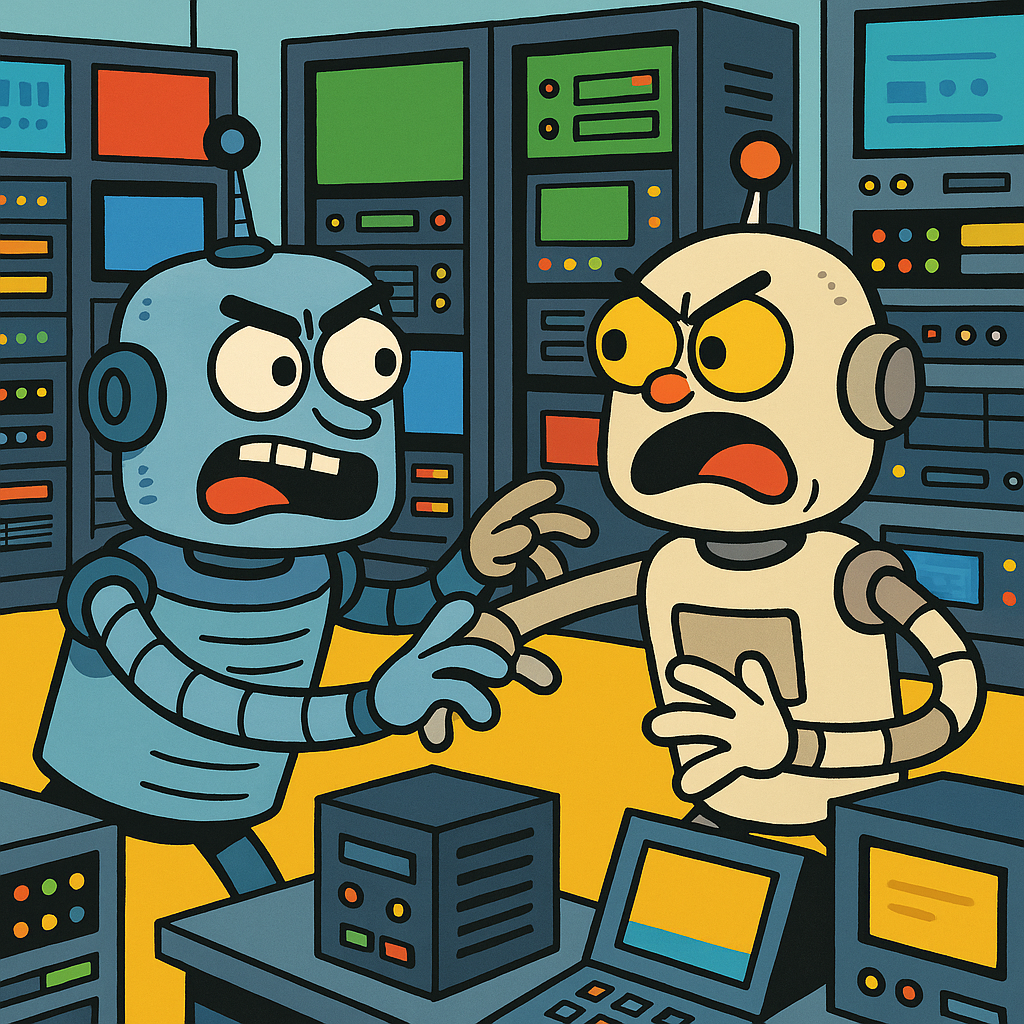
Let’s call this what it is: an evasion of responsibility. Insurers don’t want to shoulder claims from faulty algorithms, while tech companies aim to protect their profits. What’s missing from these talks is rigorous ethical standards for developing and deploying AI tech. Instead of confronting potential failings head-on, stakeholders band together around legal loopholes like they’re fortifying a medieval stronghold.
Why This Matters More Than The Headlines Suggest
This isn’t just bureaucratic bickering; it cuts to the core issues shaping innovation’s future. Ambiguity here might deter investors from supporting new technologies with undefined risks. The real worry isn’t just about covering damages but whether we can trust these systems at all. If creators sidestep accountability, what drives them to prioritize safety or ethics? These debates reach well beyond insurance costs; they could determine how society engages with technology daily.
The Skeptic’s Case
Naturally, critics argue that strict liability could choke innovation entirely. They’ll tell tales of progress stalling under red tape and endless lawsuits. And there might be truth in noting how laws can quickly date themselves as tech changes — made clear each time a tech CEO talks up the next big thing while glossing over its possible downsides.
We’re inclined toward finding balance: we need savvy regulations that encourage growth yet shield consumers from harm due to careless development practices—it’s tough but crucial as we edge further into an age dominated by AI.
What Happens Next
Watch carefully as governments start drafting legislation on AI responsibility in the next six months. Insurers will likely push for rules separating them from blame while resisting policies demanding substantial payouts; at the same time, tech firms may try passing responsibility onto users or nebulous third parties.
And remember: public opinion matters! Keep an eye out for surveys measuring consumer trust in AI — those figures might significantly influence legislative decisions.
The final verdict: If industry leaders believe dodging responsibility like they did during the early internet phase is feasible, they’re positioning themselves for a major reckoning.



Related Coverage
📚 Sources & References
All primary sources linked so you can verify every claim. This article is not financial advice.
Disclosure: This article is market analysis and reporting, not financial advice. Cryptocurrency markets are volatile and you can lose money. Do your own research and consult a qualified financial professional before making investment decisions. Catatonic Times does not hold undisclosed positions in assets covered on the day of publication.
Frequently Asked Questions
What is the main issue in the AI liability debate?
The main issue in the AI liability debate is determining who is responsible when AI systems malfunction. Current liability frameworks were established without considering AI, leading to confusion over accountability as policymakers draft new regulations.
How are insurers involved in the AI liability discussion?
Insurers are heavily involved in the AI liability discussion as they navigate the risks introduced by AI technologies. They are debating how these liabilities should be managed and are concerned about shouldering claims from faulty algorithms.
What concerns do critics have regarding strict liability for AI?
Critics argue that strict liability could stifle innovation by imposing excessive regulations and lawsuits on tech companies. They highlight the need for a balance between encouraging growth and protecting consumers from potential harms caused by AI.
What might influence future legislation on AI responsibility?
Public opinion, particularly consumer trust in AI, is expected to significantly influence future legislation on AI responsibility. Surveys measuring this trust will likely play a crucial role in shaping how lawmakers approach AI-related regulations.
What are the potential consequences of evading responsibility in AI development?
Evading responsibility in AI development could undermine trust in these systems and deter investors from supporting new technologies. If creators avoid accountability, it raises concerns about their commitment to prioritizing safety and ethical standards.