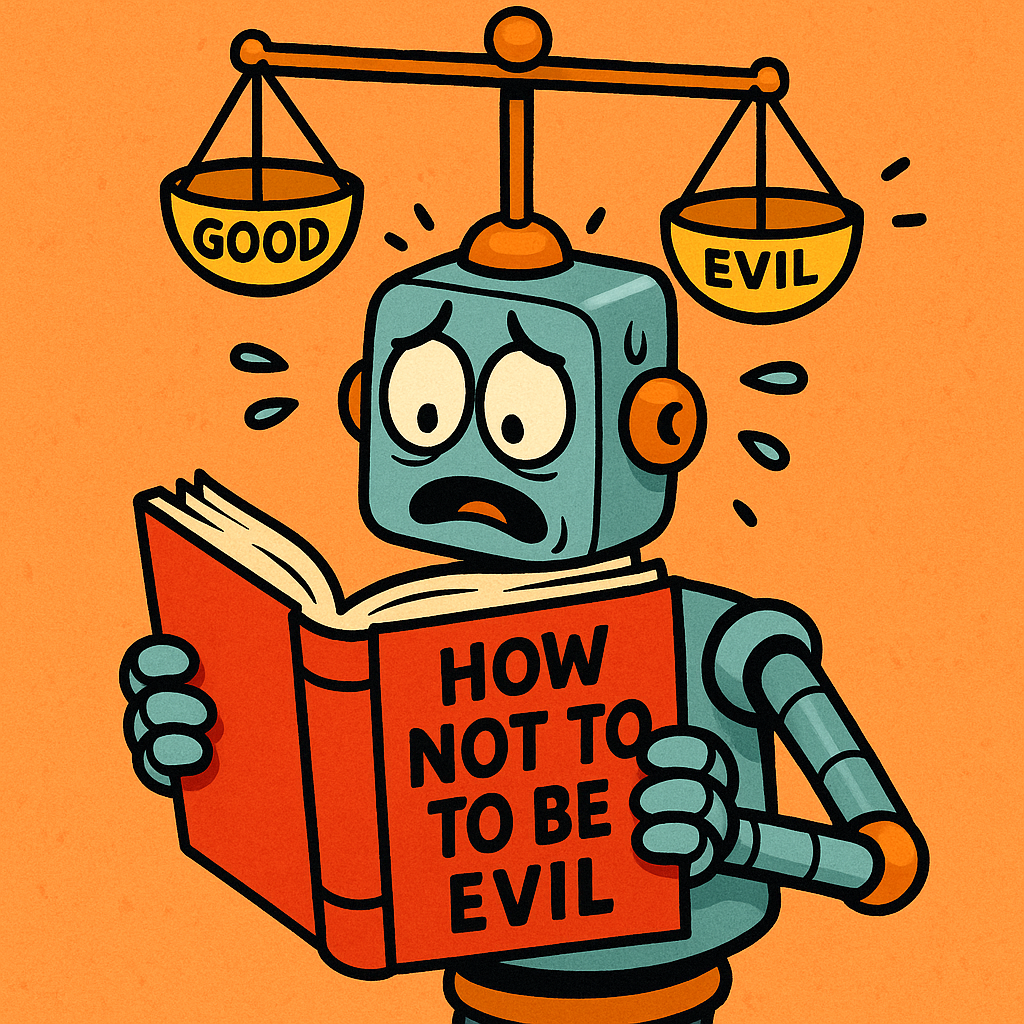
In a world swirling with artificial intelligence, Cardinal Timothy Radcliffe hit the nail on the head: young people must be encouraged to ask questions. Yes, you heard that right. Just as we’re all getting used to AI chatbots spitting out answers faster than a teenager can scroll TikTok, here comes a religious leader reminding us that curiosity is key. It’s almost like he’s winking at us from across the digital divide and saying, “Hey, don’t let these algorithms do all your thinking for you!” But here’s where it gets spicy—questioning authority has never been more critical, and he may just be opening a Pandora’s box in the age of AI.
In This Article
Key Takeaways
- AI can’t replace curiosity—Cardinal Radcliffe says engage!
- Questioning authority is vital in an era driven by technology.
- Skepticism isn’t a curse; it’s essential for cognitive survival.
- Empowering youth means challenging both tech and tradition.
What Actually Happened
According to Vatican News, Cardinal Radcliffe emphasized the importance of fostering inquiry among youth given our increasingly AI-driven society. This call isn’t merely about asking questions; it’s about instilling a habit of skepticism and engagement—a refreshing contrast to the passive consumption of information we often see today. As digital platforms spit out content at lightning speed, his message shows that we should all become active participants rather than mere spectators.
The Take Nobody’s Saying Out Loud
The uncomfortable read here is that Cardinal Radcliffe isn’t just preaching to the choir; he’s tapping into an existential fear many seem reluctant to acknowledge: AI is reshaping reality and why not let it handle the heavy lifting? The irony here? As we build machines capable of intelligent conversation, it turns out humans need to relearn how to converse themselves. If young people don’t challenge the status quo—and instead accept whatever an algorithm presents as gospel. then what happens when they encounter dissenting thoughts or complex issues? Having young minds engage critically with information doesn’t just matter ethically; it’s essential for their cognitive survival.
Why This Matters More Than The Headlines Suggest
This isn’t merely about asking questions—it’s a clarion call for resilience in an age marked by misinformation and convenience over comprehension. When Cardinal Radcliffe champions inquiry, he’s voicing concern over who controls narratives and facts in a world increasingly dominated by AI-generated outputs. This issue touches on broader themes of autonomy and agency often glossed over in discussions about technology. It begs us to consider not only what we’re being told but also who’s doing the telling and whether machines will ever question their own biases or limitations.
The Skeptic’s Case
Now, some might argue encouraging endless questioning could lead to paralysis by analysis—or worse yet, escalation towards conspiracy theories fueled by skepticism without factual foundations. They might say not every algorithm needs scrutiny; sometimes we’re better off trusting systems designed for efficiency and scaling human capability. And in fairness, there’s merit in operating within frameworks designed by expert input. sometimes it’s good to lean on tested information rather than sifting through every claim endlessly.
But here’s where we land: Caution’s got its place, but squashing curiosity risks breeding complacency, not just in the young, but society-wide. A bit of skepticism can balance out misinformation while keeping intellectual rigor alive.
What Happens Next
As this chat keeps going, watch for educational pushes to give young folks critical thinking skills for AI settings. Schools or community groups might roll out new plans based on these ideas—maybe workshops where kids get hands-on tech tool scrutiny! Plus, expect more talk about ethics guidelines on how AI deals with data and user interactions.
If history is our guide, movements with this mindset can drive big change—so hold tight! This isn’t just theory; it’s moving through different areas and could change how tech fits into education.
Verdict: In times full of automated chatterboxes, young people’s radical questioning might be the best shield against lives scripted by algorithms.



Frequently Asked Questions
What did Cardinal Radcliffe say about youth and AI?
Cardinal Radcliffe stressed that young folks should feel free to question things as AI becomes more prevalent.
Why is questioning important in today’s digital world?
Critical thinking supports challenging information served up by algorithms and fights off complacency.
How might education change due to this emphasis on inquiry?
We might notice educational efforts centered on fostering critical thinking skills for interacting with tech specifically.
Is skepticism towards technology always positive?
While handy, it can freeze you in analysis paralysis if not balanced. Striking a balance between questioning and trusting is key.
Related Coverage
📚 Sources & References
All primary sources linked so you can verify every claim. This article is not financial advice.
Disclosure: This article is market analysis and reporting, not financial advice. Cryptocurrency markets are volatile and you can lose money. Do your own research and consult a qualified financial professional before making investment decisions. Catatonic Times does not hold undisclosed positions in assets covered on the day of publication.