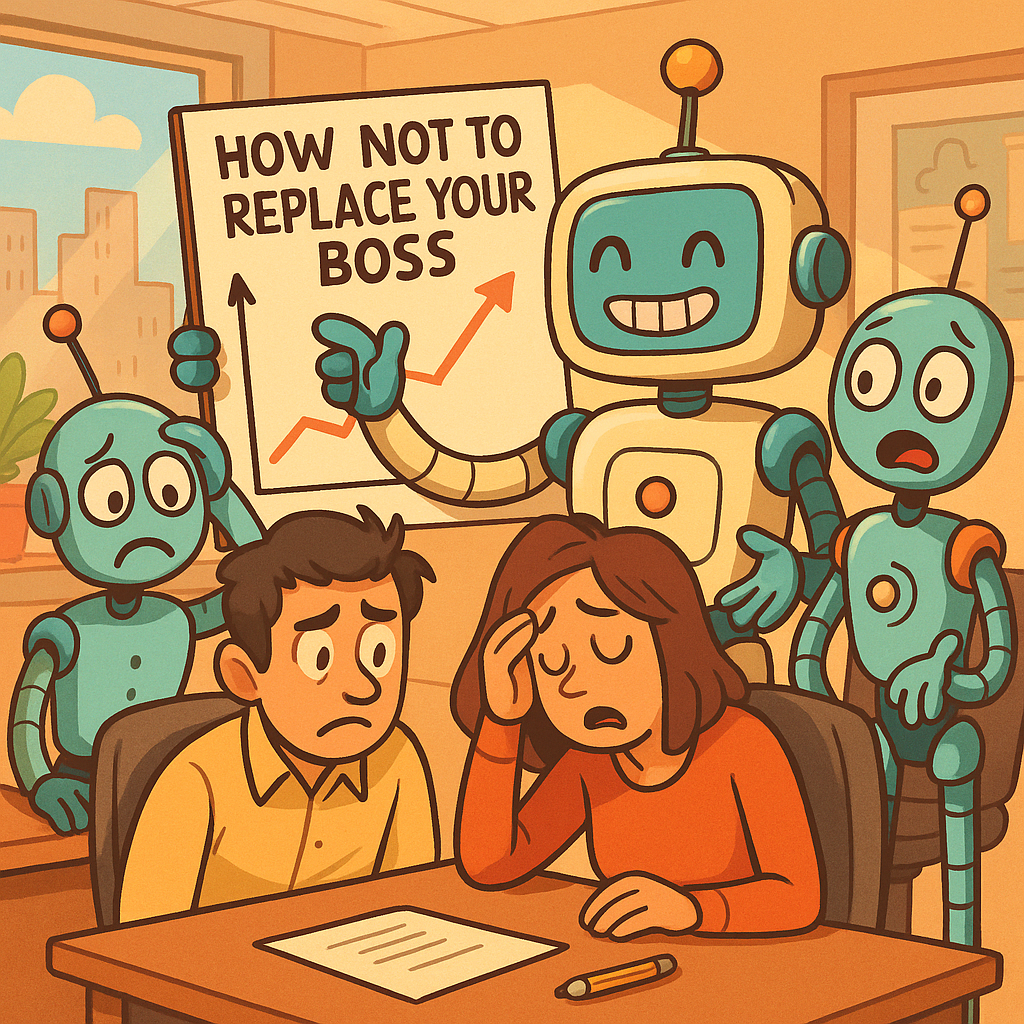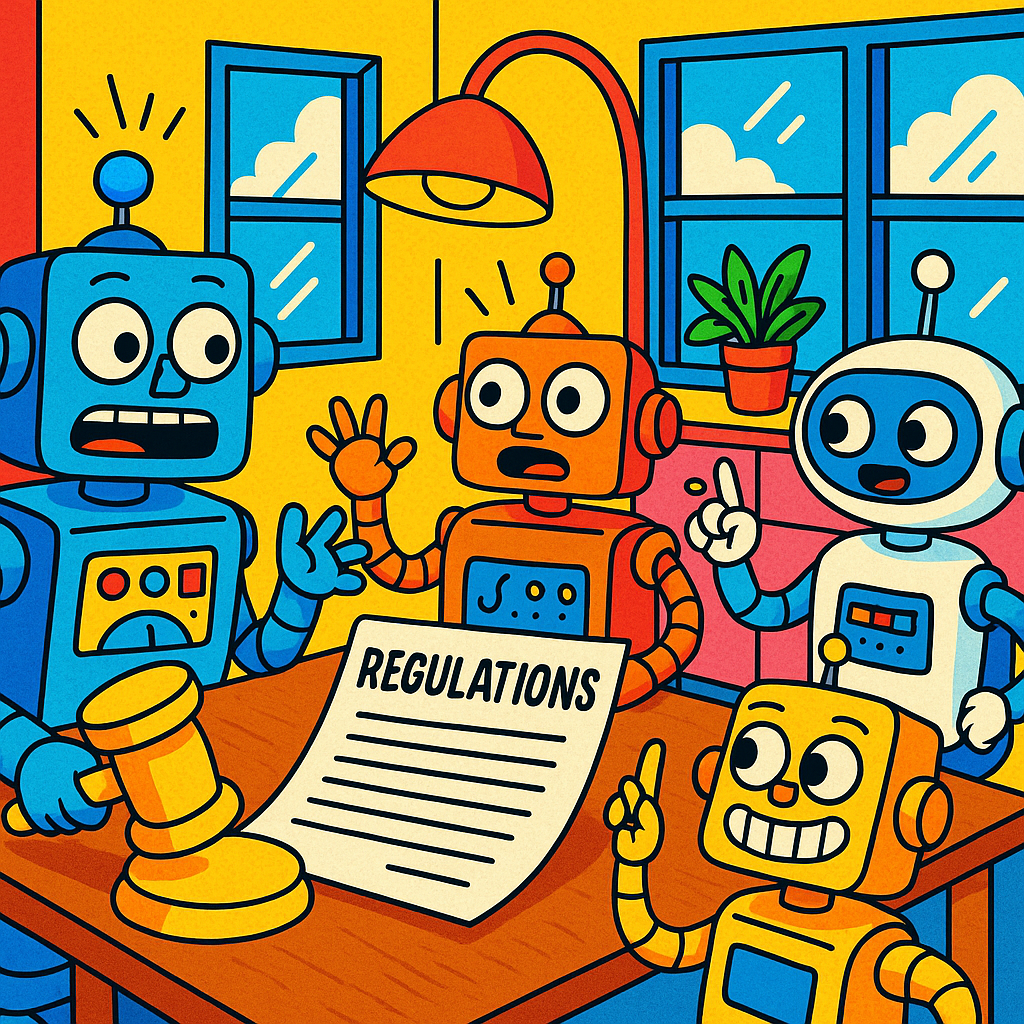
AI leaders are at it again, calling for regulation like it’s the latest trend. The Independent Institute says these tech giants are beckoning governments for rules on AI development and deployment. This isn’t shocking; it’s as predictable as family gatherings turning political.
In This Article
Key Takeaways
- AI leaders’ calls for regulation sound like echoes of past times.
- This is about image management, not just ethics.
- Public trust is their currency — they’re trying to preserve it.
- Brace for regulatory talks. Innovation could push back.
- It’s survival under a magnifying glass when all’s said and done.
Here’s the kicker though: this is nothing new. It feels ritualistic — each technological wave brings new demands for oversight. Why now? CEOs who thrived in chaos suddenly want guardrails?
What Actually Happened
Latest headlines in artificial intelligence have big names asking lawmakers to regulate AI technologies. The Independent Institute highlights that these requests aren’t novel but mirror old appeals, often more reactive than proactive. They claim regulations will curb risks from rapid AI advancements — things like job loss and ethics issues.
The Take Nobody’s Saying Out Loud
Here’s the blunt truth: these cries for regulation aren’t really about safety or ethics. It’s survival tactics. At this crossroads, it’s not merely progress at stake but public opinion too. When society tires of tech overreach, these leaders hope to placate by requesting governance. Convenient timing, much like politicians promising reform pre-election.

Why This Matters More Than The Headlines Suggest
This isn’t just about regulation; it’s about control and managing public perception in tech. What this indicates is recognition from inside that unchecked power breeds distrust, a real warning for an industry thriving on tech dreams. If big names are pushing for regulations, it might signal deeper issues—maybe internal rivalries or outside pressure from consumer advocates.
This could mark a shift in how power dynamics unfold in tech. When an industry starts asking governments for oversight rather than racing ahead with unchecked innovation, it suggests they’re scared of losing their hold on a skeptical public.
The Skeptic’s Case
Some skeptics claim these regulation requests could stifle innovation, dragging us into bureaucratic tape where ideas slowly perish. They argue while regulation helps, over-regulation can cripple tech advancements—akin to putting training wheels on a race car.
Still, look deeper and you’ll see that without guidelines steering AI’s growth, we risk falling into a sci-fi dystopia where powerful algorithms call the shots without checks. Where do I stand? I’m all for dialogue, even if it feels like arguing with my cactus about watering times.
What Happens Next
Immediately? Expect more debates around AI ethics boards in firms and likely proposals from lawmakers eager to seem responsive to tech leaders’ calls. It might be wise to watch for partnerships between AI companies and regulators as they work out this evolving scenario together.
If history teaches anything, get ready for more press events where execs voice deep concerns over possible impacts—just slightly more genuine than those grand award show speeches.
Final Verdict
The takeaway here? When tech giants ask for rules, prepare yourself: they’re likely more invested in dodging public ire than heroically rescuing society.
Frequently Asked Questions
Why are AI leaders asking for regulation?
They’re after regulatory frameworks to tackle risks linked to fast-paced advances in artificial intelligence.
Is this call for regulation new?
No surprise here; this cycle repeats as tech evolves and public concern intensifies.
What risks do AI technologies pose?
Worries include job loss, ethical quandaries, and erosion of trust if unchecked.
Do all experts agree with regulating AI?
No. Some worry that too many regulations might slow innovation in the sector.
What might happen next after these calls?
Expect more talks on AI ethics and potential collaborations between tech companies and regulators.
Related Coverage
📚 Sources & References
All primary sources linked so you can verify every claim. This article is not financial advice.
Disclosure: This article is market analysis and reporting, not financial advice. Cryptocurrency markets are volatile and you can lose money. Do your own research and consult a qualified financial professional before making investment decisions. Catatonic Times does not hold undisclosed positions in assets covered on the day of publication.