
Solana Cuts Account Deposits by 90%: A Shift in SOL Staking
According to CryptoSlate, Solana just announced a dramatic reduction in account deposit requirements, slashing them by a staggering 90%. This change could significantly alter the reasons holders have for maintaining their SOL positions. The short answer is: this move raises questions about the long-term viability of SOL as a staking asset.
Key Takeaways
- Solana has cut account deposits by over 90%.
- This move could weaken incentives for holding SOL.
- User engagement levels will be crucial moving forward.
- Market reaction is necessary for gauging long-term impacts.
- Further cuts require sustained consistent account activity.
Quick Answer
Solana has announced a dramatic cut in account deposit requirements by up to 90%, which could reshape its staking dynamics significantly. Investors should monitor user engagement trends closely.
What Happened?
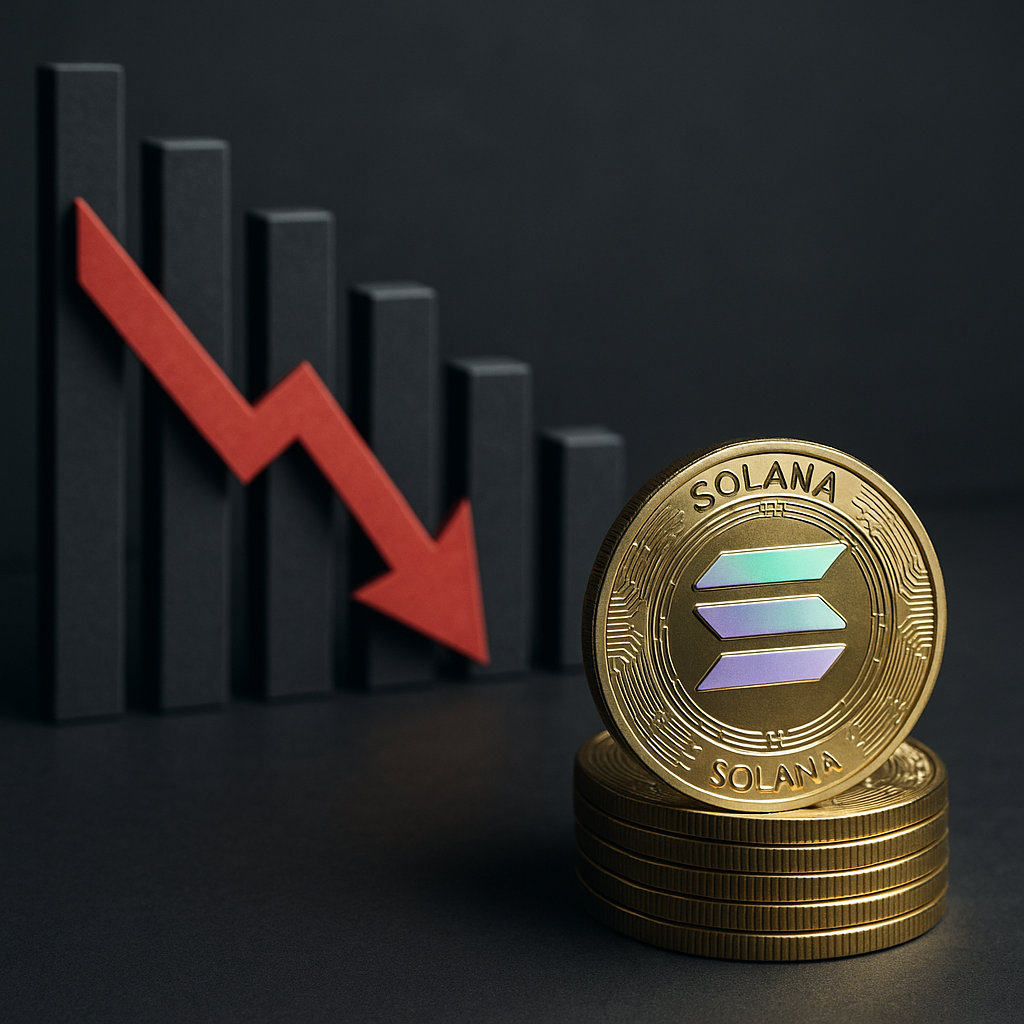
The initial phase of Solana’s plan is now live, but it hinges on further developments. To preserve the historical minimum reserves of SOL required for accounts, Solana would need to implement a tenfold increase in the persistent account state. we’ll see if these changes take full effect.
This significant alteration appears aimed at making the platform more accessible, but it could also dilute the incentives that have kept many investors engaged. With SOL trading at $103 (as of September 05, 2026), a decrease in engagement or investment interest might trigger shifts in price dynamics.
Why It Matters
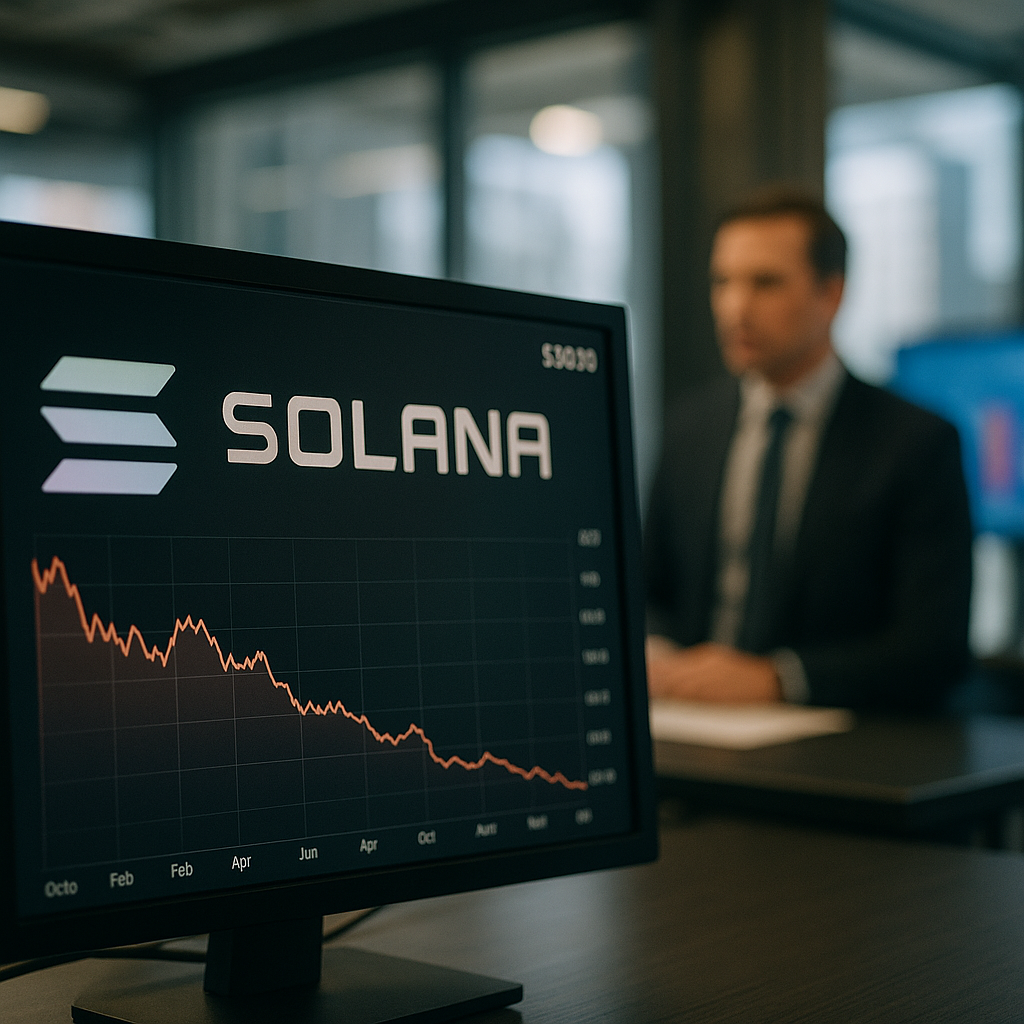
This adjustment comes during a period where cryptocurrency markets are showing volatility, particularly with Bitcoin currently valued at $80,136. The crypto environment remains sensitive to regulatory news and market sentiment. With other assets like Ethereum (ETH) around $2,472, the landscape for staking incentives is increasingly competitive.
We’ve seen similar drastic changes before — think about how Ethereum’s transition from proof-of-work to proof-of-stake affected its user base and staking dynamics. By cutting deposit requirements so dramatically, Solana risks losing some foundational elements of its ecosystem that encourage users to hold and stake their tokens.
The Market’s Missing Context
Many analysts are focusing solely on the immediate price reactions without contemplating deeper implications. The tape doesn’t lie; changing fundamentals often preempt significant shifts in market sentiment. Self-custody is a skill worth learning before you need it — especially when community trust can be shaken by such announcements.
The full impact may not manifest immediately post-announcement but could unfold over weeks or months as users adjust their strategies based on new deposit thresholds. There’s also uncertainty surrounding what this means for future interactions and transactions within Solana’s ecosystem. If less capital gets locked into staking due to reduced minimums, we may see diminished liquidity overall.
What to Watch Next?
The upcoming weeks will be critical for monitoring these changes and their effects on SOL’s performance. Key indicators include:
- User Adoption: Watch how many new accounts open under revised limits versus existing accounts withdrawing funds.
- Staking Trends: Analyze any fluctuations in staking volume that may arise from reduced deposit demands.
- Market Sentiment: Pay attention to social media channels and forums discussing this change; public perception can heavily influence price action.
- Competitive Landscape: Observe how alternative platforms react or adjust their own terms amid this shift.
- If Further Changes Are Announced: The filing doesn’t say if there will be additional parameters set after this initial cut.

If It Were My Money…
If we were holding SOL right now, we’d carefully consider our next steps under this evolving scenario. While lower barriers might attract new users initially, skepticism about long-term engagement should weigh heavily on our minds. Investigating potential invalidation levels near $80 could provide insight into positioning ourselves accordingly; breaking below support levels around that range would suggest reassessing our holdings further.
The Bottom Line
The ramifications of Solana’s decision to cut account deposits by 90% are still unfolding but indicate an important shift that impacts both user engagement and staking dynamics going forward. We’ll continue monitoring this situation closely as new data emerges regarding market reactions and staking behavior among users as they adapt or resist these changes.
Frequently Asked Questions
What does cutting deposits by 90% mean for SOL holders?
Cutting deposits means less capital needs to be locked up, potentially lowering incentives for existing holders.
How will this affect SOL’s market price?
The immediate impact on price isn’t clear yet; however, reduced user engagement might lead to downward pressure.
Is there previous precedent for such actions?
‘Yes,’ Ethereum’s evolution from PoW to PoS showed how major operational shifts can alter user behavior significantly.
What are key indicators to watch after this change?
‘User adoption rates,’ ‘staking volumes,’ and ‘market sentiment’ will reveal trends resulting from these adjustments.
When will we see results from this change?
‘Immediate impacts may vary; significant trends typically take weeks or months as users adapt.’
⚠️ Not Financial Advice: Everything above — including any price outlooks, scenarios, or forecasts. is independent research, analysis, and opinion. It is not investment, legal, or tax advice. Crypto assets are volatile and you can lose your entire investment. Always do your own research and consult a licensed professional before making financial decisions.
📚 Go deeper: this article is part of our Ethereum coverage — start with Ethereum News & Analysis.
Related Coverage
📚 Sources & References
All primary sources linked so you can verify every claim. This article is not financial advice.
Disclosure: This article is market analysis and reporting, not financial advice. Cryptocurrency markets are volatile and you can lose money. Do your own research and consult a qualified financial professional before making investment decisions. Catatonic Times does not hold undisclosed positions in assets covered on the day of publication.