Solana Fees Surge as Inflation Cuts Transform Ecosystem
On August 31, 2026, Solana faced a critical moment as The Block reported that transaction fees hit record highs due to validators doubling the pace of inflation cuts. The short answer is: this marks a significant turning point for the Solana network’s economic dynamics.
In This Article
Key Takeaways
- Solana's transaction fees have reached record highs amid accelerated inflation cuts by validators.
- This shift signifies potential changes in validator incentives and behavior.
- Historical parallels suggest similar transitions can reshape ecosystems dramatically.
- Current SOL pricing indicates pressure points around key support areas near $100.
Quick Answer
As of August 31, 2026, Solana observes record-high transaction fees due to rapid inflation cuts by validators—an event likely reshaping its economic structure.
What Happened?
In the last few days, Solana’s validators made a decisive move by accelerating inflation cuts, which means less new SOL supply will enter the market each year. As of now, transaction fees have surged significantly—the result being that validators are set to earn less for their efforts while the network incurs higher costs in terms of user interaction.
The rise in transaction costs has left many in the ecosystem reeling; some observers point out that users should brace themselves for ongoing fluctuations as this dynamic unfolds. We’ve seen it before: changes in supply can dramatically affect demand dynamics (and user sentiment).
Why It Matters
This development signals a pivotal shift in how validators are incentivized on Solana. The traditional model rewarded them with new SOL tokens based on block production; with fewer tokens available through inflation cuts, their earnings dwindle. What’s particularly interesting here is how these reduced rewards could deter some validators while potentially leading others to focus more on optimizing transactions rather than merely producing blocks.
This isn’t just about numbers—it’s about recalibrating what makes participation valuable within the network. If we look at past instances across various blockchain ecosystems (like Ethereum during its transition to proof-of-stake), we see that shifts like this often lead to an evolution in validator behavior and broader market implications.
The Data Context Others Miss
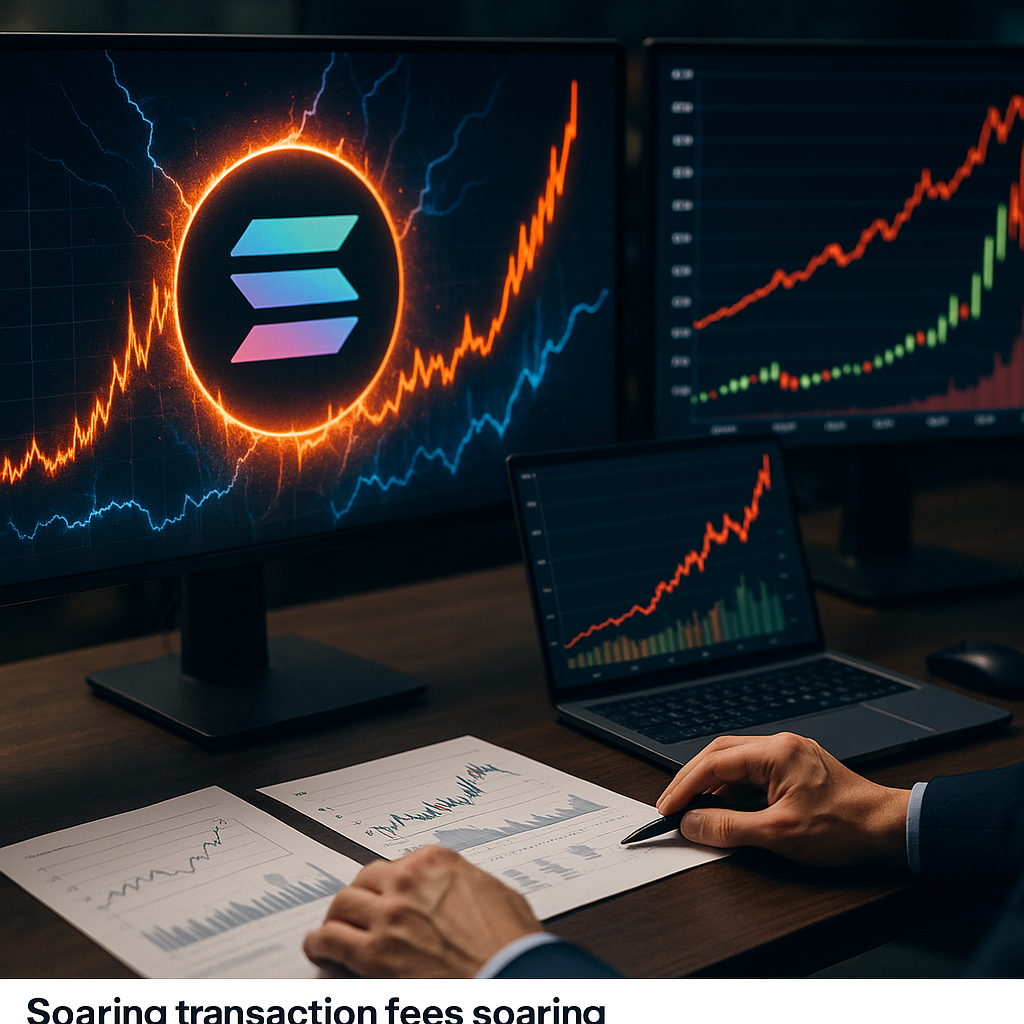
Transaction fees reaching unprecedented heights indicate heightened activity but also stress within the ecosystem. As it stands, Solana’s average cost per transaction has climbed above previous benchmarks—a stark contrast from earlier this year when network congestion led to relatively lower fees.
For context, prior fee levels hovered around $0.03-$0.05 per transaction earlier this summer (as evidenced by on-chain data), whereas today’s figures soar above $0.25—a significant leap indicative of users either panic-buying or trying to secure their place amid uncertainty.
As the community processes this change, there’s potential for divergence: those who adapt may thrive while others will struggle amidst increasing operational costs and user base shifts.

Where Do Prices Go Next?
Our read suggests that Solana’s current price at $103 is under pressure due to these fee hikes and inflation adjustments (it’s down about 0.5% over the last 24 hours). Given this landscape, we’d be surprised if SOL doesn’t find support in the $90-$100 range over coming weeks if users take heed of rising fees and slow network responsiveness.
The setup argues for potential volatility ahead—if adopters shy away or seek alternatives as they adjust budgets for higher transaction costs, support levels could be at risk. However, if there’s resilience among core participants willing to stay despite rising prices, we might observe stabilization after exploring lower ranges.
What To Watch Next
- User Response: How quickly will users adapt? Will high fees lead to drops in transactions or stimulate innovation?
- Validator Behavior: Monitor whether more validators exit or pivot towards optimizing existing operations rather than competing fiercely for token rewards.
- Ecosystem Developments: Keep an eye out for emerging protocols that use lower-cost chains—are they gaining traction?
- Any notable changes in wallet addresses or large holder behavior could provide insight into market sentiment shifts.
- Mainstream Adoption: With rising prices comes scrutiny; observe institutional interest—will they step back given increased operating pressures?
If it Were My Money
If we were positioned within SOL holdings right now amid these tumultuous waters, we’d frame our risk/reward assessment carefully. A breakdown below $90 would likely push us closer towards reevaluating our stance entirely—this could signal underlying systemic issues beyond just fee structures if sustained long-term.
A clearer picture would emerge if user engagement trends retain robustness or even grow amidst these shifts; seeing active wallets increase despite fees would bolster confidence moving forward.
Frequently Asked Questions
How have Solana’s fees changed recently?
Recently, Solana’s average transaction fees surged above $0.25 from previous averages around $0.03-$0.05.
What does this mean for Solana validators?
‘Validators will earn less due to reduced token supply from inflation cuts while still facing rising operational pressures.’
Will high fees impact user engagement?
Absolutely! Ongoing adjustments may lead users toward alternatives if costs remain prohibitive.
What’s next for SOL pricing?
SOL is currently at $103; maintaining support depends largely on user adaptability amidst evolving fee landscapes.
⚠️ Not Financial Advice: Everything above — including any price outlooks, scenarios, or forecasts. is independent research, analysis, and opinion. It is not investment, legal, or tax advice. Crypto assets are volatile and you can lose your entire investment. Always do your own research and consult a licensed professional before making financial decisions.
Related Coverage
📚 Sources & References
All primary sources linked so you can verify every claim. This article is not financial advice.
Disclosure: This article is market analysis and reporting, not financial advice. Cryptocurrency markets are volatile and you can lose money. Do your own research and consult a qualified financial professional before making investment decisions. Catatonic Times does not hold undisclosed positions in assets covered on the day of publication.