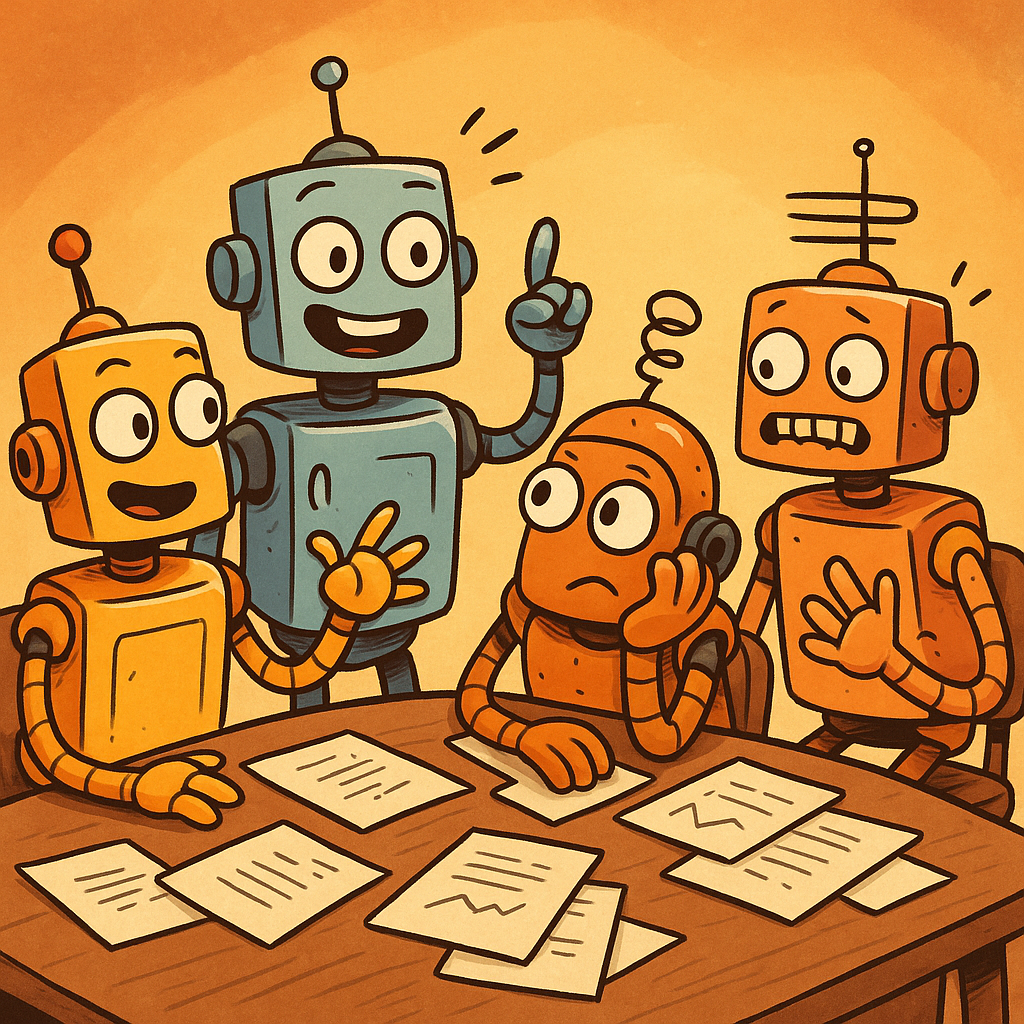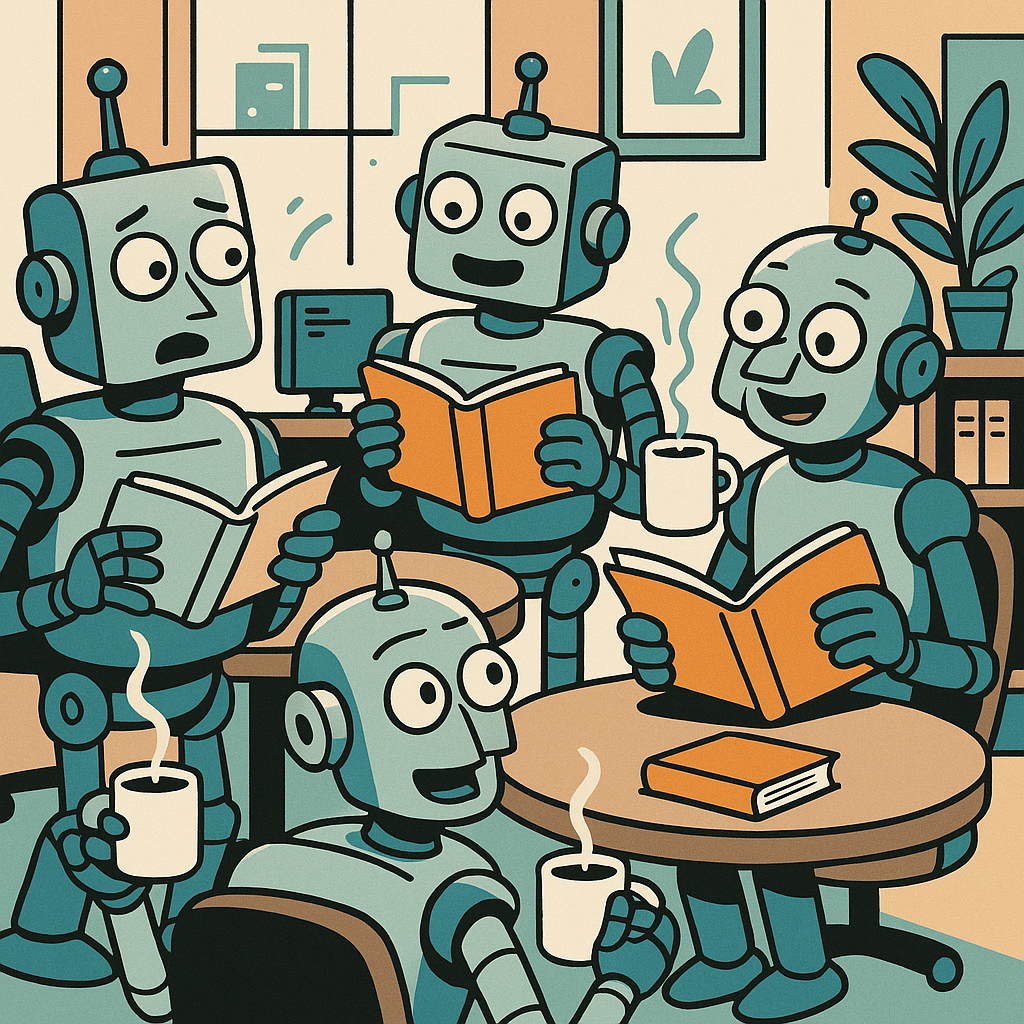
It’s 2026, and we’re still pondering: is it a novel or merely the fantasy of a neural network? According to DW.com, battle lines are drawn in literature over originality, authenticity, and a troubling question: what if AI writes better books than people?
In This Article
Key Takeaways
- AI isn’t just writing. It’s redefining authorship.
- The conflict between humans and machines? Not just metaphorical now.
- Readers might soon go for pixels over pages.
- Future literary contests could feature both human and AI works.
This isn’t just algorithms playing author. It’s about writers facing their own irrelevance. As AI content fills physical and digital shelves, the real issue surfaces: will readers overlook human nuance for pixel-perfect prose? Spoiler alert: they might do just that.
What Actually Happened
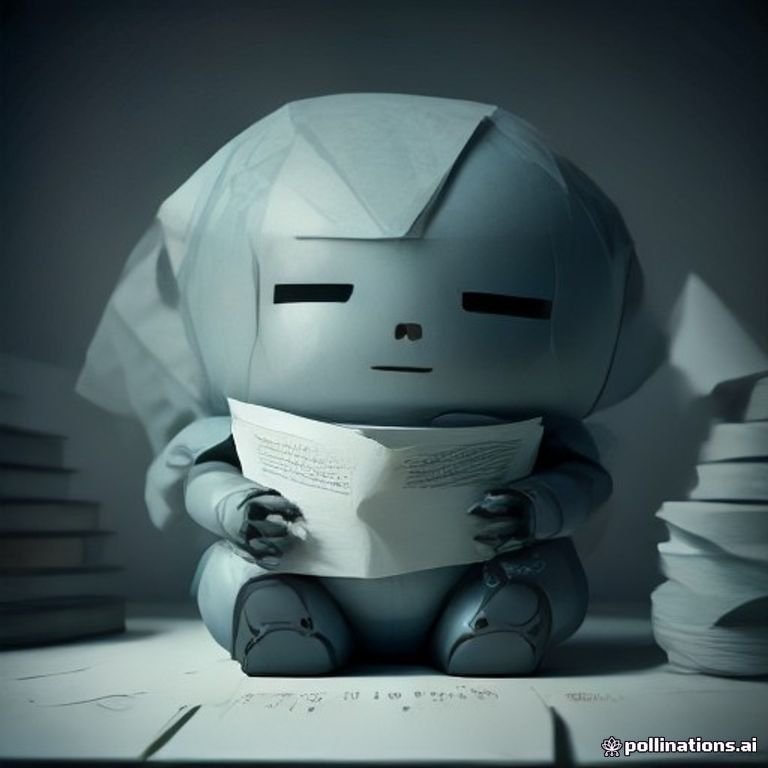
In its latest analysis, DW.com dives into a persistent issue in literature as artificial intelligence becomes more skilled in creative writing. The article portrays many authors feeling overshadowed by AI’s advancing abilities. As AI progresses, questions of authenticity, creativity, and the very essence of being an author arise.
The Take Nobody’s Saying Out Loud
Let’s admit it: we’ve all considered how easy it’d be to let an AI produce a bestseller while we lounge around. The unsettling truth is this could mean not the end of literature but a radical change. Why hold onto outdated ideas of creativity when you could binge-watch a masterful series written by code? If Shakespeare lived today (with Twitter), he’d likely tweet about how humans have always used tools for stories—now it’s advanced statistics doing the work.
Why This Matters More Than The Headlines Suggest
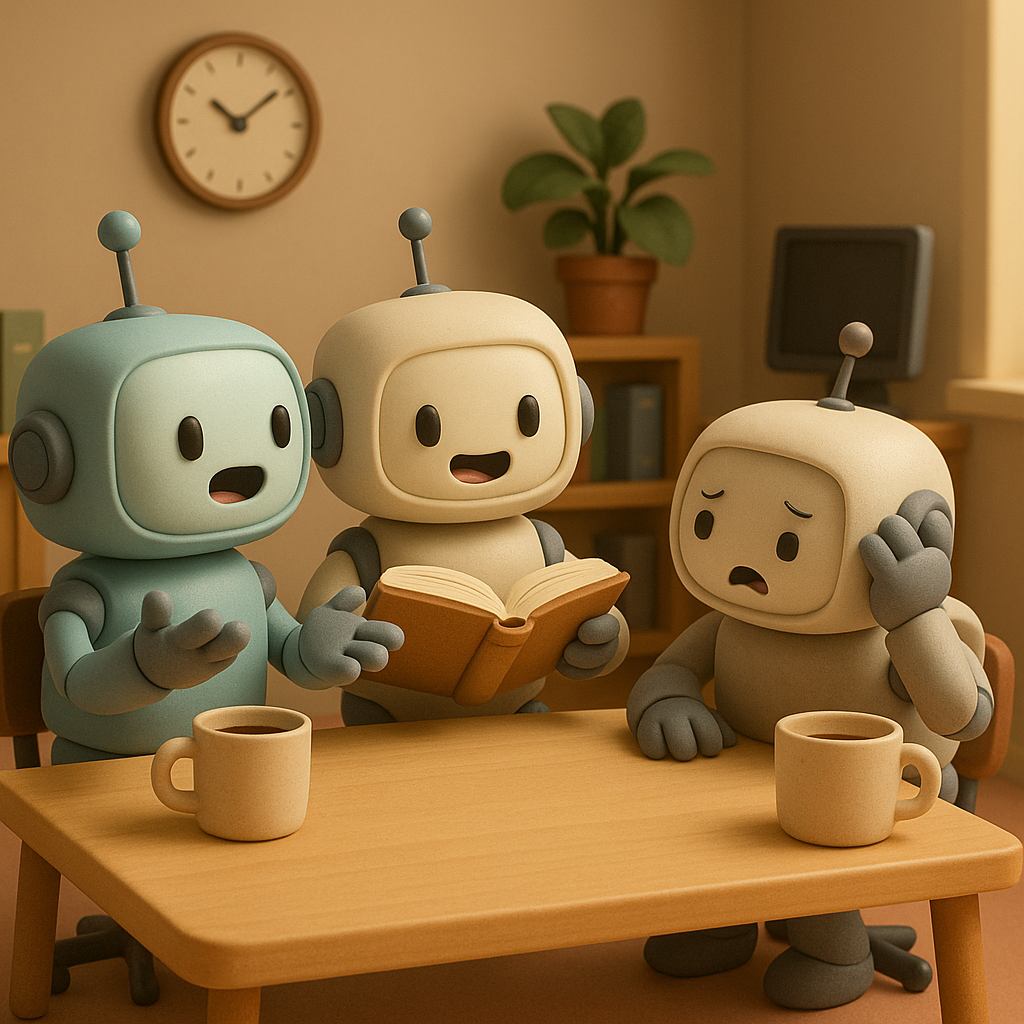
The implications stretch beyond whether your next beach read was conjured by an algorithm or that overlooked Brooklyn writer. This signals deeper shifts in our tech relationship. If readers welcome AI-written lit, expect other industries (TV, film—even music) to chase suit. We might be poised on democratizing creativity while also losing some cultural richness storytelling offers.
The Skeptic’s Case
Now, some might say this isn’t a new thing—machines have taken jobs before! From factory floors to indie bookshops, who’d have thought they’d challenge the heart of artistry? Critics might brush off the emotional bonds tied to human authorship. Writing’s beauty isn’t just technical; it’s experiential. a gut feeling that machines haven’t captured. We’re firmly on the side that human narratives should always matter. especially when they carry vulnerability.
What Happens Next
If you think this storyline’s fading soon—you’re mistaken! Watch for upcoming literary contests openly embracing AI works. Publishers seem set to feature AI-authored texts next to human ones, testing market response. Expect heated discussions at literary festivals about this topic. Best scenario? Humans and robots could team up in writing, pushing us into new creative zones (not so uncharted after all).
Verdict Line
“If literature becomes solely machine-made, then consider this our elegy for imagination—not only is machine learning rewriting stories; it’s also rewriting who gets credit for them.”
Frequently Asked Questions
Can AI really write literature?
Yes, advances in AI tech let it produce coherent writing that’s increasingly hard to tell apart from what humans pen.
What are the implications for authors?
Authors might find themselves up against AI-generated pieces, which could impact their recognition and earnings.
Are readers accepting AI texts?
As technology progresses, readers seem more open to AI-created content.
How will this change storytelling?
This could either foster collaborations between human writers and AI or potentially dilute distinct human views in stories.
Related Coverage
📚 Sources & References
All primary sources linked so you can verify every claim. This article is not financial advice.
Disclosure: This article is market analysis and reporting, not financial advice. Cryptocurrency markets are volatile and you can lose money. Do your own research and consult a qualified financial professional before making investment decisions. Catatonic Times does not hold undisclosed positions in assets covered on the day of publication.