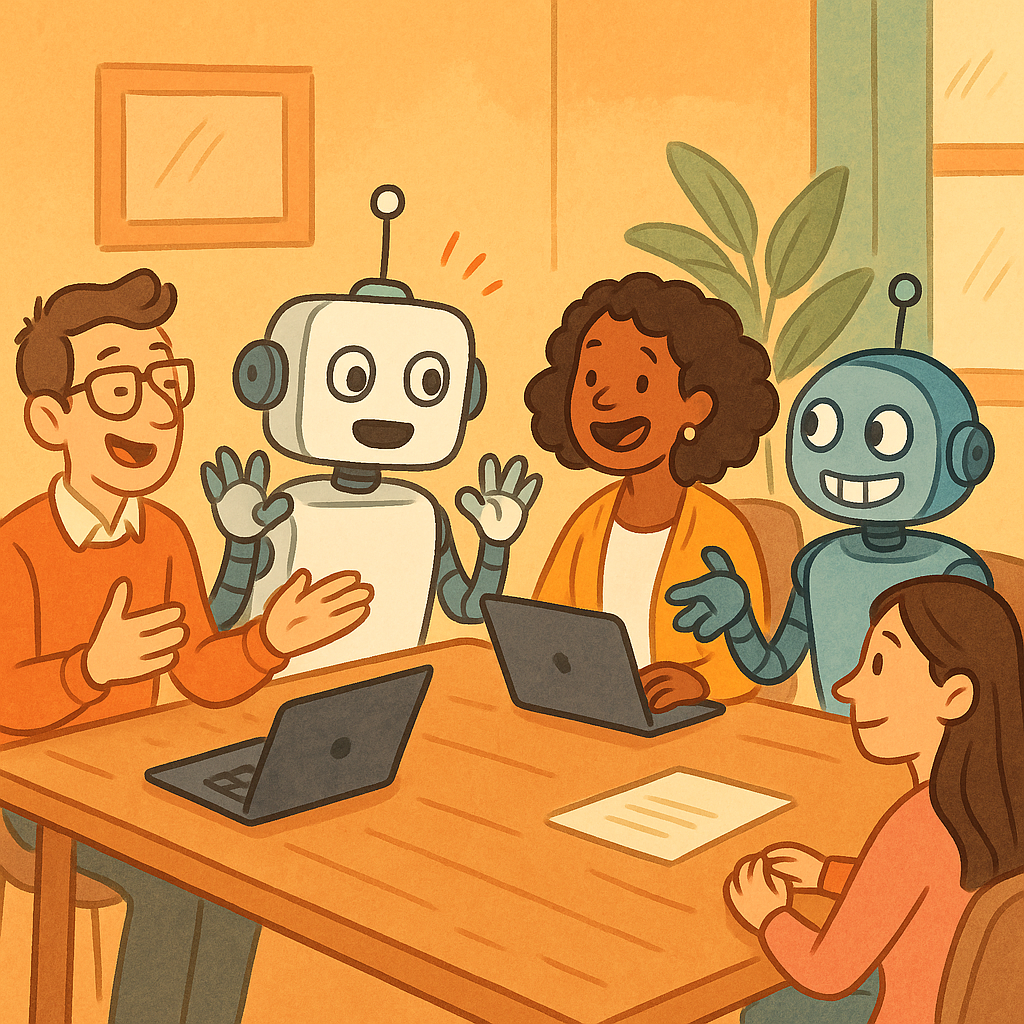
Can AI really untangle the bureaucratic maze of building regulations across 119 cities? According to World Bank Blogs, it can—and that’s both groundbreaking and slightly terrifying. On the surface, this might sound like more PR fluff celebrating AI’s ‘superpowers,’ but let’s be honest: can we trust algorithms with our cities’ green future?
In This Article
Key Takeaways
- Can AI truly handle reading complex building codes without missing any critical details?
- This initiative raises concerns about just how much we’re willing to rely on tech over human expertise.
- Relying on algorithms could lead to hasty decisions that harm community welfare.
- Sustainable solutions must balance human values with efficiency.
The World Bank’s latest experiment is a bold one, showcasing how AI was deployed to interpret complex regulations aimed at creating greener structures. Sure, the technology might make for snazzy headlines. But are we really prepared to entrust such an important task to mere code? The uneasy truth is, while it sounds progressive to use artificial intelligence in urban planning, executing it isn’t straightforward—complications abound that few are eager to tackle.
What Actually Happened
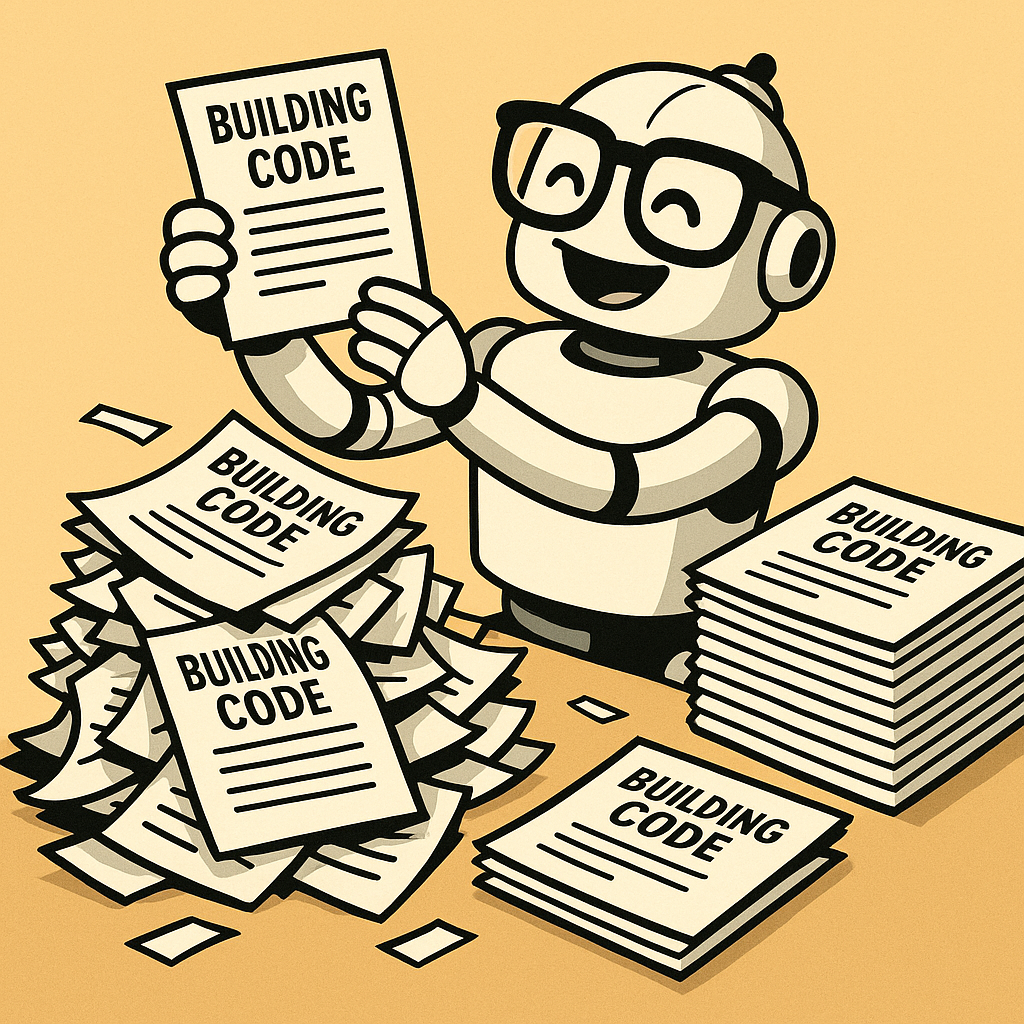
The World Bank has put AI to work analyzing regulations for greener buildings in an impressive 119 cities. By utilizing machine learning algorithms, they sought to streamline understanding of diverse local building codes, which are often tangled and inconsistent. The initiative isn’t just about enhancing compliance with environmental standards; it’s also aimed at expediting green-building projects. Amid increasing climate challenges and the urgent need for sustainable construction practices, this method attempts a much-needed efficiency drive.
The Take Nobody’s Saying Out Loud
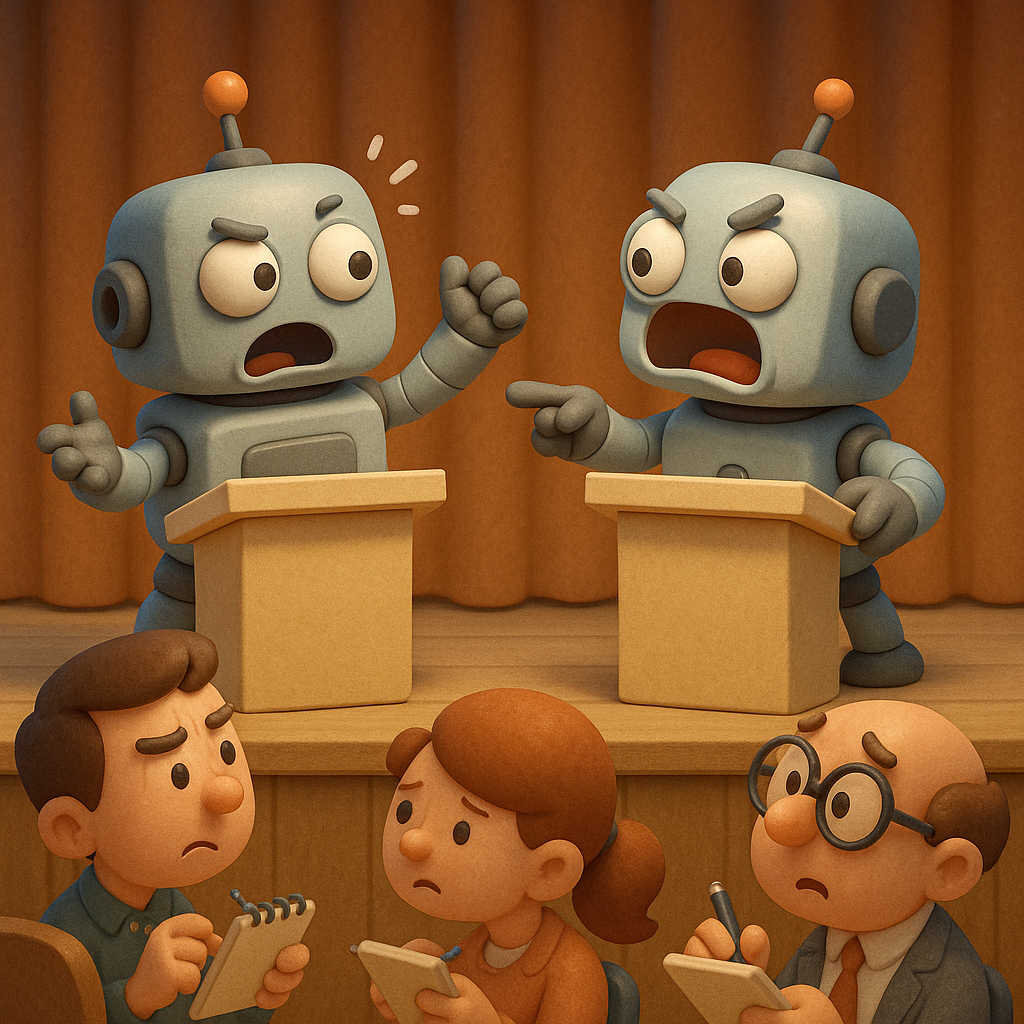
Let’s face it: trusting AI with reading—or interpreting. building codes could be a huge mistake. Sure, the tech seems promising on paper. But what happens when an algorithm misreads critical nuances because it was trained on outdated or biased data? The risk isn’t just regulatory chaos; it’s endangering entire communities’ health and safety. We’re facing a dilemma where high-tech solutions could lead to low-tech problems if this ‘solution’ isn’t as foolproof as advertised.

Why This Matters More Than The Headlines Suggest
This experiment highlights unsettling truths about our faith in technology. Relying on AI for such crucial tasks isn’t just convenient; it signals a preference for automation over human oversight in key areas like urban development. As cities grapple with climate change, hurriedly implementing technological fixes may pave the way for bigger failures later. While aiming for greener buildings through smarter tech is commendable, let’s ensure our reliance on machines doesn’t overshadow essential human judgment.
The Skeptic’s Case
On one hand, skeptics rightly question whether algorithms can replace nuanced human understanding of local contexts and cultural specifics embedded in building codes. Romanticizing efficient processes without their implications? Easy. What if this pushes us toward outcomes that lack sensitivity to community needs? And there’s a concern about accountability—if an AI messes up health or safety standards, who takes the blame?
We lean toward caution—not all progress shines bright. While using AI might lighten workloads for urban planners (and maybe save some cash), we must not forget what makes cities humane: genuine human input stamped with empathy and local knowledge.
What Happens Next
Keep your eyes peeled for how urban planners shift their methods after this initiative. Will cities leap into fully automated systems without checking if they work well first? When do we see firm metrics proving whether this algorithm-driven approach really improves results versus just speeding up current processes? These questions will shape how technology and sustainability merge in architectural practices.
For those pondering ahead: Are city planners set to revamp their operations driven by this tech vision? Or will they wrestle with the old adage that sometimes less is more?

A Bold Verdict
If we’re not careful about letting algorithms dictate our architectural futures, we might end up stuck between greener facades and harsher realities—a shiny exterior hiding deeper cracks in our urban landscapes.
Frequently Asked Questions
How did AI help analyze building codes?
AI was used by the World Bank to interpret dense regulations across different cities.
What are the potential risks of using AI for building regulations?
AI misinformation or misinterpretation could lead to unsafe building practices, threatening public health.
Which organizations are involved in improving greener buildings?
The World Bank leads efforts using AI focused on sustainable urban development.
How many cities were included in the World Bank’s study?
The study covered 119 cities worldwide—an impressive reach.
Is relying on AI for regulatory tasks beneficial?
While it offers efficiency, there’s fear it overshadows human insight essential for community-focused planning.
Related Coverage
📚 Sources & References
All primary sources linked so you can verify every claim. This article is not financial advice.
Disclosure: This article is market analysis and reporting, not financial advice. Cryptocurrency markets are volatile and you can lose money. Do your own research and consult a qualified financial professional before making investment decisions. Catatonic Times does not hold undisclosed positions in assets covered on the day of publication.