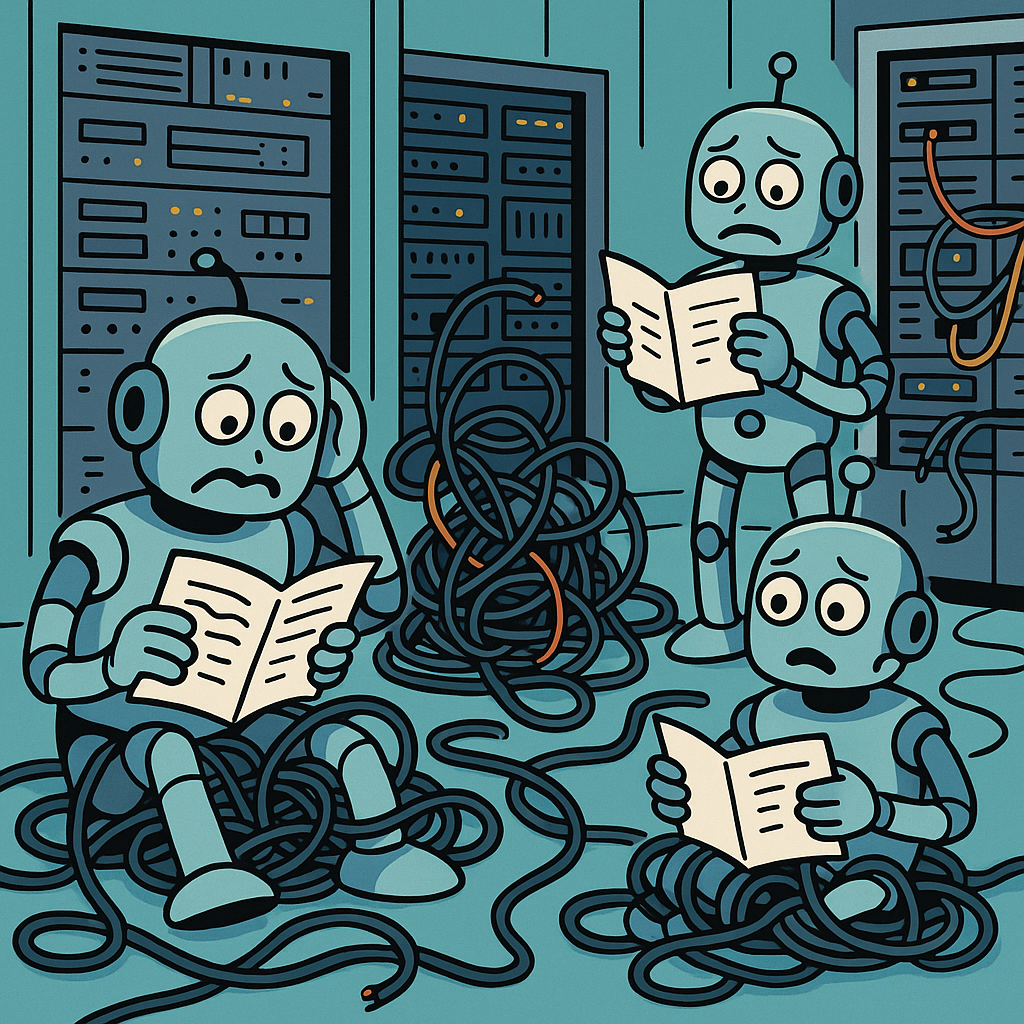
Today, the Trump administration rolled out a flashy AI tool aimed at guiding Americans through government websites. But if you think this is the ultimate solution to bureaucratic headaches, think again. It might not solve all the red tape confusion as promised.
In This Article
Key Takeaways
- A shiny AI tool won’t magically erase systemic governmental issues.
- Relying on tech without transparency could reduce citizen engagement.
- Making systems ‘accessible’ requires more than just tech enhancements.
- User feedback will be key in seeing if this initiative succeeds or fails.
According to fox43.com, this effort is pitched as a groundbreaking way to bring crucial information closer to citizens. Yet, we must ask ourselves—should we really trust an AI initiative from an administration known for its rocky stance on facts and openness?
What Actually Happened
The Trump administration has introduced an AI tool meant to simplify the convoluted journey of using government websites. Details are thin, and while the goals—like improving access and user experience. sound admirable, it’s fair to question the real impact here. Given past concerns about data privacy and ethics in AI, how much will this tool help versus act as mere window dressing for ongoing inefficiencies?
The Take Nobody’s Saying Out Loud
Here’s the difficult truth: rolling out an AI tool doesn’t automatically make complex bureaucracy easy to use. Remember when technology was supposed to transform education? Now we’re dealing with online classes and Zoom exhaustion. The core issue remains that while AI can boost some features, it doesn’t fix fundamental operational flaws—nor does it tackle obstacles facing those who lack tech access or digital skills.
Why This Matters More Than The Headlines Suggest
This launch shows not just a nod towards tech in public service but also highlights deep-seated concerns about trust in government processes. As the Trump administration moves toward AI solutions, it plays into a broader reliance on tech over people-focused methods. This could end up distancing citizens already wary of their government’s competence and motives. What’s at stake here? Governments might lean too heavily on technology as a substitute for genuine accountability or improvements in public services.
The Skeptic’s Case
On the flip side, some might say that any effort to modernize citizen-government interaction isn’t bad—even if political motives or PR spins drive it. They may claim that even imperfect technology can somewhat improve efficiency and communication between agencies and citizens. Skepticism remains. we’re unconvinced. Tech without oversight often worsens existing issues instead of solving them. it might even make inequalities worse.
What Happens Next
As for what’s next, it’ll be interesting to see how citizens use this tool—and if it actually enhances their experience or just adds a glossy cover to outdated processes. User feedback will be key. If people end up more confused, critics might start picking its flaws apart quickly. Watch for discussions on data use and privacy as this tool gets implemented.
What we’re looking at is a typical case of style over substance—a snazzy gadget posing as significant change while ignoring crucial issues.

Verdict: Flashy tools shouldn’t deceive you; real government reform takes more than sleek interfaces.
Frequently Asked Questions
What is the purpose of Trump’s new AI tool?
The AI tool aims to help Americans better handle confusing government websites.
How effective are AI tools in improving accessibility?
While they can enhance user experience, they often fail to tackle underlying bureaucratic problems.
Why might some people be skeptical about this initiative?
Critics may worry that relying on technology can hide deeper issues within government processes.
What should users watch for with this new tool?
Feedback on usability and effectiveness will reveal its real benefits versus limits.
Related Coverage
📚 Sources & References
All primary sources linked so you can verify every claim. This article is not financial advice.
Disclosure: This article is market analysis and reporting, not financial advice. Cryptocurrency markets are volatile and you can lose money. Do your own research and consult a qualified financial professional before making investment decisions. Catatonic Times does not hold undisclosed positions in assets covered on the day of publication.