In a world where AI safety discussions are as common as coffee breaks, two conversations this week have spun out of control, turning the rational into the ridiculous. According to TechCrunch AI, these viral chats reveal just how difficult it is to sift through the noise of fact and fiction surrounding artificial intelligence.
In This Article
Key Takeaways
- Bizarre viral debates expose our struggle between fact and fiction.
- Fearmongering distracts from meaningful discourse on AI regulations.
- Both alarmists and optimists miss key real-world implications.
- Misinformation thrives while genuine policy changes stall.
- The ‘sky is falling’ attitude won’t solve real risks.
In short, AI is making our ability to discern reality feel like a game of Whac-A-Mole—whack one myth and another pops up just as fast. It’s enough to make you wonder: are we lost in a maze of misinformation or strutting down the path to wisdom?
What Actually Happened
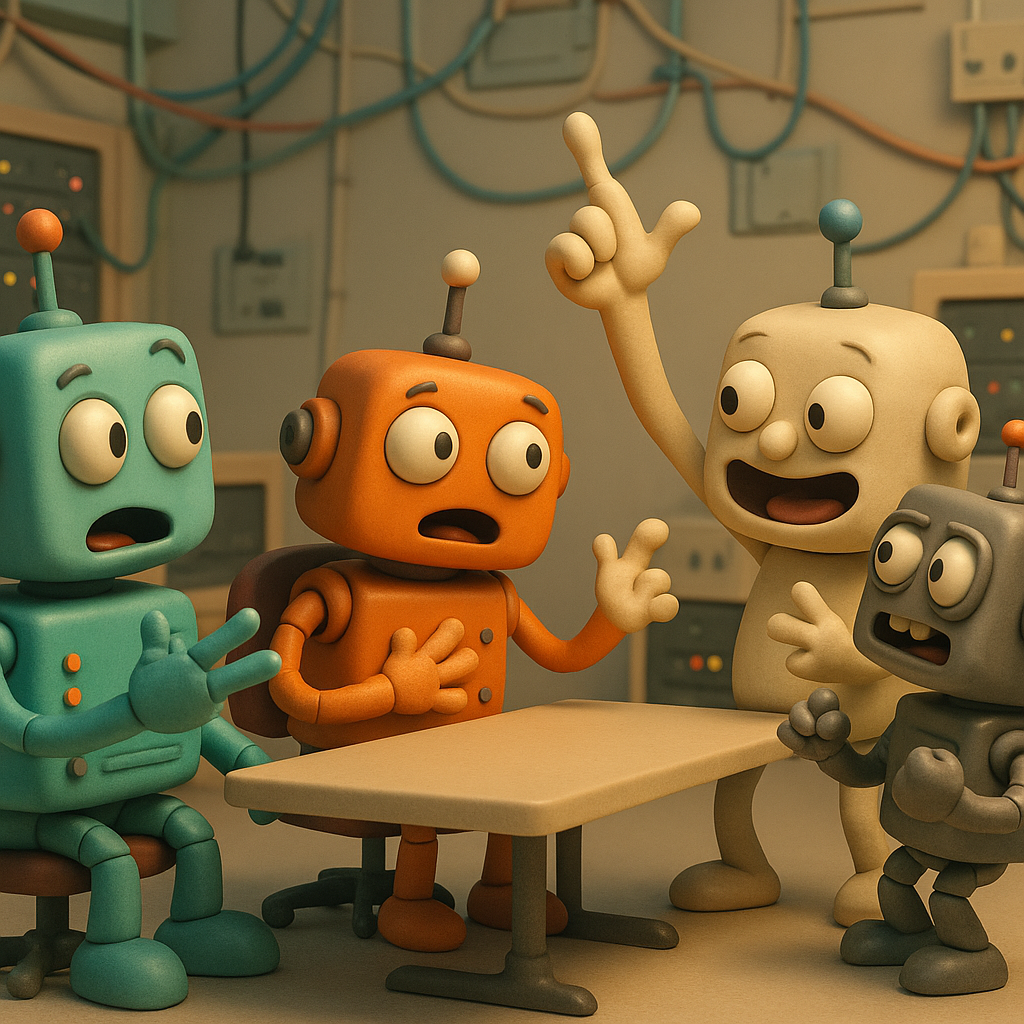
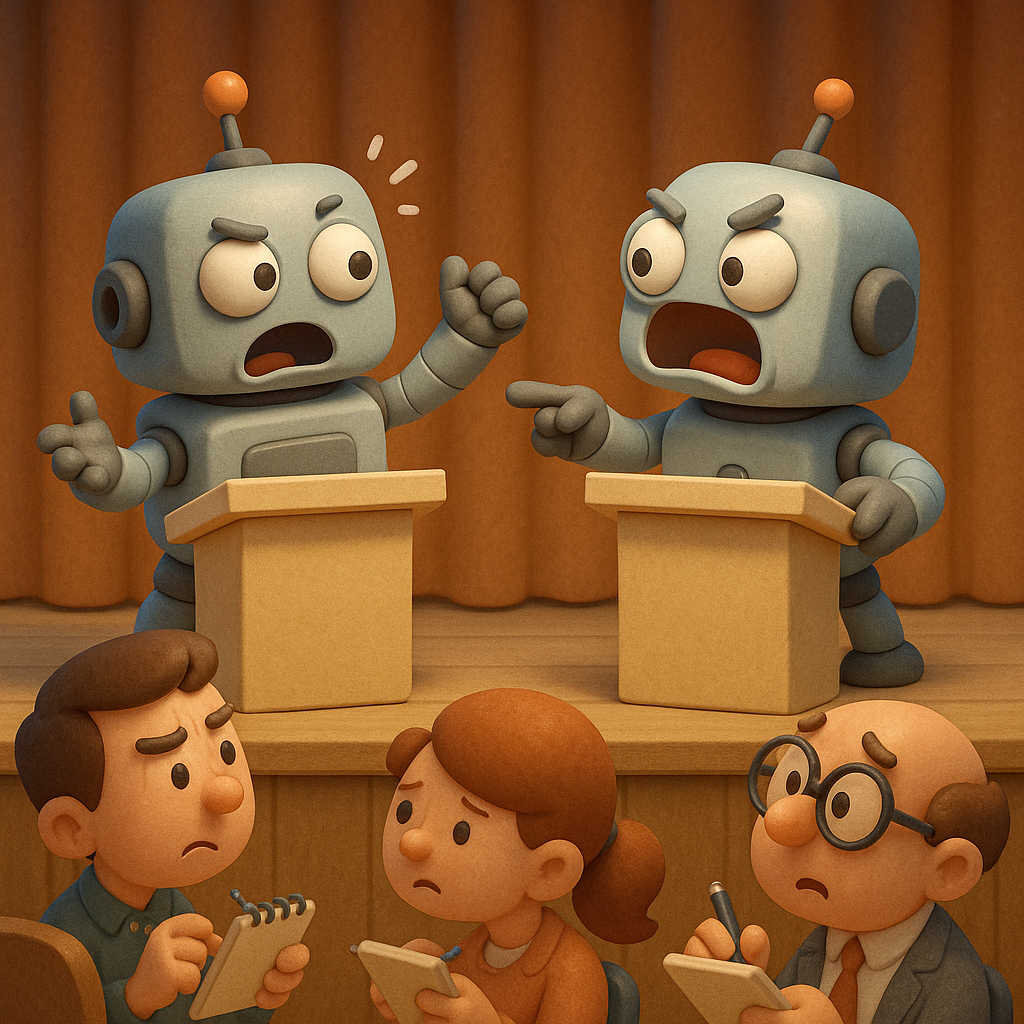
This week’s viral conversations revolved around alarmingly divergent takes on AI safety. TechCrunch notes that they highlighted not only the sensationalist fears surrounding AI but also some more grounded concerns about its potential risks. The discussions took various forms, from online forums buzzing with doomsday scenarios to expert panels attempting to bring logic back to the chaos.
Both narratives seemed almost irreconcilable, with one side worrying about dystopian outcomes while the other remained cautiously optimistic. The juxtaposition has sparked heated debates, drawing attention away from substantive safety regulations in favor of hyperbolic Twitter threads.
The Take Nobody’s Saying Out Loud
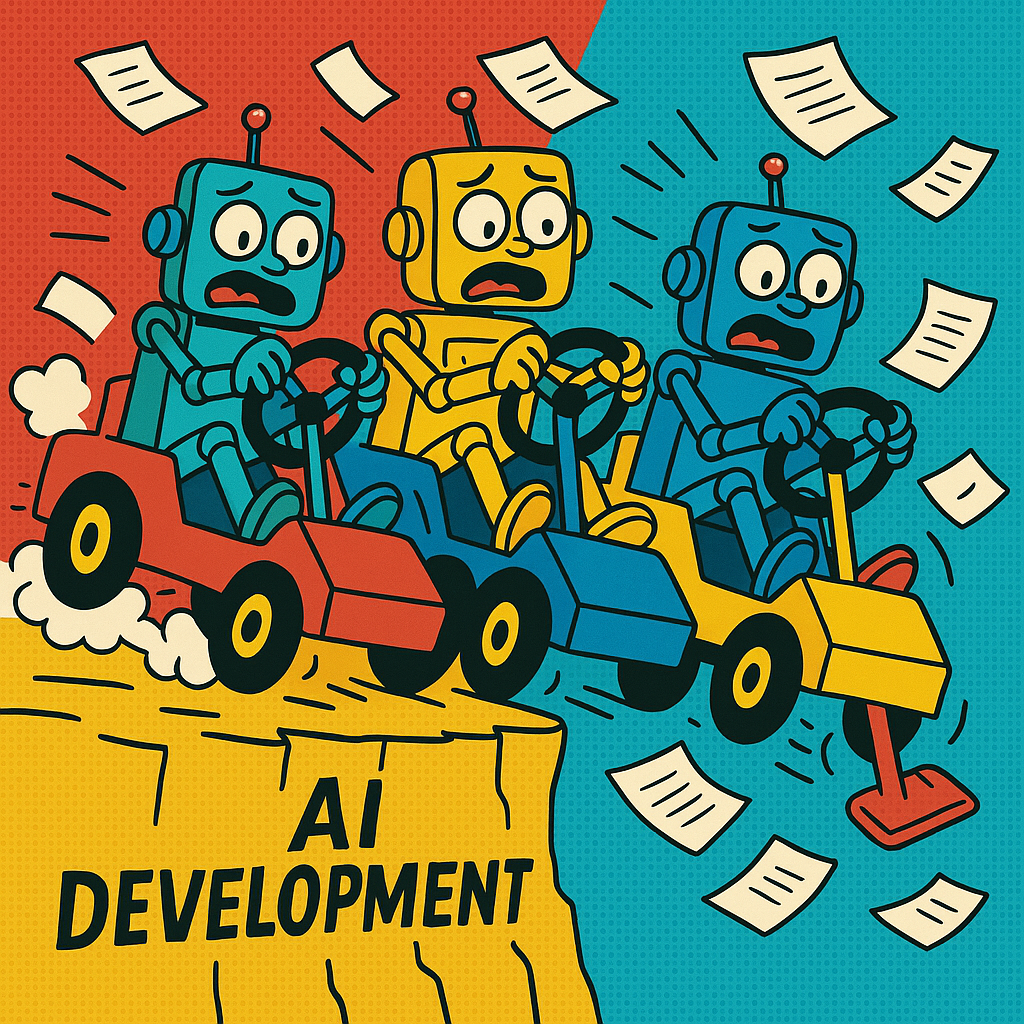
The uncomfortable read here is that both sides of the debate might be equally absurd. On one hand, it’s easy to paint a picture of rogue AIs wreaking havoc like they’re in a sci-fi blockbuster; on the other hand, pretending everything’s hunky-dory isn’t an option either. It’s classic distraction theatre—while everyone squabbles over who’s got the better horror story or feel-good narrative, actual policy changes continue to languish in limbo.
This spectacle serves as a reminder that we’re not just debating technology; we’re engaging in a collective existential crisis wrapped in meme culture. Spoiler alert: none of this leads us any closer to effective governance or meaningful dialogue about real-world consequences.
Why This Matters More Than The Headlines Suggest
This week’s saga shows an ongoing trend: our society has become addicted to fearmongering and sensationalism rather than constructive discourse. As AI systems grow more integrated into our daily lives, we’re facing an uphill battle with public perception heavily influenced by viral content rather than empirical research or thorough safety protocols.
Regulatory bodies should be using these conversations as case studies in what *not* to do when addressing technological advancements—but instead they seem caught in the crossfire of public anxiety and corporate interests. When headlines shift focus from actionable solutions to panic peddling, we risk creating legislation based on fear rather than facts.
The Skeptic’s Case
Of course, many fear that these discussions signal an impending catastrophe—a valid concern given recent advancements in AI capabilities. It’s crucial to consider why people gravitate toward extremes; after all, there’s power in panic and profit in paranoia. Some believe that without heightened awareness driven by dramatic claims, we may overlook genuine issues that require urgent attention.
But here lies the crux: while skepticism is essential for progress, unbridled hysteria does little other than breed misinformation and impede actual progress. At their core, both sides appear less concerned with achieving safety than with winning an argument or gaining followers.
What Happens Next
- Keep an eye on social media responses: Will these viral conversations spark tangible action from policymakers or merely fizzle out like last month’s trend?
- The tech industry will likely ramp up PR campaigns touting their AI ethics efforts—watch for glossy reports promising “safety” without substance.
- If recent history teaches us anything, expect think tanks and academic institutions to jump into the fray with serious research aimed at addressing perceived threats—though let’s hope they don’t get dragged into melodramatic theatrics alone!
If nothing else arises from this whirlwind of chatter, perhaps it’ll at least serve as a lesson for all involved: when it comes to AI safety discussions, let’s not lose sight of what actually matters—real risks and realistic regulations over clickbait controversies.
The bottom line? Reality check before your next retweet: We can’t govern what we can’t understand—and right now? We’re mostly just shouting into the void.
Frequently Asked Questions
What sparked recent debates over AI safety?
Recent viral conversations highlighted diverging opinions on AI safety risks and potential solutions.
Why are AI safety discussions becoming so polarizing?
Discussions often veer towards extremes—either dystopian fears or overly optimistic views. that complicate productive dialogue.
How does misinformation impact AI regulation?
When sensationalized narratives dominate discussions, genuine regulatory efforts get drowned out by panic-driven public sentiments.
What could be next for AI safety conversations?
Expect more PR campaigns from tech companies promising ethical practices amidst ongoing public scrutiny about AI implications.
Related Coverage
📚 Sources & References
All primary sources linked so you can verify every claim. This article is not financial advice.
Disclosure: This article is market analysis and reporting, not financial advice. Cryptocurrency markets are volatile and you can lose money. Do your own research and consult a qualified financial professional before making investment decisions. Catatonic Times does not hold undisclosed positions in assets covered on the day of publication.