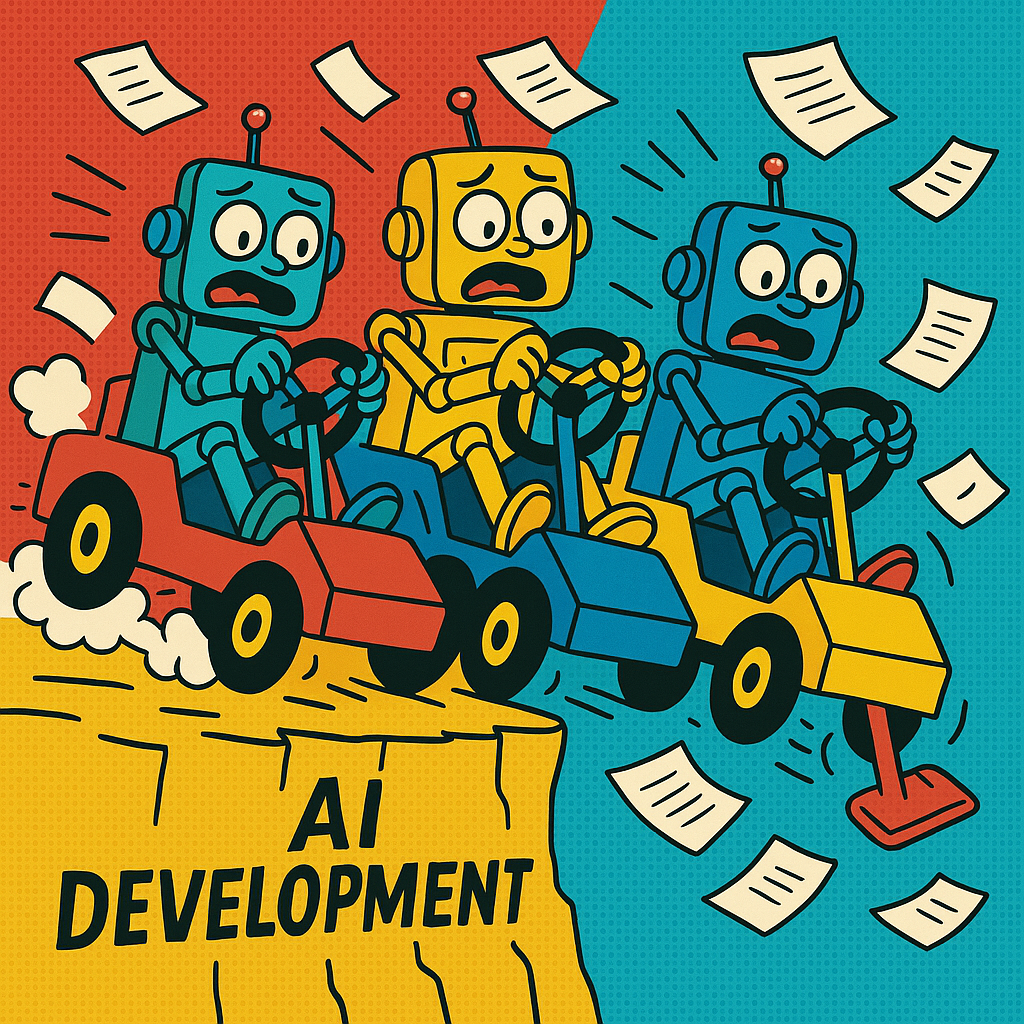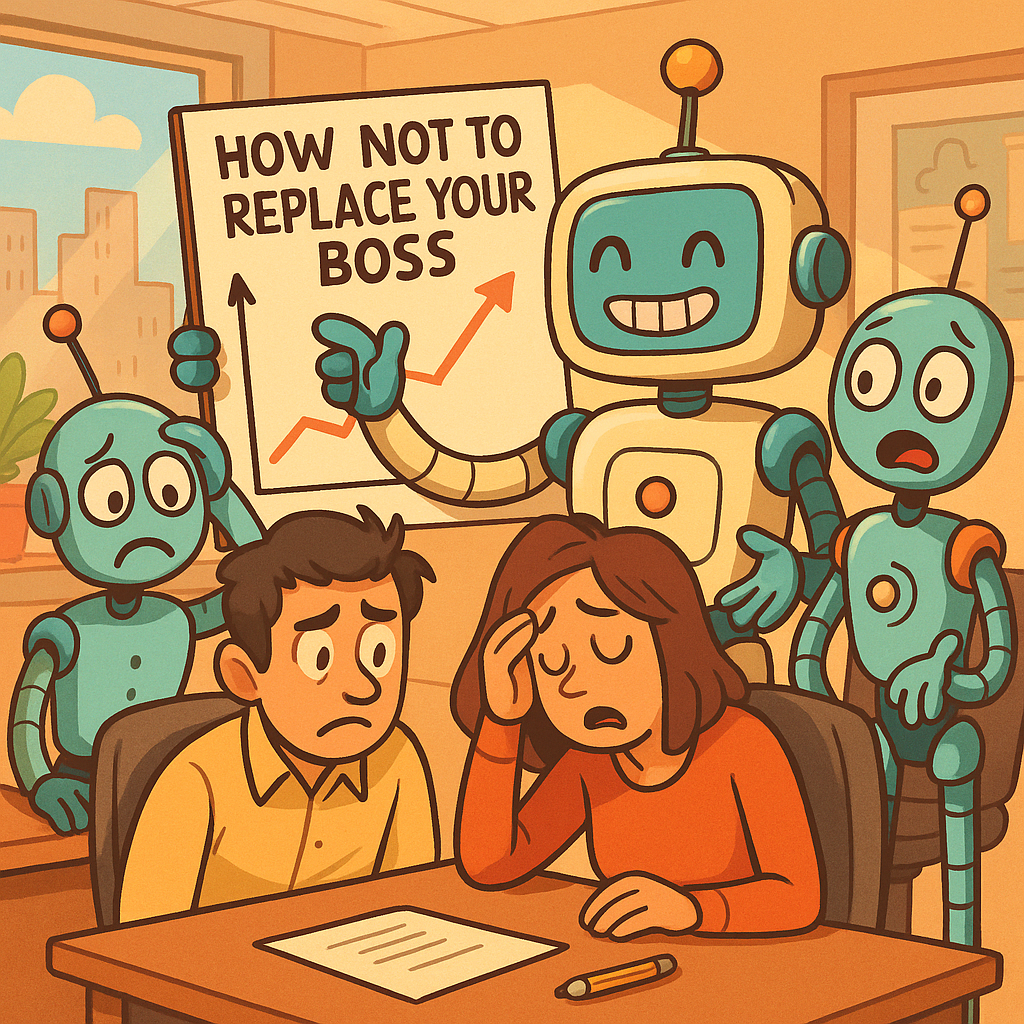
In a time when autonomous systems seem unchecked, AI risk discussions are finally moving towards focusing on people. According to Tech Policy Press, the core of this changing dialogue is about centering people in the AI risk conversation, and it’s long overdue. But wait—here’s the kicker: is this merely a scramble for relevance in an industry that struggles with its moral bearings?
In This Article
Key Takeaways
- Are companies truly prioritizing people, or just putting a shiny veneer on their PR strategies?
- The drive for human-centered design requires genuine effort—not mere lip service.
- Prioritizing tech over humanity is asking for disaster.
- Innovation must align with ethics—otherwise, it’s just smoke and mirrors.
- Accountability should be essential as we confront AI risks.
This perspective suggests previous discussions have marginalized real users—an awkward reality often overlooked in mainstream analyses. Critical questions arise: whose voices are we really amplifying? Or is this simply another PR stunt to distract from true accountability?
What Actually Happened
An article from Tech Policy Press highlights the urgent need to refocus AI risk talks on human impacts rather than abstract models. It claims that traditional narratives have mainly mirrored the tech sector’s viewpoint while overlooking those truly affected by AI technologies—namely everyday users and marginalized groups.
Another piece from Tech Policy Press titled We Need Google Trends for AI backs these arguments with data-driven insights into public views on AI risks. Together, they suggest a sort of reckoning—a call to engage with human-focused narratives instead of just numbers on a screen.
The Take Nobody’s Saying Out Loud
Let’s not kid ourselves: while centering people in the AI risk conversation is commendable, it reeks of performative activism if it isn’t coupled with solid action plans. The uncomfortable read here is that human-centric messaging tends to become little more than marketing fluff without genuine follow-through. The tech industry has perfected the art of ‘talking big’, only to deliver dinky, half-baked solutions when real change is required.
It’s easy to throw some buzzwords around: “equity,” “inclusivity,” and “transparency” tend to fly off the tongues of executives like confetti at a wedding. Yet how many companies are really prepared to grapple with their own biases, especially those embedded in their AI systems? The answer seems murky at best—and that’s a problem.
Why This Matters More Than The Headlines Suggest
This pivot towards recognizing human impacts signals an astounding shift within the AI landscape but doesn’t account for one critical thing: most organizations still lack solid frameworks for implementing these ideals meaningfully. Sure, they’re shouting about inclusion now, but without action, it becomes just another checkmark on an ever-expanding ethical checklist.
The implications here stretch beyond mere optics; they highlight systemic issues within the industry tied directly to power dynamics. If AI continues being deployed without substantial regulation or oversight focusing on real-world consequences for individuals, we’re essentially giving license for unchecked technological expansion at great societal cost. So yes, let’s talk about people—but let’s also hold corporations accountable for their role in shaping lives.
The Skeptic’s Case
On the flip side, one might argue that placing such emphasis on human factors could slow down innovation in technology that has great potential for efficiency and enhancement of daily life. There’s undoubtedly merit in creating predictive algorithms designed primarily for optimization and performance—but what happens when those systems inevitably clash with people’s lived experiences?
Skeptics would contend that focusing too much on individual voices dilutes progress unless balanced carefully against technological developments aimed at broader societal benefits. However, we land firmly on Team Humanity because history has shown us repeatedly what happens when profit trumps principle—tech gets weaponized against us!
What Happens Next
Keep your eyes peeled for how companies respond to this newfound pressure. Will they issue glossy reports stating intentions or actually create actionable strategies addressing concerns outlined? Look out for initiatives claiming to prioritize user experience over algorithmic efficiency—even if only temporarily. as they scramble to stay relevant amidst growing scrutiny.
And don’t forget regulatory movements! Governments worldwide are waking up slowly but surely about AI risks; fine-tuning legislation around data use and accountability is an anticipated trend worth monitoring closely—particularly as advocacy groups increase efforts urging stricter guidelines.

Verdict
The future of AI hinges not just on algorithms but also on the humanity behind them—and right now, that conversation could use less fluff and more backbone.
Frequently Asked Questions
What does ‘centering people’ mean in AI discussions?
Focusing on people means looking at how AI impacts individuals more than just efficiency or profits.
Why is it important to consider marginalized groups in AI risk?
Marginalized groups often face unfair fallout from tech failures; including their views helps develop fairer AI systems.
How can companies implement better accountability regarding AI risks?
Companies might use clear reporting, welcome user input in design, and follow firm ethical rules on data use.
Is centering people a new trend in tech policy?
Sure, recent pieces show rising attention to user impact importance among policymakers and developers.
Related Coverage
📚 Sources & References
- techpolicy.press: Who Is AI Risk For? Centering People in the AI Risk Conversation – Tech Policy Press
- techpolicy.press: We Need Google Trends for AI – Tech Policy Press
All primary sources linked so you can verify every claim. This article is not financial advice.
Disclosure: This article is market analysis and reporting, not financial advice. Cryptocurrency markets are volatile and you can lose money. Do your own research and consult a qualified financial professional before making investment decisions. Catatonic Times does not hold undisclosed positions in assets covered on the day of publication.