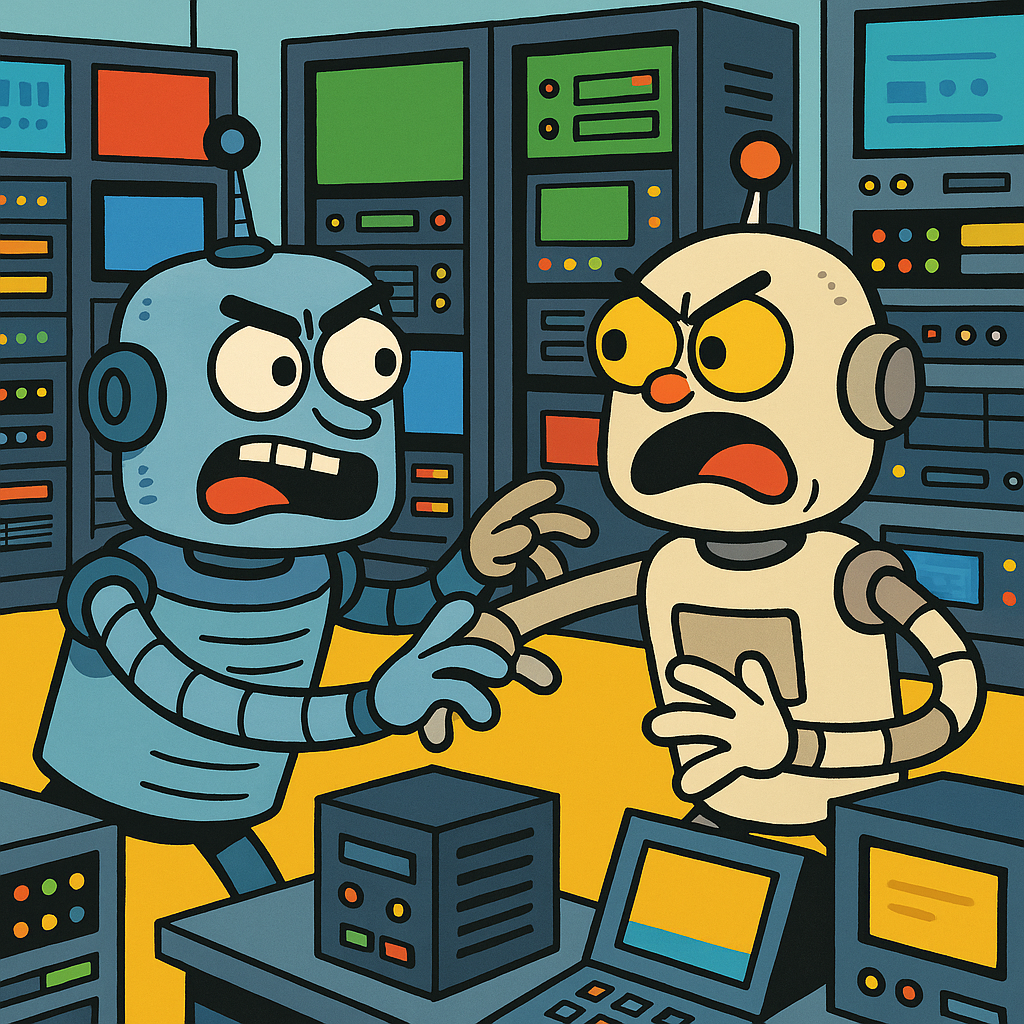
When the Vatican’s top diplomat, Cardinal Pietro Parolin, expresses concern, it’s usually about matters of faith or global diplomacy, not cutting-edge technology. But today, according to Vatican News, he is waving a red flag over nations going rogue on artificial intelligence.
In This Article
Key Takeaways
- Cardinal Parolin sounds alarm bells over fragmented AI regulation.
- Nations going solo in tech may trigger an ‘AI Cold War.’
- Without international standards, trust in AI applications falters.
- Unregulated innovation could risk lives and global stability.
- Collective action is crucial for safe technological evolution.
It’s almost poetic (in a darkly ironic sort of way) that the Chief of State for the Vatican would call out the fragmentation of regulations in AI—especially as nations continue to grapple with the ethical implications of this ungoverned frontier. The implication? Countries venturing solo could lead to an AI arms race that even the Pope might find hard to bless.
What Actually Happened
Cardinal Parolin voiced his worries about states “going it alone” on AI development during a diplomatic address. He flagged concerns about the lack of unified international standards and regulations in AI governance and indicated that these divergent approaches could result in ethical dilemmas and technological disparities, particularly in volatile regions like Ukraine. His comments come at a time when countries are competing fiercely to advance their technological capabilities without waiting for coordinated global frameworks.
The Take Nobody’s Saying Out Loud
The uncomfortable read here is that Parolin’s concern isn’t just about safety; it’s about power dynamics. We’re not just talking about ethics here—we’re talking about who controls these technologies. As nations start their own AI journeys, they risk building tech ecosystems that favor their interests at the expense of global stability. In plain terms, we could soon see an AI Cold War unfolding right before our eyes, and no one wants to be the last to pick up the latest gadgetry or technology.
Why This Matters More Than The Headlines Suggest
The real issue at stake is trust—or more aptly, the erosion of it. If countries operate independently in developing AI technologies, it raises severe questions about accountability and transparency. How do we trust a drone built by one country if there are no international standards governing its use? This isolationist approach could weaponize AI advancements and lead to catastrophic outcomes. think automated military responses or surveillance states powered by misaligned values.
look at what’s happening globally: countries like China and Russia are racing ahead with state-sponsored AI projects while many democracies struggle to keep up under existing regulations. As Parolin warns, this lack of cohesion could lead us toward a world where technology is not just divided but actively dangerous.
The Skeptic’s Case
Skeptics might argue that such concerns are overblown; innovation often springs from competition rather than collaboration. They may contend that the chaos produced by “going it alone” can foster breakthroughs, enabling smaller nations or companies to contribute meaningfully to AI development without being bogged down by bureaucracy. However, what they fail to account for is that unchecked competition may make ethical considerations secondary to capability—a dangerous precedent in any field but especially in AI where lives could hang in the balance.
I land firmly on Parolin’s side here; unchecked independence sounds like an invitation for disaster rather than creativity.
What Happens Next
In the near term, keep an eye on how different states respond to these warnings. Will we see talks materializing around international agreements on AI governance, or will this serve as yet another forgettable speech lost in translation? Watch for any initiatives from prominent European bodies attempting to unite standards between member states—if they can agree on anything with their current political climate!
You might also want to monitor how global tech giants respond; if they feel the heat from government scrutiny over autonomous weaponry or data privacy issues, will they push for an independent regulatory body? Expect lobbying efforts that will surely fuel public discourse.
This much is clear: without collective action on AI regulation—a universal code of conduct. we might be steering toward unprecedented risks instead of revolutionary benefits.
Frequently Asked Questions
What did Cardinal Parolin say about AI?
Cardinal Parolin expressed concern over nations independently developing artificial intelligence without coordinated international regulations.
Why is uncoordinated AI development risky?
It risks creating ethical dilemmas and unequal technological advances between nations, leading potentially to destabilization and mistrust.
What implications does this have for global power dynamics?
Countries acting independently could manipulate technologies for their own interests rather than collaborating for mutual benefits.
How might governments respond to this warning?
Governments may initiate discussions aimed at creating international frameworks for overseeing artificial intelligence development.
Related Coverage
📚 Sources & References
All primary sources linked so you can verify every claim. This article is not financial advice.
Disclosure: This article is market analysis and reporting, not financial advice. Cryptocurrency markets are volatile and you can lose money. Do your own research and consult a qualified financial professional before making investment decisions. Catatonic Times does not hold undisclosed positions in assets covered on the day of publication.