The University of Montana (UM) has just unveiled a career certificate program called ‘Human-Centered’ AI, claiming it’s a first in Montana. It might sound thrilling—who wouldn’t want to make AI more ‘human’? But we question if this is genuine progress or self-promotion. Are they truly trying to tame technology responsibly, or is this just another shiny distraction from deeper problems?
In This Article
Key Takeaways
- Montana’s first ‘Human-Centered’ AI career certificate is now on offer.
- Is ‘human-centered’ just fluff over genuine advancement?
- This may become yet another surface-level fix instead of solving ethical problems.
- Will companies see value in this new educational path or dismiss it as irrelevant?
- Universities must focus on substance, not buzzwords, in tech education.
According to UM, the program’s goal is to arm students with skills blending tech and human needs, with an accent on ethics and collaboration. Here’s the thing: Is this academia trying to catch up with fast-shifting job landscapes? Or perhaps they’re preemptively addressing looming automation threats to old-school careers?
What Actually Happened
On October 20, 2026, UM announced Montana’s inaugural ‘Human-Centered’ AI Career Certificate. This program claims to prepare students for integrating AI responsibly into society, focusing on ethics and collaborative design. It’s about academic pursuit but also reflects adapting to job markets increasingly shaped by AI trends.
The Take Nobody’s Saying Out Loud
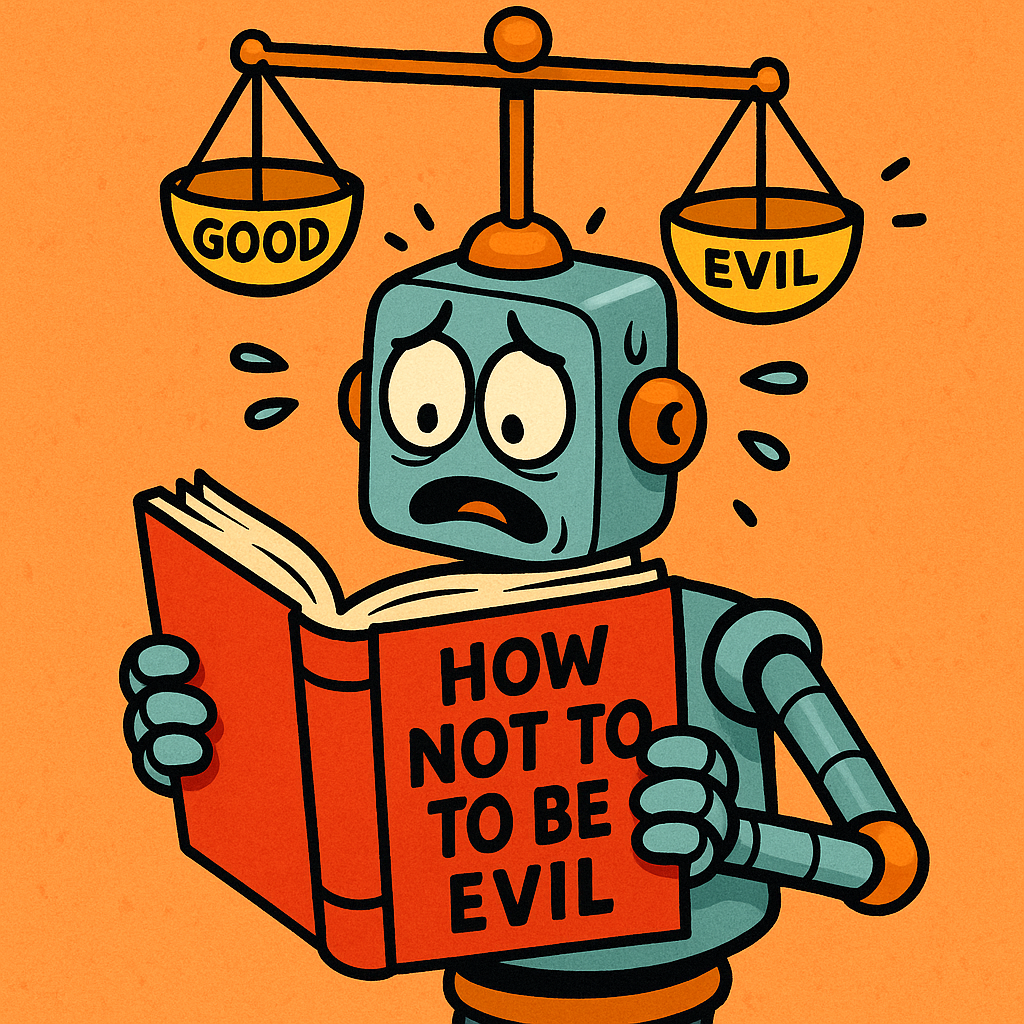
The uncomfortable takeaway is that this certificate might just be a superficial solution rather than tackling enduring systemic issues within AI. Just because it says ‘human-centered’ doesn’t make it groundbreaking—it’s like putting a trendy label on rehashed content meant for hip seminar rooms. Is this about educating future leaders or merely offering a veneer of ethical concern while business continues as usual?
Why This Matters More Than The Headlines Suggest
This effort signals an unsettling trend in the way educational institutions tackle AI training. They seem to focus on superficial solutions rather than challenging deeply-rooted power structures and accountability measures. Many are tempted to flaunt these programs as quick fixes while ignoring ethical concerns like bias, surveillance, and economic inequality heightened by AI technologies. If universities aim to contribute positively, they must prioritize teaching disruption of harmful practices—not just collaboration with them.
The Skeptic’s Case
Some critics might say any movement toward making technology more human is good; isn’t it better to talk ethics than stay silent? They’ll note that even minor improvements are something to celebrate when the alternative is unchecked technological growth without moral grounding. Yet, I argue another credential means little if it doesn’t challenge norms or offer true critical engagement.
What Happens Next
In the months ahead, we’ll keep an eye on UM’s enrollment stats and if industry partners see this certificate as real job prep. Look out for possibly rattled established companies who feel at risk from ethically trained grads eager to demand accountability from employers. As experts weigh in on such programs’ effectiveness and relevance, questions remain: Are these certificates genuinely valuable or just universities scrambling to stay pertinent?
One thing’s certain: universities can’t afford buzzwords alone anymore—real education needs meaningful content behind those words.


Frequently Asked Questions
What is the Human-Centered AI Career Certificate?
UM’s program is about preparing students for roles that use artificial intelligence responsibly.
When was the certificate announced?
The University of Montana announced the certificate on October 20, 2026.
Why is this initiative significant?
It’s an attempt by universities to meet growing demands for ethical tech considerations amid fast-paced AI developments.
Are other universities offering similar programs?
Though many tech programs exist nationwide, UM’s focus on ‘human-centered’ methods sets it apart in Montana.
What are some challenges facing human-centered AI education?
Main challenges include keeping curriculum relevant and effectively tackling ethical concerns.
Related Coverage
📚 Sources & References
All primary sources linked so you can verify every claim. This article is not financial advice.
Disclosure: This article is market analysis and reporting, not financial advice. Cryptocurrency markets are volatile and you can lose money. Do your own research and consult a qualified financial professional before making investment decisions. Catatonic Times does not hold undisclosed positions in assets covered on the day of publication.