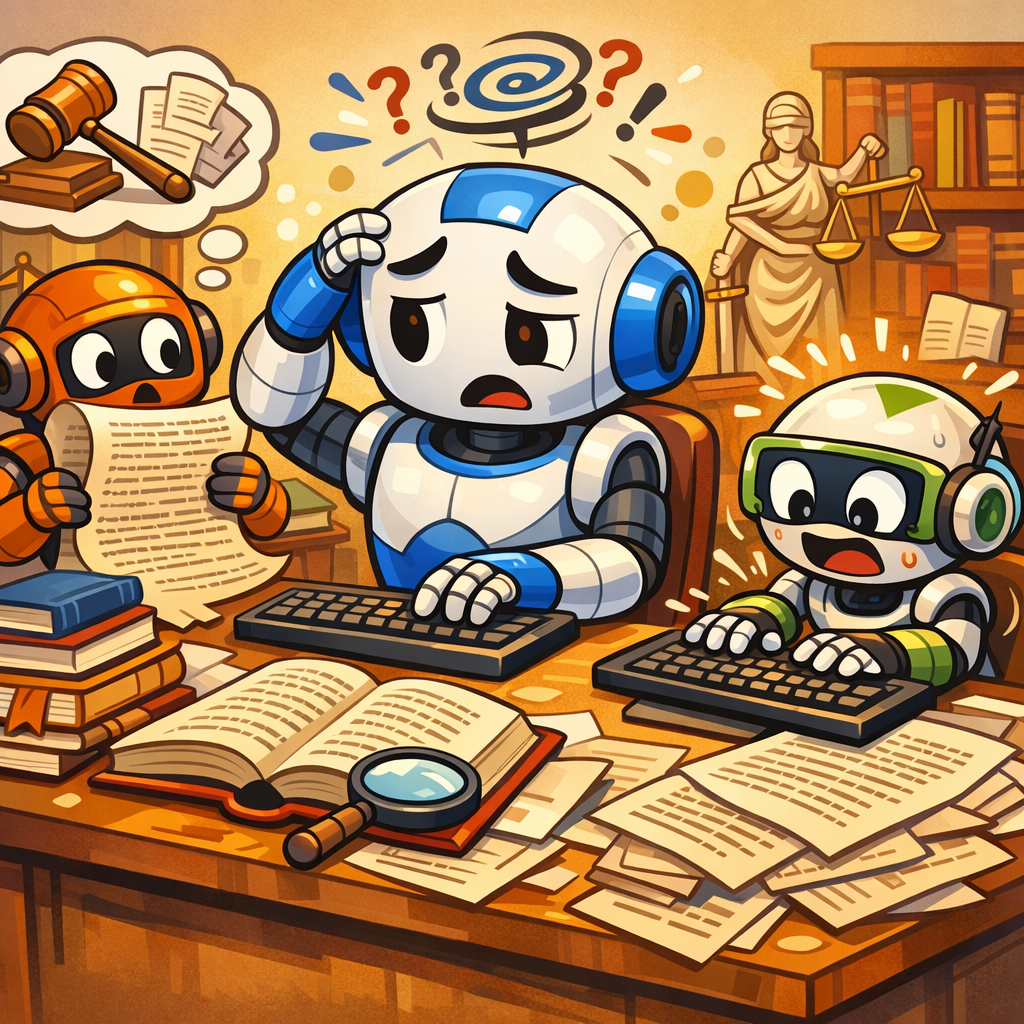
As the sun casts long shadows over corporate towers, AI isn’t some distant murmur at board meetings—it’s a mandatory guest at banker and lawyer dinners. JD Supra notes both sectors are picking up AI and document automation software to streamline operations. Hold your cheers! This trend’s about more than just efficiency; it hints at something deeper beneath the surface.
In This Article
Key Takeaways
- Banks and law firms are wielding AI to slash costs but risk cutting jobs, too.
- Trusting human oversight gets dicey as automated systems take over.
- Expect regulators to pay more attention as AI steps into traditional roles.
- Ethics must steer AI’s implementation in these sensitive fields.
Before spilling our thoughts, let’s set the scene: this ain’t a fairy tale where magical tech resolves everything. It’s a technological embrace challenging old-school roles and accountability—ready or not, these fields face transformative shifts.
What Actually Happened
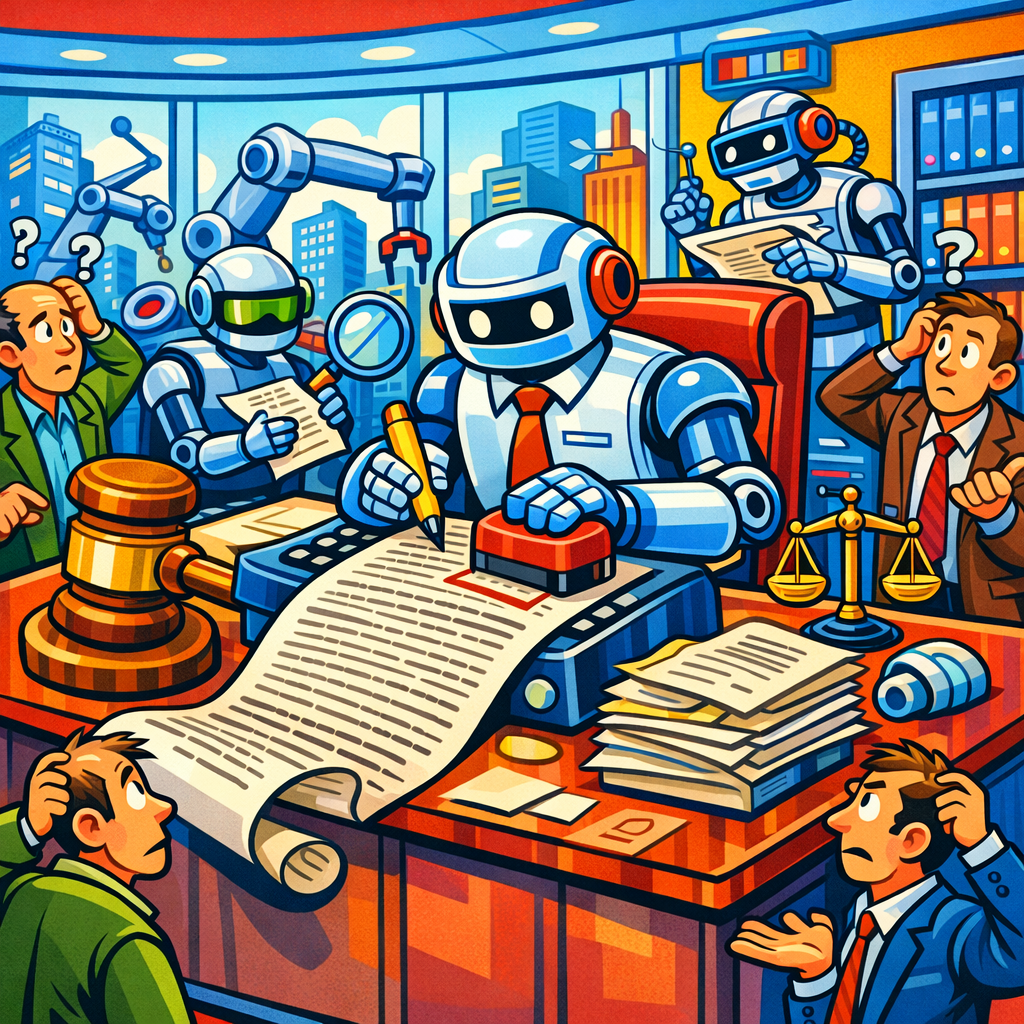
JD Supra’s report shows how banking and legal sectors use AI and document automation tech to sharpen workflows. These tools reduce human error (and costs), speeding processes once manually torture-some. Although benefits abound, leaders confront compliance battles and ethical puzzles when weaving advanced solutions into daily routines.
The Take Nobody’s Saying Out Loud
Let’s be blunt: this shift to AI isn’t only out of goodwill or productivity urges. It’s also about shifting power dynamics favoring tech over humans. The uncomfortable truth is banks and law firms might boast efficiency while breeding job insecurity for those soon replaced by algorithms that whip up documents faster than paralegals ever could. That tired line about tech merely ‘assisting’ people? It’s wearing thin—this is shrinking skilled workers’ roles.
Why This Matters More Than The Headlines Suggest
This story goes beyond mere adoption; it marks society’s growing dependence on automated systems at the cost of human oversight. With machines taking large swaths of work, we must question who bears responsibility when errors arise. As banking and legal industries forge ahead with AI integration, trust could wane if consumers feel their interests aren’t ultimately safeguarded by ethically-minded humans.
The Skeptic’s Case
Skeptics on the other hand argue—rightfully so. that putting AI into banking and legal settings boosts accuracy and compliance with intricate laws. Algorithms churning through data at high speed could significantly cut down errors from human exhaustion or oversight. But, here’s our take: balancing new tech with accountability is key. If these fields charge ahead without solid oversight, we might end up with more headaches than solutions.
What Happens Next
We’ll be watching how these sectors handle this big shift. Expect to see more regulation as lawmakers dig into AI’s impact on finance and law—something we need if we’re going to avoid saying goodbye to common sense. Also, keep an eye out for debates within professional groups about the ethics of letting machines make decisions. If companies ignore potential backlash now, they could face resistance from employees worried about jobs and consumers wanting clarity.
As banks and law firms waltz with their shiny AI today, tomorrow should be about recognizing who’s getting their toes trodden on in this dance. Neglecting this could lead to a costly misstep for the whole industry.
Frequently Asked Questions
How is AI changing the banking sector?
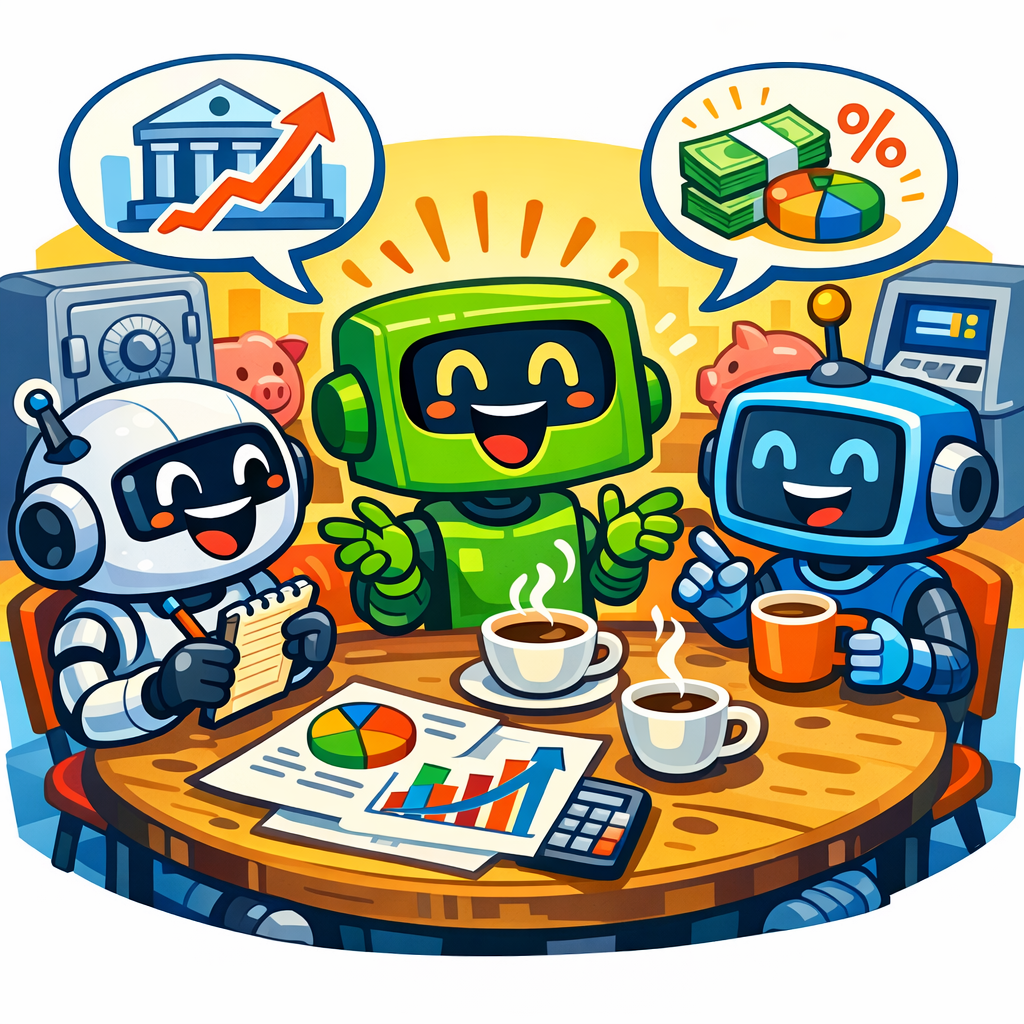
AI cuts down paperwork in banks by automating document tasks—boosting efficiency.
What challenges does AI present to legal professionals?
Bringing in AI stirs up worries about job security for paralegals and lawyers as tasks get increasingly automated.
Will regulation keep pace with technological advancement in finance?
We expect more eyes from regulators as lawmakers react to fast changes from AI in banking practices.
What ethical considerations come with using AI in law?
Using AI brings up questions about who’s accountable when algorithms start making choices that affect clients’ lives.
Related Coverage
📚 Sources & References
All primary sources linked so you can verify every claim. This article is not financial advice.
Disclosure: This article is market analysis and reporting, not financial advice. Cryptocurrency markets are volatile and you can lose money. Do your own research and consult a qualified financial professional before making investment decisions. Catatonic Times does not hold undisclosed positions in assets covered on the day of publication.