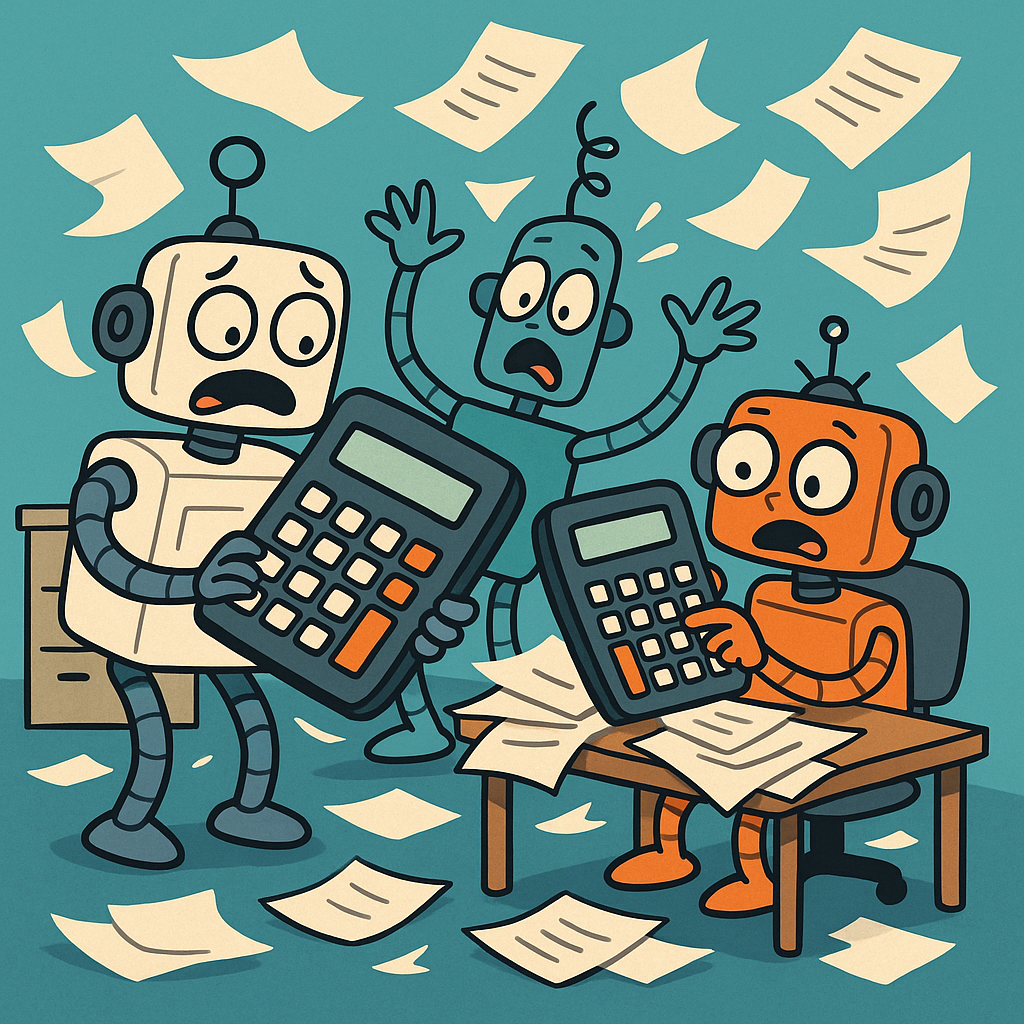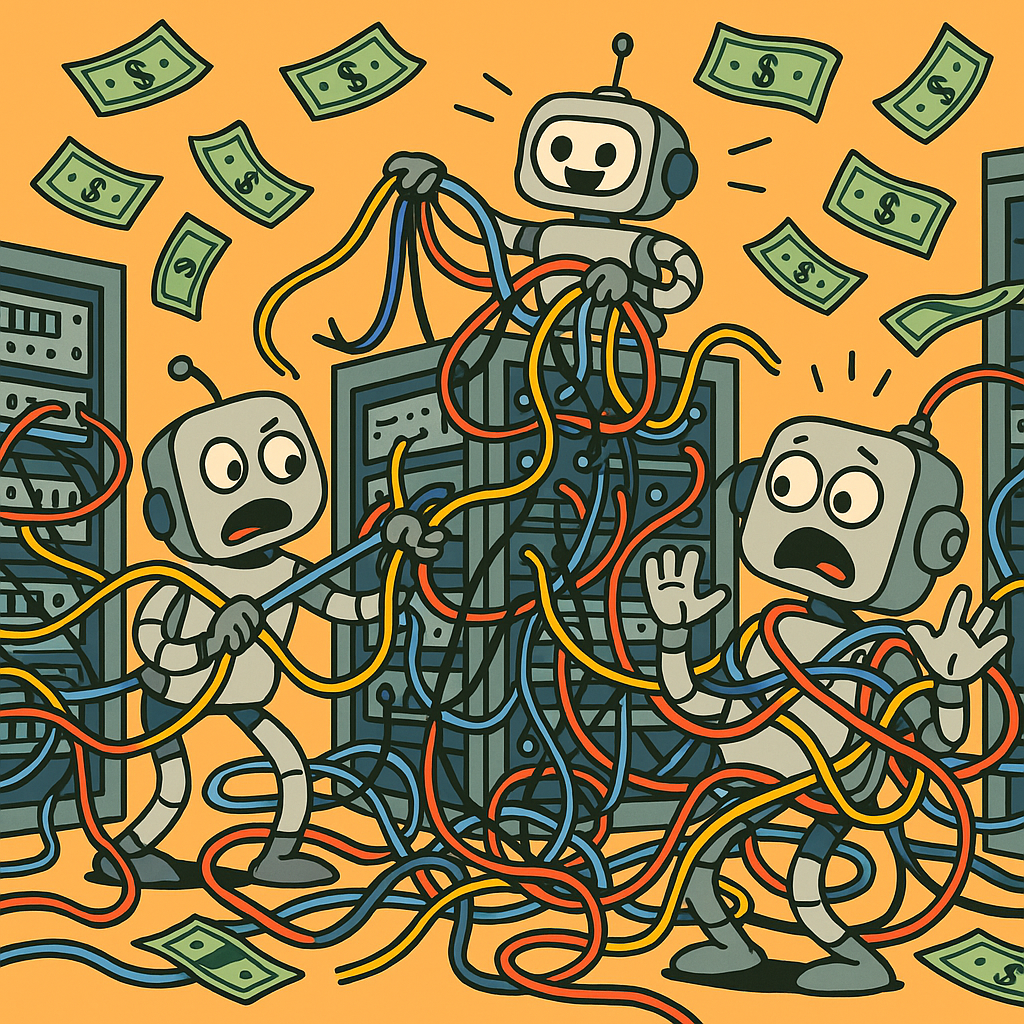
CoreWeave, once high on AI’s success, is now tumbling hard. Shares and bonds are diving. As per Reuters, the company’s woes highlight the hefty debt driving the AI industry’s quick climb. The hype train isn’t chugging along anymore; it’s hitting the brakes quicker than expected due to financial instability fears.
In This Article
Key Takeaways
- CoreWeave’s drop exposes deep debt issues under AI’s surface gleam.
- Investors might reconsider financing paths before further downturns unfold.
- Silicon Valley’s spendthrift ways risk broader market equilibrium.
- Could this shift toward sustainable growth models be tech’s new direction?
Here’s the grim truth: just when we were sure we’d entered a golden age of endless prosperity via AI, we see how debt can dim even bright prospects. If you think CoreWeave’s situation is a one-off, think again—this might be just a peek at an iceberg threatening the whole AI scene.
What Actually Happened
On October 15, 2026, Reuters reported CoreWeave’s decline, tying it to broader worries about AI sector debt. Analysts are assessing this amid fears for companies heavily stacked in artificial intelligence. Expectations were of money rolling in non-stop from AI—now we’re seeing that other side.
The Take Nobody’s Saying Out Loud
The uncomfortable reality hits home: while cheering AI as tomorrow’s hit, many firms have overextended themselves with borrowed funds. Venture capital has turned bold startups into shaky ones reliant on increasing debt mountains (it isn’t pretty). CoreWeave isn’t just a warning sign; it’s a symptom of venture capitalists pushing boundaries recklessly. Heads up: when investments dry or fail, it echoes beyond investors—it shakes our tech world broadly.
Why This Matters More Than The Headlines Suggest
The core issue? What does perpetual funding mean for an industry’s survival? If giants like CoreWeave falter under pressure, what fate awaits smaller competitors scrambling behind? AI doesn’t develop in isolation; there exists a balanced ecosystem where regulatory demands and investor hopes rise with every new advance. As debts balloon and risks soar, expect regulations and public backlash against what may soon be seen as reckless financial antics mixed with unchecked tech dreams.
The Skeptic’s Case
Sure, skeptics might say business cycles go up and down. One’s loss, another’s gain—it’s a cycle, not a collapse. In our digital age (whatever one might call it), risk and innovation are almost inseparable. Note, CoreWeave’s dip could be just a market correction, not doom. But hey, dreaming on plastic? Historically dicey when reality knocks.
What Happens Next
The near future will tell: companies’ responses to CoreWeave’s slump might shape their strategies. Will they lean towards fiscal care or continue with bold buyouts that deepen the financial hole? Whatever the route, it’s your signal if you’re still snuggled up with those glitzy AI stories without peeking at the financials underneath.
Skipping the wrap-up talk: we should cut our short-term gain obsession and start focusing on sustainability—CoreWeave has to now. or we may not just face a downturn but an industry crisis looming over us all.


Frequently Asked Questions
What caused CoreWeave’s recent stock decline?
CoreWeave is hitting rough waters due to big debts and shifting investor vibes messing with its operations.
How does this impact the wider AI industry?
This situation hints that shaky finances could hit other companies tied to debt-laden growth paths in AI.
Are other companies facing similar issues?
Yep, analysts reckon CoreWeave’s troubles might reveal wider frailties in many AI companies cashing in quick (or trying to).
What does this mean for future investments in AI?
Investors may have to rethink strategies toward sustainable practices over fast loan-fed expansion.
Related Coverage
📚 Sources & References
- reuters.com: CoreWeave’s slump puts spotlight on debt behind AI boom – Reuters
- reuters.com: Analysts react to Coreweave debt woes, AI selloff – Reuters
All primary sources linked so you can verify every claim. This article is not financial advice.
Disclosure: This article is market analysis and reporting, not financial advice. Cryptocurrency markets are volatile and you can lose money. Do your own research and consult a qualified financial professional before making investment decisions. Catatonic Times does not hold undisclosed positions in assets covered on the day of publication.