OpenAI’s taking a deeper dive into advertising by launching visual ads right after you create images. Yes, it’s in the U.S. only for now, but users can expect branded messages alongside their AI-generated art. If you thought tech commercialization had peaked, brace for more.
In This Article
Key Takeaways
- OpenAI’s visual ads might threaten authentic creativity.
- This move hints at turning art into a commodity.
- Creatives likely to resist these ad placements.
- We’re seeing the line blur between real expression and commerce.
But wait — does anyone even want this? While folks shower OpenAI with praise for its money-making strategy, let’s strip away that enthusiasm mask and ponder the big shift toward commodifying creativity with these ads.
What Actually Happened
As reported by TechCrunch AI, OpenAI has rolled out visual ads appearing next to image generation results for U.S. users. It seems part of a bigger push to monetize services more aggressively — an approach that’s likely to provoke mixed user reactions, especially among creators.
The Take Nobody’s Saying Out Loud
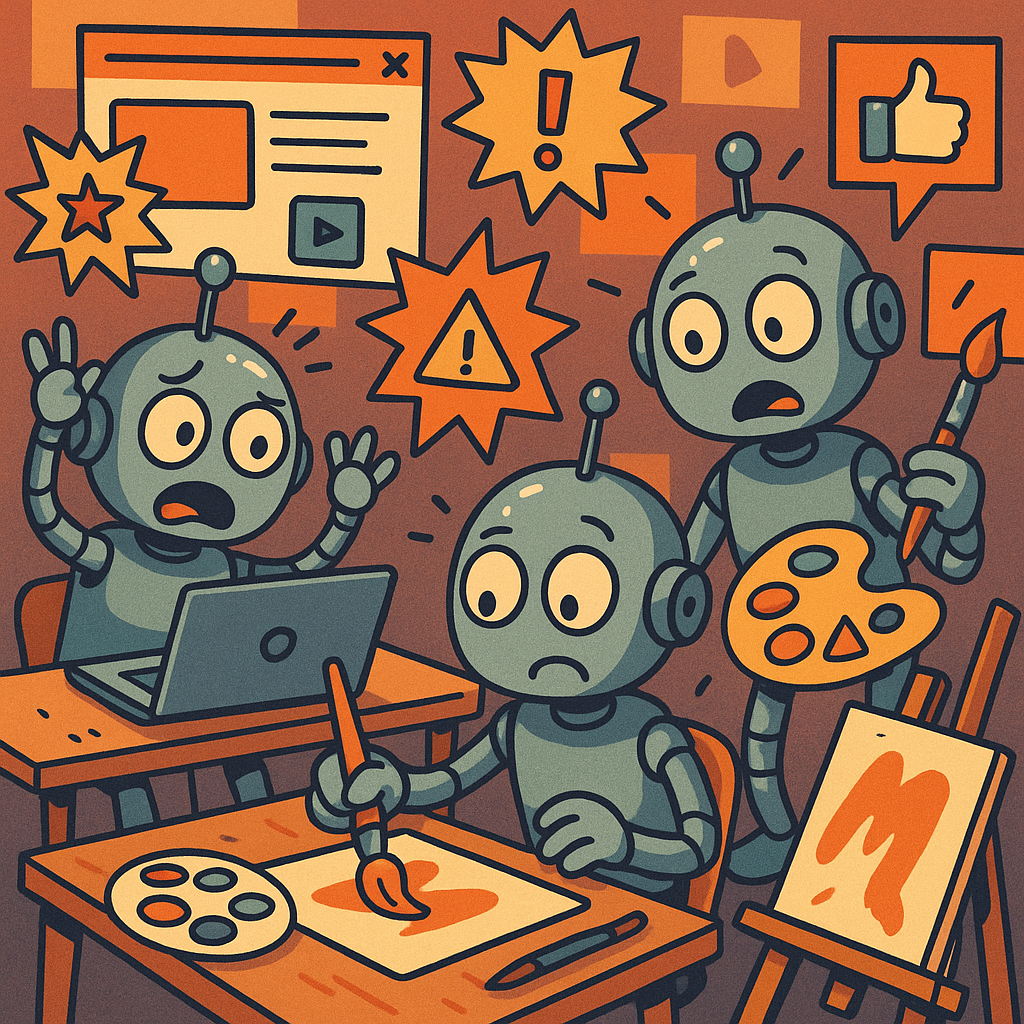
The uneasy takeaway is that this move could erode creativity’s core essence. By layering ads onto AI visuals, OpenAI risks making imaginative efforts just carriers for commercial pitches. When did our art become another ad space? Capitalism-on-steroids feels apt, prioritizing profit over user enjoyment and creativity. Why not plaster ‘Sponsored by’ on every digital artwork while we’re at it?
Why This Matters More Than The Headlines Suggest
It’s not just about ads; it’s a sign of a culture monetizing everything. Consider it: once generative arts get commercialized through ad placements, what follows? Usage rights you must pay for? A system where premium means ad-free and regular means marketing overload? This sends ripples throughout tech — raising flags about accessibility, ownership, and integrity in digital creation.
The Skeptic’s Case
Sure, some might say putting commercials into generated art is just another monetization trick in tech. Lots of services run on ad money to stay free or cheap. But are we crossing a line between creativity and making a quick buck? Those who love free stuff through ads should pause to consider the quality (and authenticity) we’re giving up for convenience.
What Happens Next
As OpenAI rolls out these visual ads, keep an eye on user sentiment shifts and whether artists push back. They already struggle with intellectual property in AI work. How will competitors react: follow or avoid this move? When will regulators step in as commercialization seeps into creative spaces? Get ready for heated talks about ethics and user experience in the coming months.
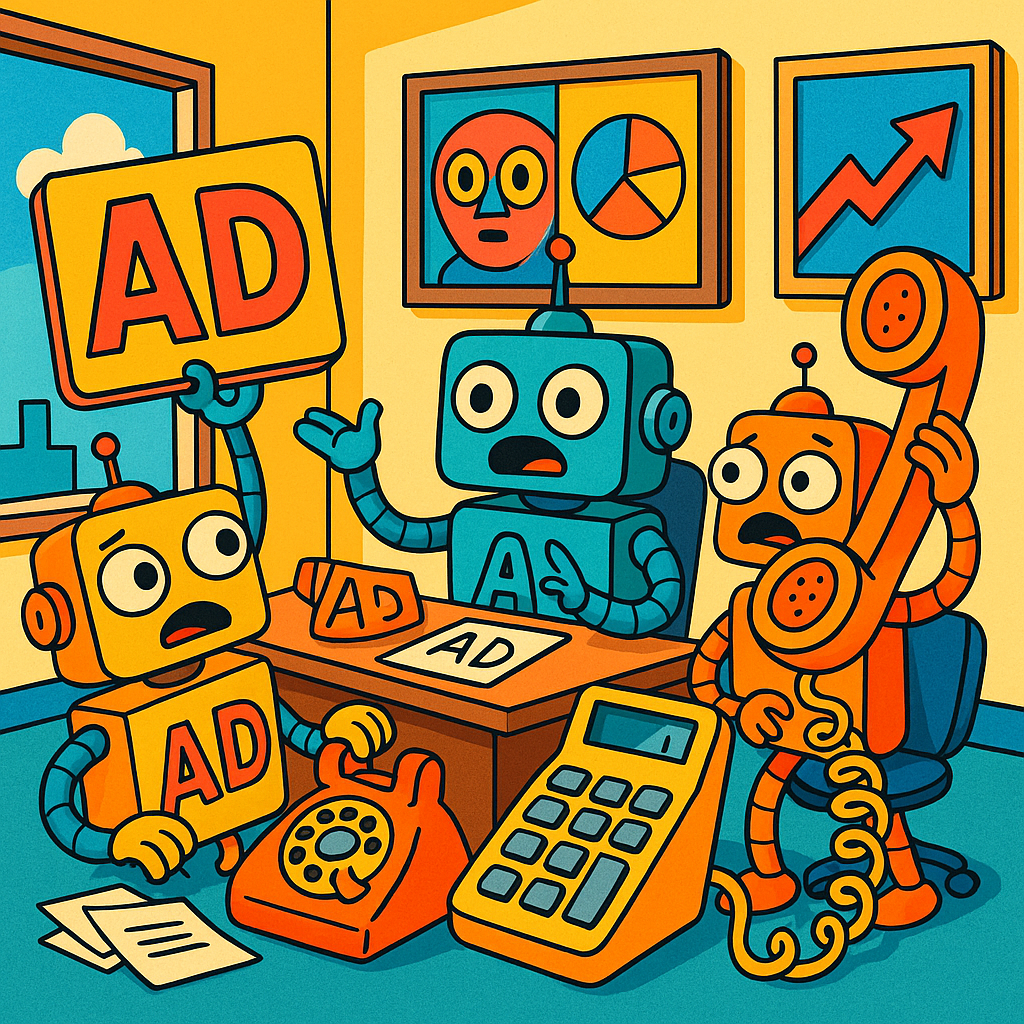
With OpenAI’s new venture into visual advertising, we’re left wondering whether creativity will be co-opted or reclaimed — and which side would you rather be on?
Frequently Asked Questions
What are OpenAI’s new visual ads?
OpenAI recently announced visual ads that’ll show up next to image generation results for users stateside. They’re looking to squeeze more dollars from their platform.
Why are people concerned about these ads?
Concerns are bubbling that these ads could turn creativity itself into saleable goods, upsetting genuine artistic expression within AI-generated works.
Will these ads be available outside the U.S.?
Right now, OpenAI’s visual ads have launched only in the U.S., and there’s no word on when—or if. other countries will get them.
How might this change user experience?
User experience might take a hit with creative outputs getting mixed with ads, possibly leading to artists’ frustration.
Related Coverage
📚 Sources & References
All primary sources linked so you can verify every claim. This article is not financial advice.
Disclosure: This article is market analysis and reporting, not financial advice. Cryptocurrency markets are volatile and you can lose money. Do your own research and consult a qualified financial professional before making investment decisions. Catatonic Times does not hold undisclosed positions in assets covered on the day of publication.