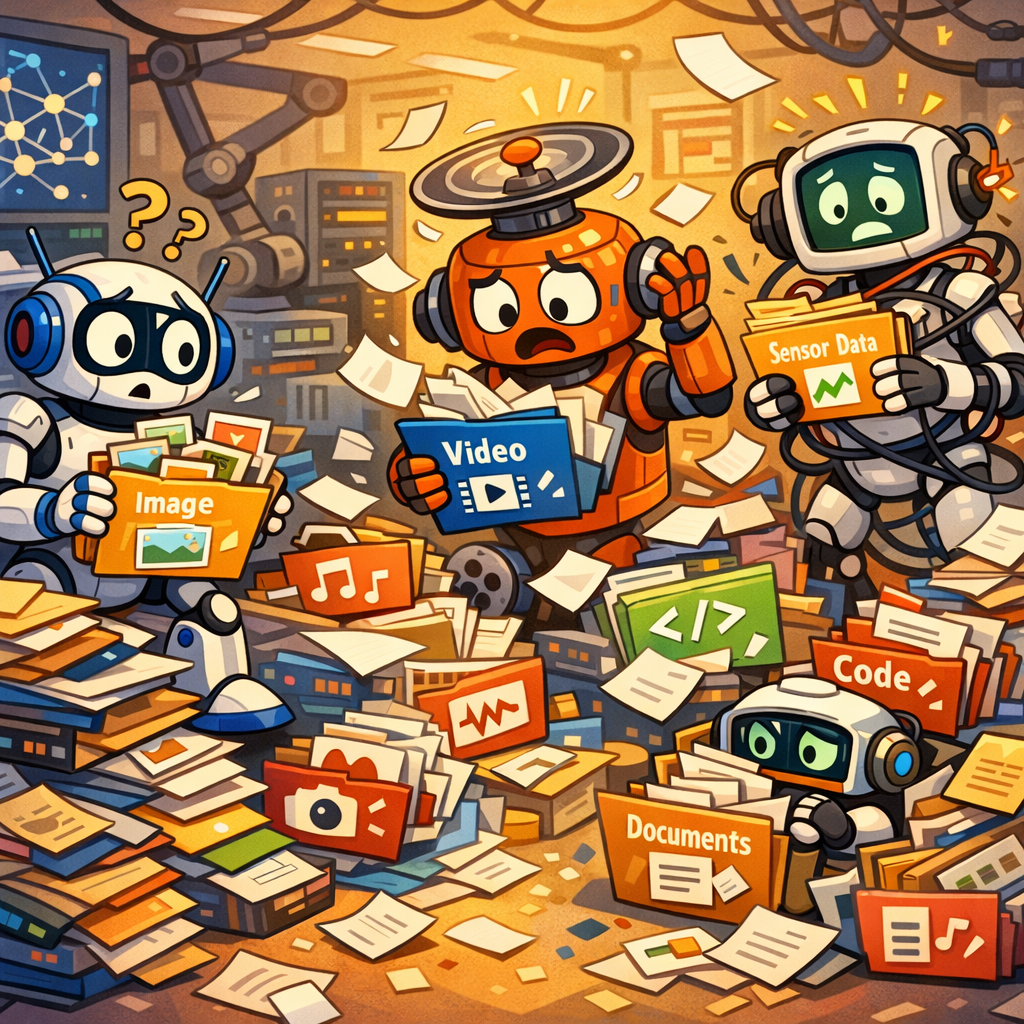
What if piling more data onto AI agents actually makes them dumber? It sounds counterintuitive, right? But The New Stack argues exactly that. In a world where data is king, we should ask: can too much of a good thing become a liability?
In This Article
Key Takeaways
- More data isn’t always better; it can muddy AI decision-making.
- Quality over quantity needs to be our new mantra in AI development.
- Trust in AI hinges on its ability to produce reliable outcomes.
- Inundating AIs with excessive information risks public confidence.
We’re drowning in terabytes of information. There’s growing hesitation within tech circles about whether overloading AI systems with data is effective. One might expect more data to mean better decisions, but it might steer digital agents into murky waters of unreliability instead.
What Actually Happened
The report shows a paradox in AI development. Despite an industry mantra advocating for massive datasets as the ticket to efficiency and intelligence, this approach leads to diminishing returns in reliability. Overfeeding AI agents with indiscriminate volumes of data can make them less accurate due to conflicting or irrelevant information clogging their algorithms.
The article suggests focusing on quality over quantity, refine datasets rather than inflate them. This shift challenges entrenched beliefs within AI circles that more inputs always equal better outputs.
The Take Nobody’s Saying Out Loud
It’s like watching a balloon inflate past its capacity. Everyone’s cheering for “more data” like it’s going to solve our tech woes, but what if it only leads us toward an inevitable pop? An uncomfortable read here: many in tech are so excited about big datasets or model upgrades they’re ignoring how messy real-world information can be. We’ve built this cult around ‘big data’ without considering pitfalls, now consequences manifest in unreliable outputs.
Why This Matters More Than The Headlines Suggest
Implications reach far beyond technical concerns; this dilemma strikes at the core of trust in AI systems. If we’re handing over more data without assessing its relevance or accuracy, we risk not just performance but user safety and consumer confidence.
Businesses and developers must reckon with this issue before it spirals out of control. Should clients distrust AI tools for churning out faulty recommendations, it could cripple entire industries reliant on these technologies.
The Skeptic’s Case
Sure, some might say more data has always supported progress in areas like machine learning, self-driving cars, image recognition, you name it. Wouldn’t an algorithm with a million images beat one with hundreds? Yet another angle: successes usually hinge on careful dataset curation and validation pre-launch. Where do we stand? Simple: big datasets can spark breakthroughs, but leaning too hard on volume without context could lead us off a cliff (and we might not climb back).
What Happens Next
The real challenge will be shifting AI training from bulk to brilliance. Companies have to prioritize methods that guarantee data accuracy and relevance, which might mean spending more on R&D at first but saving by reducing errors later. In the coming year, we might see new metrics ensuring dataset quality or even tools built just to sift out the nonsense.
Keep ignoring quality for quantity, and we’re headed for a future where our cutting-edge AIs are no smarter than kids hurling spaghetti at walls.
Frequently Asked Questions
Can too much data harm AI performance?
Yes. Too much useless or contradictory data can mess up AI reliability by tangling its decision-making gears.
Why is quality over quantity important for AI?
Zeroing in on top-notch data helps make sure the inputs allow for clearer, more consistent outputs, boosting system trustworthiness overall.
How does unreliable AI impact businesses?
If clients stop trusting AI systems because they spit out inconsistent results, businesses relying heavily on these technologies could face threats to their operations.
What should businesses prioritize when using AI?
‘Businesses should focus on curating relevant datasets rather than just stockpiling heaps of info for true effectiveness.’
Related Coverage
📚 Sources & References
All primary sources linked so you can verify every claim. This article is not financial advice.
Disclosure: This article is market analysis and reporting, not financial advice. Cryptocurrency markets are volatile and you can lose money. Do your own research and consult a qualified financial professional before making investment decisions. Catatonic Times does not hold undisclosed positions in assets covered on the day of publication.