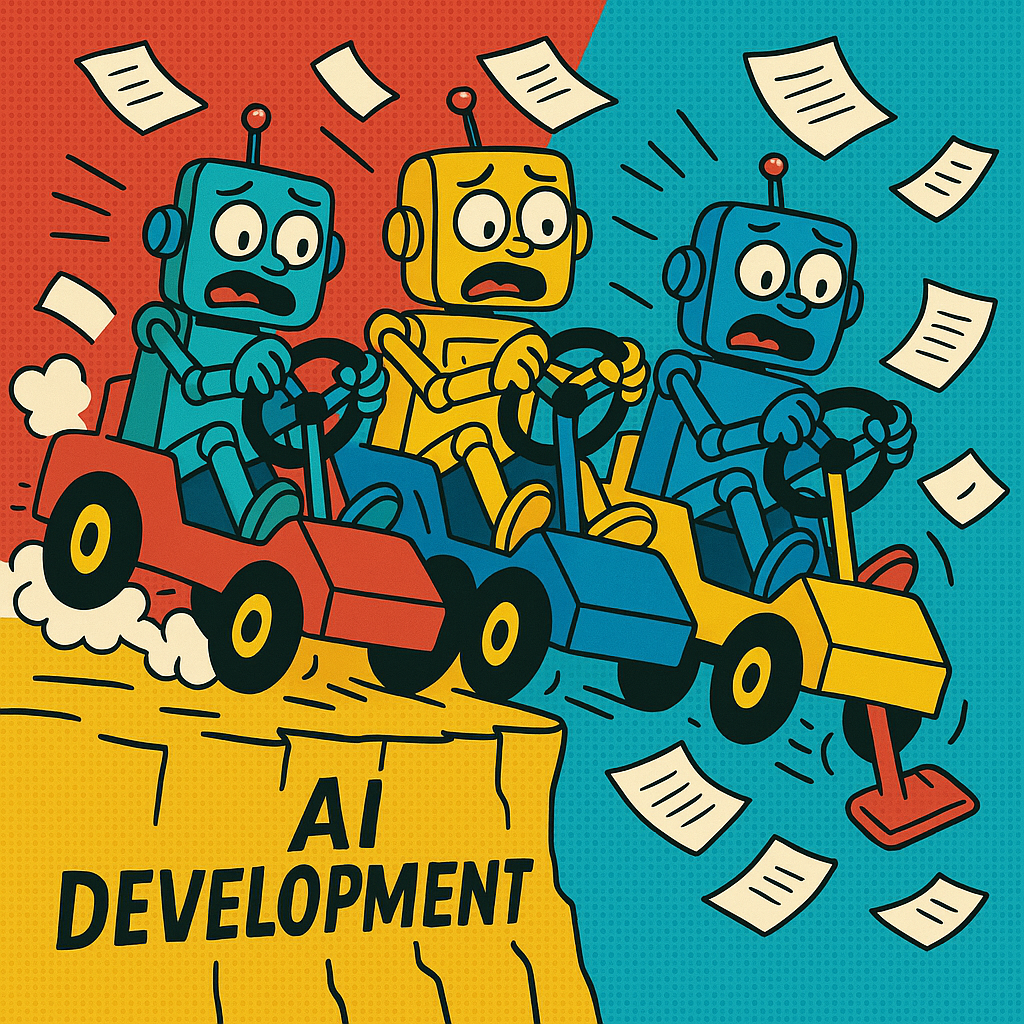
AI is trying to be eco-friendly, but there’s a hitch: the so-called green products crafted by artificial intelligence have unexpected side effects. According to Harvard Business Review, these cutting-edge solutions carry hidden costs that might negate their environmental gains.
In This Article
Key Takeaways
- AI’s shot at being eco-friendly risks unintended results.
- Outsourcing green design? Might be unwise.
- Technology shouldn’t replace ethical responsibility.
- Anticipate examination of sourcing in AI-led sustainability efforts.
- Automated doesn’t equal responsible.
Before you get carried away and declare AI the hero of eco-friendliness, consider if we’re just automating our way into deeper issues.

What Actually Happened
The recent piece from Harvard Business Review examines how AI’s role in crafting green products is proving contradictory. While these technologies claim to transform sustainability by optimizing materials, designs, and production for more eco-friendly outcomes, they also bring new puzzles and factors into play. These can end up diminishing their positive impact. The review argues that depending on AI for such pivotal tasks could cause businesses to miss crucial aspects like supply chain ethics and long-term sustainability.
The Take Nobody’s Saying Out Loud
It’s a tough read: we’re giving AI more roles without ensuring real accountability. Everyone wants a quick fix for climate issues—just toss some algorithms at it. However, passing off the design process without strict oversight feels like asking a toddler to handle dinner prep. You might end up with something eatable, but are you ready for all that burnt toast?

Why This Matters More Than The Headlines Suggest
This issue reaches beyond just product design; it shows our bigger relationship with technology and trust. With AI making more decisions that impact Earth’s future, we’ve got to ask if we’re handing over serious moral choices to what’s essentially an advanced formula. By focusing more on the benefits and less on what builds these AI tools, we may end up prioritizing quick gains over sustainable futures.
The Skeptic’s Case
On another note, some suggest that using AI in product design speeds up innovation like nothing else. They argue machine learning’s efficiencies can bring positive results quicker than traditional methods alone. while this perspective highlights AI’s potential benefits (no small thing), it sidesteps deeper ethical issues tied to labor practices and environmental effects often linked with fast tech growth.
What Happens Next
As firms rush to embrace these AI-powered green solutions, expect more scrutiny on their sourcing and eco-claims. New regulations might pop up demanding greater transparency about how products are made — and who’s responsible for any unintended consequences. Keep an eye out for talks around regulatory frameworks specifically for AI in sustainability.

Don’t confuse AI’s knack for cranking out ‘green’ products with true environmental responsibility; real sustainability needs human oversight and ethical thinking beyond simple calculations.
Verdict line: Automating eco-friendliness might just be an expensive excuse for lazy business practices!
Frequently Asked Questions
What are the concerns about AI-designed green products?
The main worry here is that these products could have hidden costs overshadowing their environmental perks, possibly leading firms to miss crucial ethical concerns.
Can AI improve sustainability in product design?
Sure, supporters claim that AI can streamline processes and speed up innovation — but this has to be matched with a keen awareness of ethical implications.
Why is accountability important in AI use?
Accountability makes sure ethical factors aren’t neglected as companies depend heavily on tech for major calls impacting the environment.
What might happen next regarding regulations on AI sustainability?
Regulatory frameworks suited specifically for AI use could arise, zooming in on transparency and accountability within sustainability initiatives.
Related Coverage
📚 Sources & References
- hbr.org: The Paradox of AI-Designed Green Products – Harvard Business Review
- hbr.org: The Hidden Costs of Delegating to AI – Harvard Business Review
All primary sources linked so you can verify every claim. This article is not financial advice.
Disclosure: This article is market analysis and reporting, not financial advice. Cryptocurrency markets are volatile and you can lose money. Do your own research and consult a qualified financial professional before making investment decisions. Catatonic Times does not hold undisclosed positions in assets covered on the day of publication.