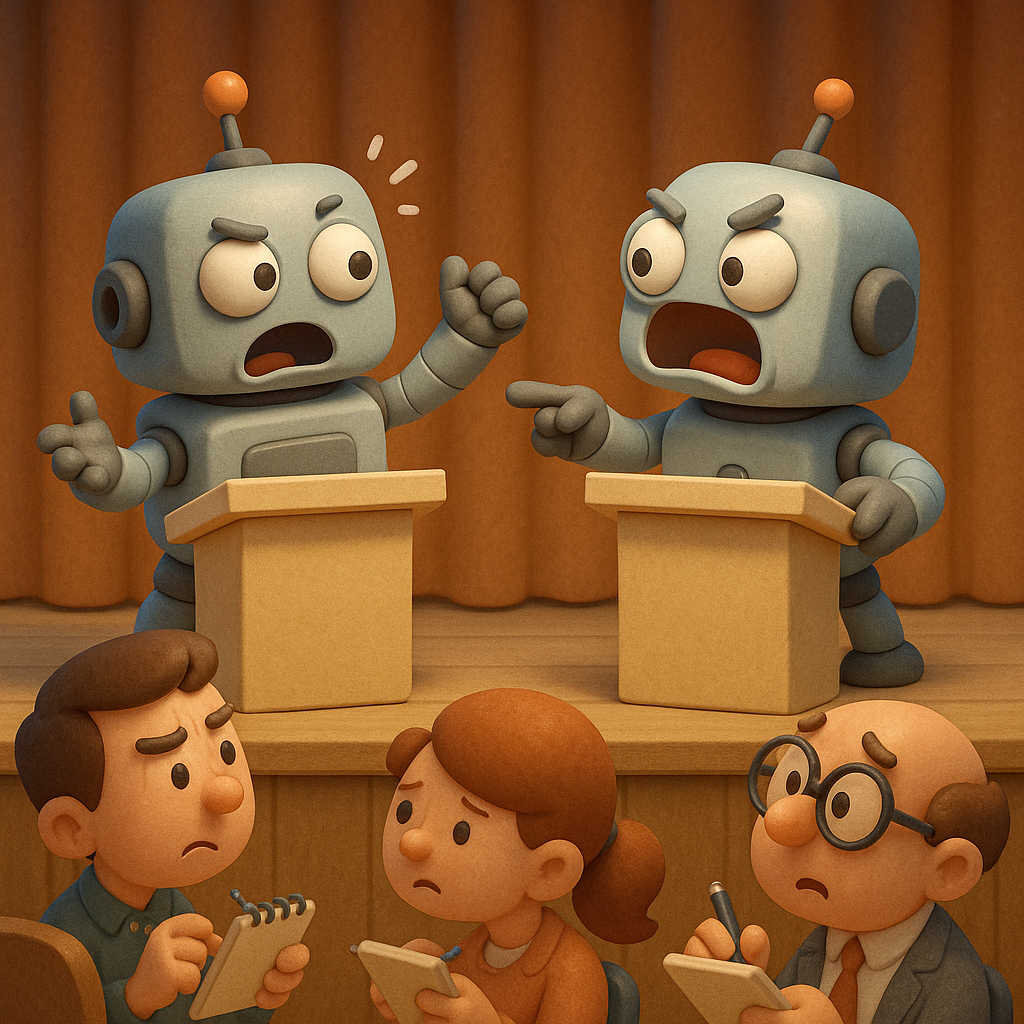
Surprise twist: amidst the ongoing U.S.-China trade saga, they’ve agreed to trim tariffs on $30 billion in goods. But that’s just the tip of the iceberg. According to The Wall Street Journal, there’s also a budding dialogue about artificial intelligence (AI). Yes, AI is now on the diplomatic table, much like an olive branch.
In This Article
Key Takeaways
- Tariff reductions could mean more than just economic relief.
- Talks around ‘super intelligence’ might ignite new tech rivalries.
- Historical distrust makes future cooperation tricky.
- Diplomacy’s last stand—before tech turns adversarial.
Thought trade wars were all about soybeans and steel? Think again! This latest twist suggests an ambitious—even fragile. cooperation attempt in a field poised to influence global power dynamics. With stakes this high, one can’t help but wonder: is this real collaboration or merely a facade for deeper geopolitical tensions?
What Actually Happened
The U.S. and China have made headway by agreeing to cut tariffs significantly on $30 billion of their trade and to kickstart an AI dialogue focused on what’s being called “super intelligence” by Axios. Put simply, they’re trying to outpace one another in the quest for cutting-edge AI capabilities while alleviating some severe economic stress from tariff hikes (Axios). Both nations evidently grasp that they can’t allow AI advancements to become another battlefield — at least not yet.
The Take Nobody’s Saying Out Loud
This move smacks of desperation from both parties. Cutting tariffs may look like progress, but we should question whether this is real diplomacy or just a PR stunt designed to reduce tensions while avoiding real concessions. Sure, they’re chatting about AI—but let’s face it: it’s tough to trust two nations whose leaders likely view each other as chess pieces rather than allies. The uneasy truth here is that talks around ‘super intelligence’ might not lead us to ethical consensus but instead set the stage for a new arms race where technology becomes the ultimate weapon.
Why This Matters More Than The Headlines Suggest
The underlying message goes way beyond economics and AI discussions; it hints at how both nations view their relationship with tech and each other. By zeroing in on AI as a partnership opportunity, we see a tenuous bridge spanning turbulent waters. Yet history reminds us that U.S.-China peace agreements often carry hidden agendas—like securing early advantages in emerging technologies before anyone else can catch up.
There’s big risk shoving ‘super intelligence’ talks into diplomacy without safety or regulation already set. Are we opening Pandora’s box on ethics and AI accountability?
The Skeptic’s Case
Skeptics might call this deal window dressing—a distraction from domestic headaches like economic issues or unrest. They’ll claim these talks are going nowhere substantial, citing past pacts that didn’t change much. And years of mutual mistrust aren’t easily forgotten! With fresh cyber-espionage accusations, how can we expect constructive outcomes from these discussions?
Face it: if I were playing poker with someone skeptical of my every move, I’d hold my cards close too—bluffs wouldn’t work as well.
What Happens Next
- Tighten Your Monitors! Expect more scrutiny on new tech ties between U.S. and Chinese companies as regulators prepare for possible fallout from this dialogue.
- Stay Tuned for Updates! Watch for developments on specific steps coming from this cooperation—or not. since actions speak louder than words.
- Treaties Over Boardrooms! Keep an eye out for more joint statements or agreements; they’ll solidify this partnership or indicate it’s falling apart.
Keep your popcorn handy since what follows could ease tensions or explode them—and yes, I’m talking about those “super intelligence” discussions!
This isn’t just another chapter in trade negotiations; it might be the prologue to an epic showdown we never wanted!
Frequently Asked Questions
What tariffs are being trimmed between the U.S. and China?
The U.S. and China agreed to cut tariffs on $30 billion in trade as part of their latest pact announced September 26.
What is the significance of starting an ‘AI dialogue’?
‘AI dialogue’, especially around ‘super intelligence’, hints both nations see the need for cooperation amidst rivalry but questions genuine intentions.
How might these negotiations affect technology companies?
We’re seeing technology firms potentially facing more scrutiny and regulatory oversight now that there’s talk about possible U.S. and Chinese collaborations.
Super intelligence’ — what does it mean?
‘Super intelligence’—advanced AI capabilities outstripping human cognitive abilities. Discussions about this concept bring some serious ethical challenges.
Related Coverage
📚 Sources & References
- wsj.com: U.S., China Agree to Trim Tariffs, Start AI Dialogue – WSJ
- axios.com: U.S. and China agree to "super intelligence" dialogue amid AI tensions – Axios
All primary sources linked so you can verify every claim. This article is not financial advice.
Disclosure: This article is market analysis and reporting, not financial advice. Cryptocurrency markets are volatile and you can lose money. Do your own research and consult a qualified financial professional before making investment decisions. Catatonic Times does not hold undisclosed positions in assets covered on the day of publication.