It seems the stakes are higher in the turbulent waters of tech and geopolitics. According to Reuters, SpaceX’s subsidiary Cursor is contemplating phasing out Chinese AI models due to geopolitical risks. While that might seem savvy, it invites complexity that nobody’s quite ready for.
In This Article
Key Takeaways
- SpaceX’s Cursor may phase out Chinese AI due to geopolitical tensions.
- Corporate moves often disguise deeper fears behind political maneuvering.
- This decision could stifle global cooperation needed for major challenges.
- Expect increased scrutiny on foreign tech dependencies moving forward.
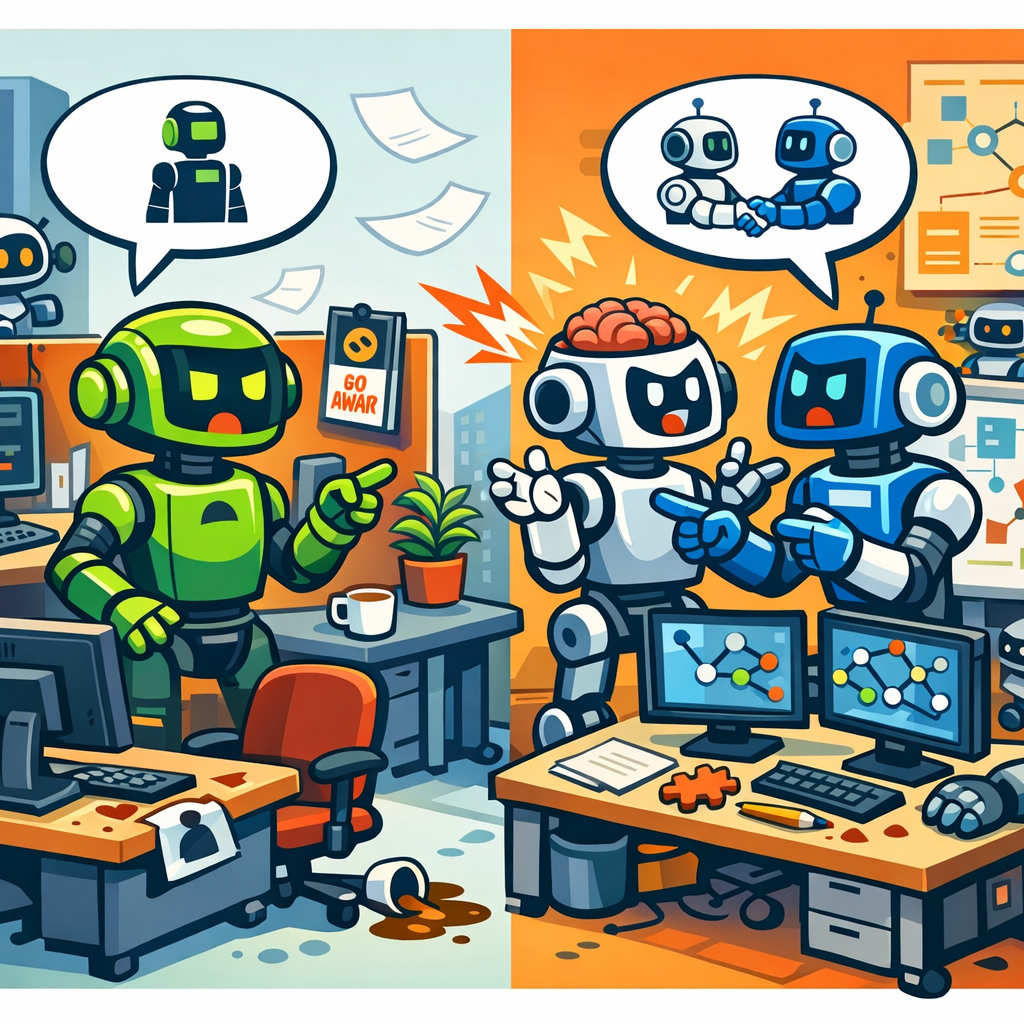
Cutting ties at a terrible time! As international relations dive into icy warfare, companies face moral dilemmas mixed with market concerns. With Cursor possibly stepping back from China’s AI sector, we wonder if this is risk management or just protectionism gripping Silicon Valley.
What Actually Happened
As reported by CNBC, Cursor told lawmakers it’s considering phasing out Chinese AI models over geopolitical risks. This shift shows growing concern over relying on foreign tech in a fraught environment. The timing suggests as tensions rise, so does caution for firms like SpaceX, which has thrived on cross-border innovation.
The Take Nobody’s Saying Out Loud
The uncomfortable read here isn’t just dodging bullets—it might be firing shots in an escalating tech war. In opting out of Chinese AI models, SpaceX isn’t merely reacting; they’re likely setting a stage for anti-China sentiment in Silicon Valley. Corporate interests often pose as noble national safety strategies.
While there’s merit in protecting intellectual property and securing data sources from espionage risks, we need to question whether such moves serve us or just entrench divisions further.
Why This Matters More Than The Headlines Suggest
This situation hints at big impacts on AI—both for company innovation and public debates on tech and geopolitics. As SpaceX backs away from China, what happens to global efforts on climate change and cybersecurity?
If firms pull back into national shelters, progress in areas needing international cooperation could falter—not just rivalry or isolation. The irony isn’t lost here: while tech aimed to break down borders, these actions might build more barriers than bridges.
The Skeptic’s Case
It could be said that cautiousness around foreign input in key technologies like AI is sensible business strategy and essential for national security. Critics might argue that moving away from possibly unreliable allies safeguards sensitive info and maintains operational soundness.
I get it: technology’s got power; you can’t deny it can be turned against our interests. But when does a healthy doubt turn into paranoia? Balancing the geopolitical scene with innovation isn’t easy—and often it looks like fear, not evidence, is driving choices.
What Happens Next
Watch how this story plays out in policy talks across sectors and law-making rooms. Will lawmakers consider Cursor’s warnings about geopolitical risks as companies follow suit? Keep an eye too on public views about tech dependence—will this fuel movements opposing globalization or spark demands for cultivating local talent?
We should also track competitor responses; if other firms decide to distance from Chinese tech ties too, we might see a shift toward industry fragmentation over collaboration.
The bottom line: As businesses take sides in this geopolitical chess match, don’t be shocked if innovation steps aside for fear-driven tactics.

Frequently Asked Questions
Why is SpaceX considering phasing out Chinese AI models?
SpaceX’s Cursor eyes this path due to rising geopolitical risks linked to foreign tech reliance.
What are the implications of cutting ties with Chinese tech in general?
Cutting ties may slow down innovation and hinder global collaborations vital for tackling urgent challenges.
Could other companies follow SpaceX’s lead?
Sure, if worries about foreign alliances grow, more companies might step back from international partnerships.
How do these decisions affect national security?
Such moves might aim to protect data integrity, but they could create divisions rather than solutions tackling shared challenges.
Related Coverage
📚 Sources & References
- reuters.com: SpaceX’s Cursor weighs phasing out Chinese AI models over geopolitical risk, CNBC reports – Reuters
- cnbc.com: SpaceX’s subsidiary Cursor tells lawmakers it’s considering phasing out Chinese AI models – CNBC
All primary sources linked so you can verify every claim. This article is not financial advice.
Disclosure: This article is market analysis and reporting, not financial advice. Cryptocurrency markets are volatile and you can lose money. Do your own research and consult a qualified financial professional before making investment decisions. Catatonic Times does not hold undisclosed positions in assets covered on the day of publication.