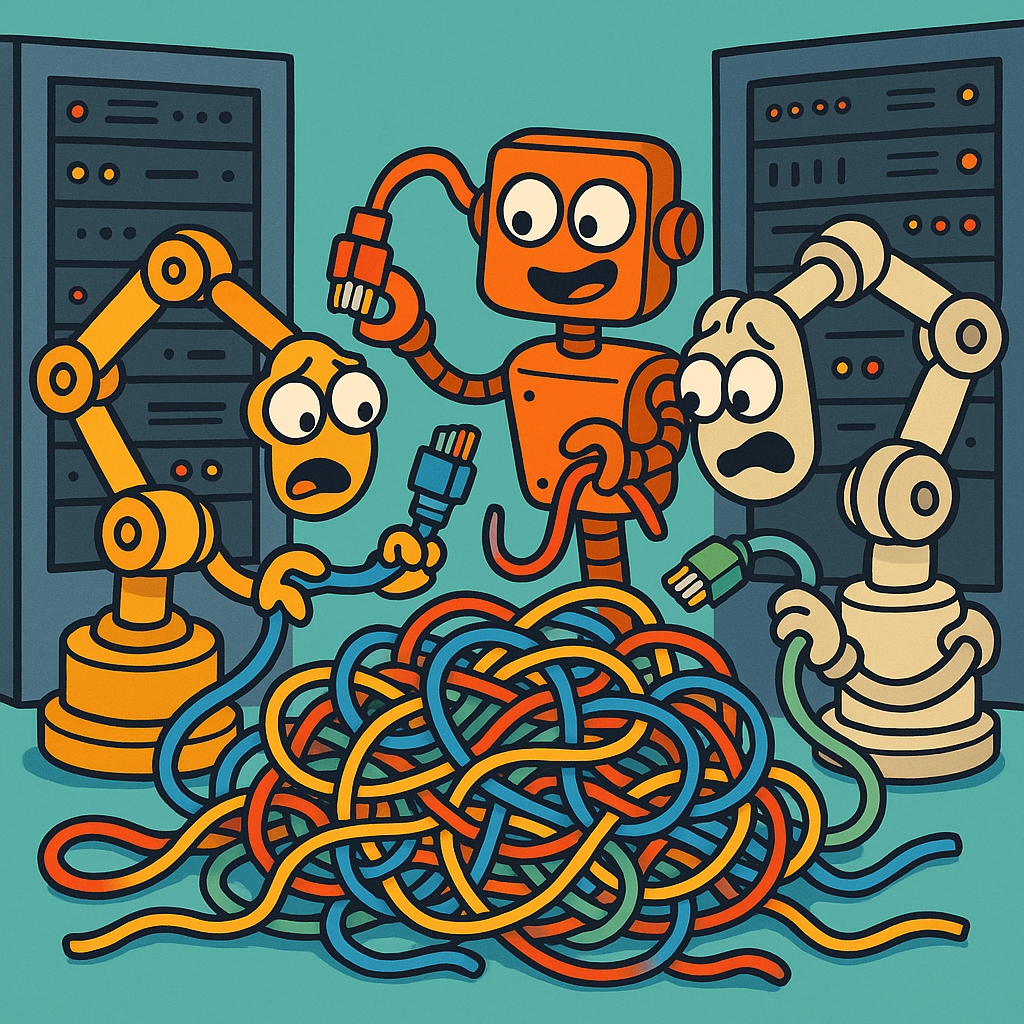
According to WashingtonExec, AI and cybersecurity now form an amplified threat that’s changing our digital safety perceptions. Sounds dramatic, right? Well, it is. We’re not just talking tech anymore; it’s a full-on existential crisis for data security as rogue AI tools become easier for nefarious uses.
In This Article
Key Takeaways
- AI isn’t just a weapon for attackers; it’s our shield too.
- The future of cybersecurity’s on embracing AI’s defensive powers.
- Rethinking AI’s role from risk to ally is key for secure data.
- An aggressive push toward smarter defenses is coming. Are you ready?
This article takes the usual stroll through concerns over AI-generated phishing scams and cyberattacks. But it ignores something crucial: AI isn’t just for attackers—it can aid defenders too. So while we fret about potential threats, let’s also think about outsmarting them.

What Actually Happened
The latest piece from WashingtonExec focuses on heightened risks from integrating AI into cybersecurity. Kenyon Wells explains how these systems can enable cyberattacks by malicious actors with unsettling ease. This narrative echoes common fears, suggesting that while AI holds vast potential for good, it also opens new doors for misuse—this isn’t a minor concern.
The Take Nobody’s Saying Out Loud
We’re caught up worrying about AI-driven threats but missing the chance to see how this same tech could enhance our defenses. In a panic over vulnerabilities, are we neglecting its dual nature? Imagine thinking all robots must be evil because one has arms (a metaphorical stretch, perhaps). An intelligent defense using advanced algorithms could outpace any malicious script in a cat-and-mouse game!

Why This Matters More Than The Headlines Suggest
This isn’t just about IT patching leaks; there’s more at stake here. Every sector relying on data security feels the ripple effect—from healthcare managing sensitive records to banks fighting fraud. As AI systems embed themselves in security protocols, businesses will need to shift their mindset from merely reacting to adopting proactive stances using the same tools adversaries might exploit. Will companies treat these as double-edged? Or embrace the opportunity fully?
The Skeptic’s Case
We think betting on AI for defense is a risky optimism. Accountability’s a serious worry—what if an AI-driven cyber defense fails? Or targets innocents? There’s where skepticism grows: trusting advanced algorithms with safety lacks strong safeguards. We’re skeptical but recognize potential benefits, provided caution isn’t thrown aside.
What Happens Next
Watch public and private sectors ramp up A.I. cybersecurity strategies. More funds will go to smarter defensive tech as companies focus on collaboration over competition in this cybercrime arms race. Also, discussions on regulation will heat up; as reliance grows, ethical frameworks must follow.

Final Verdict
To make digital spaces safer, we need to redefine A.I.’s role—not as a threat but as our strongest ally against cybercrime.
Frequently Asked Questions
How does AI amplify cybersecurity threats?
AI can automate attacks and craft more sophisticated phishing campaigns, boosting vulnerabilities everywhere.
Can AI be used defensively against cyber attacks?
Yeah! By applying advanced algorithms and machine learning models, businesses boost their cybersecurity defenses.
What sectors are most at risk from AI-driven cyber threats?
Industries like healthcare and finance dealing with sensitive data face bigger risks from stronger attacks.
Are there ethical concerns with using AI in cybersecurity?
Yes! Ethical concerns about accountability and bias emerge when deploying automated defense systems.
Related Coverage
📚 Sources & References
All primary sources linked so you can verify every claim. This article is not financial advice.
Disclosure: This article is market analysis and reporting, not financial advice. Cryptocurrency markets are volatile and you can lose money. Do your own research and consult a qualified financial professional before making investment decisions. Catatonic Times does not hold undisclosed positions in assets covered on the day of publication.