What Happened: New Regulations in California
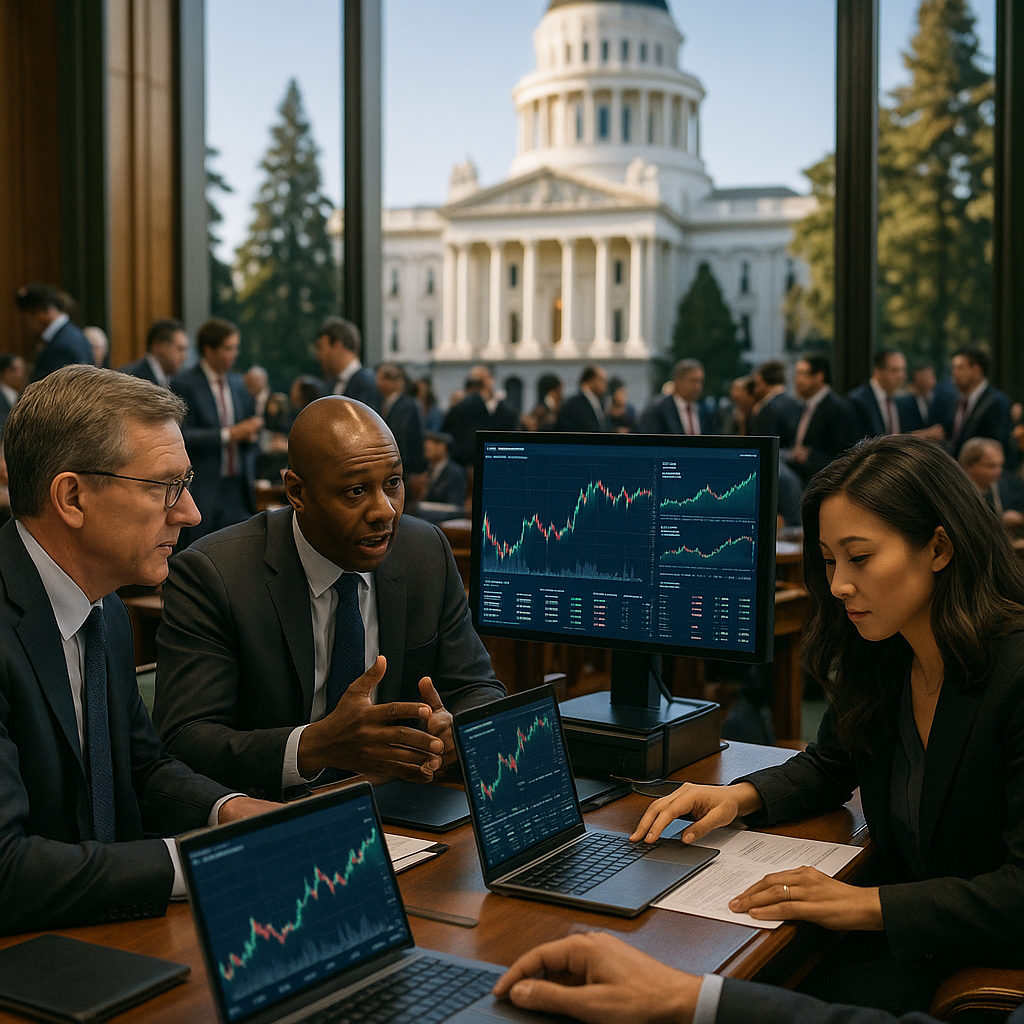
On September 28, 2026, California’s Governor Gavin Newsom put his signature on a law that bans public officials from launching memecoins. The point? To ward off potential conflicts of interest and keep investors safe from politically charged coin offerings. Exchanges now also face restrictions—no listing tokens tied to politicians here. which signals a notable change in how state-level crypto regulations are shaping up.
In This Article
Key Takeaways
- California says no more. Public officials can’t issue memecoins.
- This law could be the first step toward broader regulation across the U.S.
- Watch market sentiment—it might just take a turn as scrutiny ramps up.
- Investors might need to monitor for swings in tokens tied to politics.
- It’s all about pushing for transparency and accountability within crypto now.
Quick Answer
Under Governor Gavin Newsom, California’s put new rules in place barring public figures from launching memecoins. This stirs up questions about market stability with these tighter controls.
Why It Matters: Political Influence Meets Cryptoeconomics
This new regulation’s timing coincides with memecoins flooding the crypto market, often inflated by social media rather than real value (Dogecoin hitting $0.7316 at its peak was flashy but fleeting). By limiting public officials’ abilities to create these coins, California isn’t just targeting potential exploitation; it’s possibly setting a trend that might influence other states (we wouldn’t be too shocked if it does). These laws can change the story around cryptocurrencies, moving away from investments linked to political personalities.
The Market’s Missing Piece: Speculative Dynamics
The outcomes of this legislation are significant. Lately, we’ve noted Bitcoin at $82,976 as of September 28, down about 34% from its ATH of $126,080. This drop shows ongoing investor caution toward speculative assets like memecoins (numbers don’t lie). Conversely, Ethereum and Solana have shown some robustness with slight gains last month—ETH is at $2,661 (+9.1% over 30 days) and SOL rose +14.7% over that period.
Crypto governance stakes are big; it’s more than compliance—market integrity is at play. The filing doesn’t detail enforcement methods yet, which leaves questions about how well these rules will be applied.

Our Price Call: Where Will This Lead?
With this regulatory climate, we expect heightened volatility for tokens linked to influencers or politicians who might skirt these rules. Right now, we’d be surprised if major memecoins don’t feel less speculative buying pressure — especially in light of Dogecoin’s recent slide (-87% from ATH) amid regulatory focus.
If Bitcoin maintains a position above $82K consistently after this news cycle — let’s say over $84K. it could be seen as a positive signal for the broader market shaking off fear-driven sell-offs.
What to Watch Next: The Ripple Effects
Possible future developments might include:
- Other States Following Suit: Keep watch to see if other states draft similar legislation.
- Market Reaction: Observe how leading exchanges adjust their operations regarding listed tokens.
- Volatility Trends: Track performance of existing memecoins and whether new projects launch without local governance limits.
- Investor Sentiment: Measure changes in investor trust within the crypto market towards assets linked with political figures.
- The Legal Framework: Watch for upcoming documents on enforcement and compliance measures in state filings.
The short answer is: California’s ban signals an increasing move toward serious regulation within cryptoeconomics as authorities look to maintain control over potentially manipulative assets.

If It Were My Money
Were we holding memecoins or tokens tied to politics now, we’d tread carefully amid the uncertain enforcement landscape in Governor Newsom’s legislation. Invalidating scenarios might emerge if prices drop through support levels for weeks without bouncing—exact figures hinge on each asset’s behavior post-law.
The Bottom Line
This ban is only a fragment of the ongoing adjustments in cryptocurrency governance—a puzzle we’re tracking as policies change across states. Transparency and accountability are now critical for both regulators and investors.

Frequently Asked Questions
What does California’s new law entail?
California’s new law bars public officials from issuing memecoins and limits exchanges from listing coins linked to politicians.
How will this affect the crypto market?
The ban could cut speculation involving political figures and cause more volatility among current memecoins.
What happens next with regulation?
Other states might enact similar laws after watching California’s stance on meme-based currencies.
⚠️ Not Financial Advice: Everything above — including any price outlooks, scenarios, or forecasts. is independent research, analysis, and opinion. It is not investment, legal, or tax advice. Crypto assets are volatile and you can lose your entire investment. Always do your own research and consult a licensed professional before making financial decisions.
Related Coverage
📚 Sources & References
- Decrypt – California Bans Public Officials From Issuing Meme Coins Under New Newsom Law
- Bitcoin Foundation – California Bans Public Officials from Launching Memecoins
- The Block – California Gov. Gavin Newsom bans public officials from launching memecoins
All primary sources linked so you can verify every claim. This article is not financial advice.
Disclosure: This article is market analysis and reporting, not financial advice. Cryptocurrency markets are volatile and you can lose money. Do your own research and consult a qualified financial professional before making investment decisions. Catatonic Times does not hold undisclosed positions in assets covered on the day of publication.