What Happened?
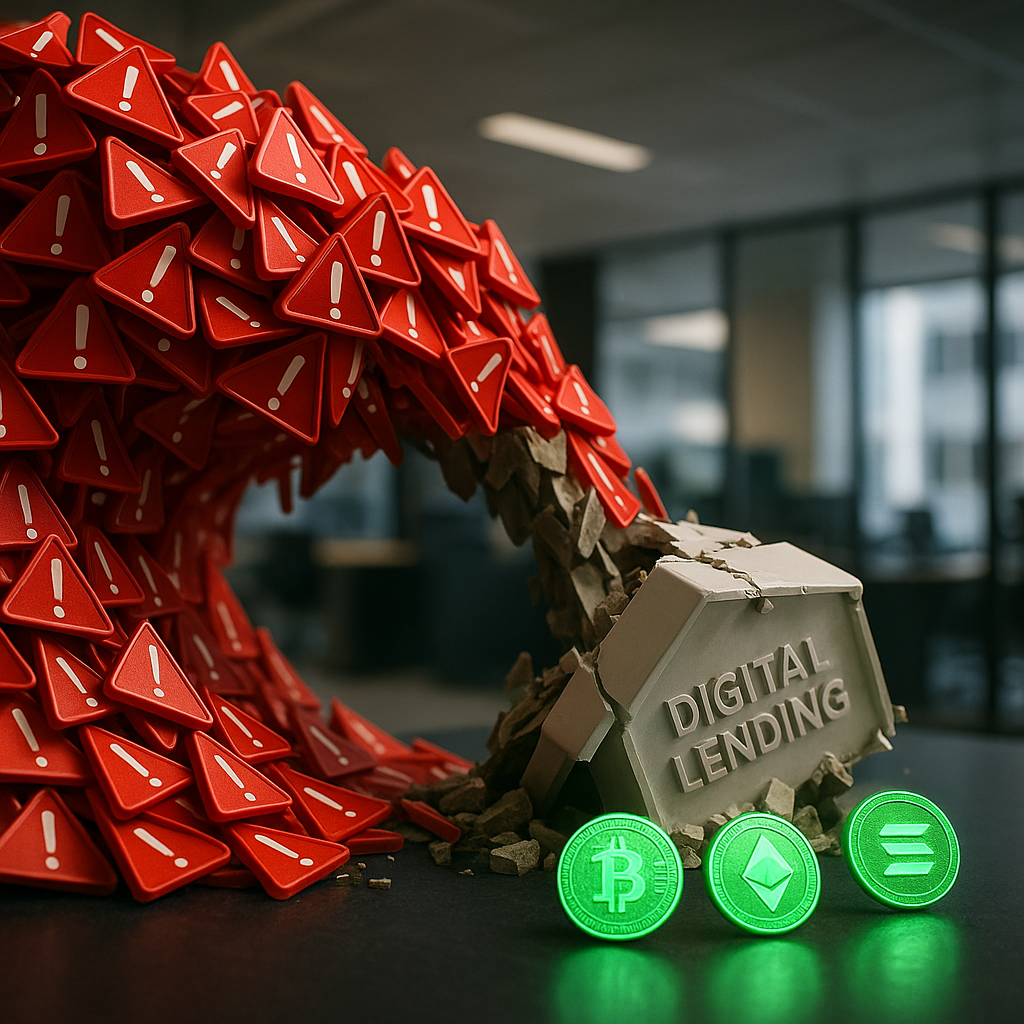
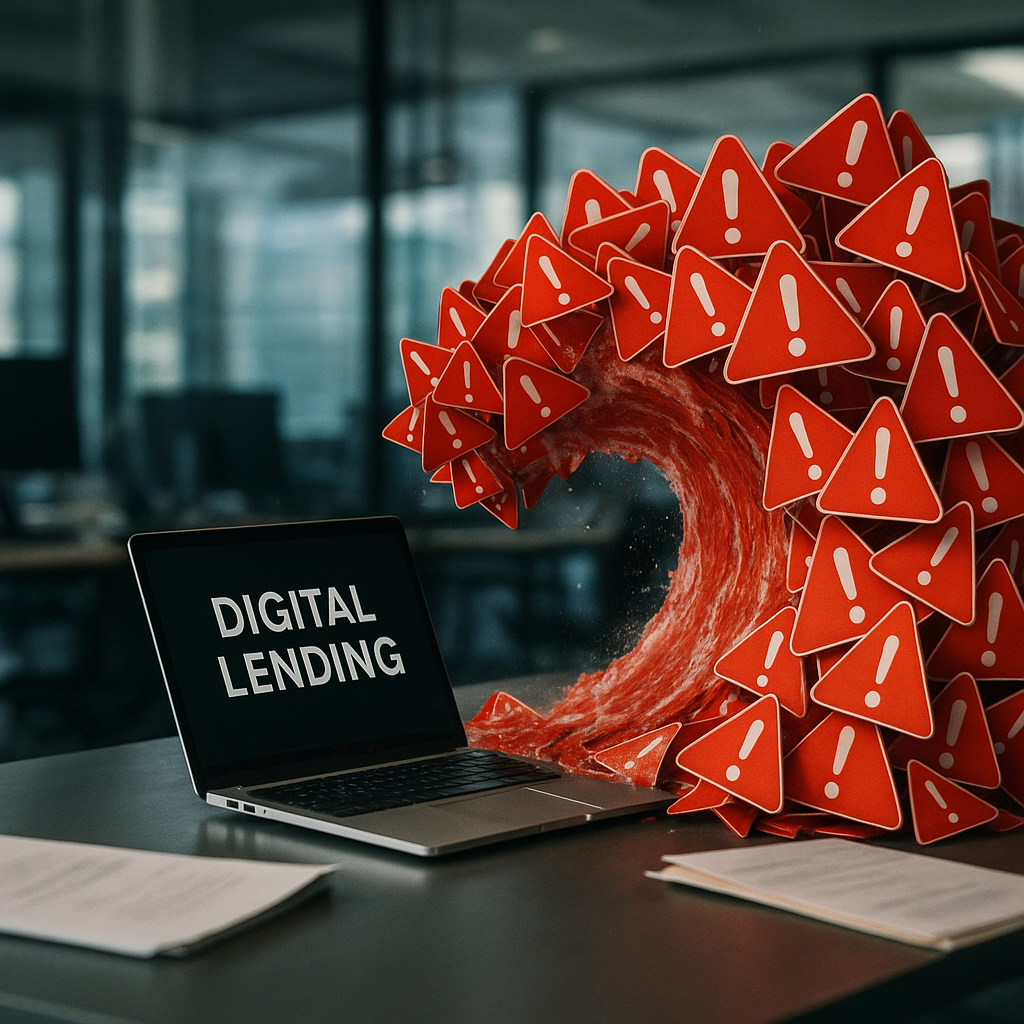
The recent exploit involving the Tectonic lending protocol has rocked the decentralized finance (DeFi) landscape. According to CoinDesk, an attacker allegedly manipulated Tectonic’s TONIC token, pushing its value up by an astounding 100-fold. This artificial inflation allowed for significant borrowing against real assets — to the tune of approximately $75 million. The fallout came swiftly as Cronos halted its blockchain, effectively pausing trading and freezing funds.
In This Article
Key Takeaways
- $75 million loss exposes severe weaknesses.
- User trust in DeFi may erode drastically.
- Immediate reactions show risks are widespread.
- $750 billion+ market value hinges on secure practices.
- *Caution* advised until improved safeguards emerge.
Quick Answer
"The recent hack of Tectonic's lending platform led to approximately $75 million being stranded after Cronos suspended its blockchain operations; it raises serious concerns about security vulnerabilities within DeFi lending ecosystems."
Why It Matters
This incident shows urgent vulnerabilities within DeFi platforms. As of now, over $75 million is stranded due to this breach in protocol security. The immediate reaction from Cronos demonstrates an attempt to manage risk, but it raises profound questions about user trust. If users can’t rely on platforms to safeguard their funds, will they continue engaging with these systems? We can’t help but wonder how many more projects are at risk if they aren’t equipped with solid security measures.
- Vulnerable protocols may deter new investors.
- The halt could indicate deeper systemic issues.
- Existing users might withdraw liquidity due to fear.
- Regulatory scrutiny is likely to increase following this event.
- This could trigger a reevaluation of collateralization practices across DeFi.
What the Market Is Missing
The market hasn’t fully grasped the repercussions of such exploits — we must watch not just immediate losses but also how they impact long-term investor behavior. While traditional finance can absorb shocks like this without catastrophic failure, DeFi lacks that cushion. The short answer is: when users lose confidence in lending protocols, potential liquidity drains can result in cascading effects across entire networks.
On-chain data indicates that volatility surrounding TONIC has significantly increased following the exploit. With trading volumes spiking before the network halt (as seen on various analytics platforms), those watching flows should take note; they might reveal more about trader sentiment than any headline ever could.
What to Watch Next
Moving forward, there are several key indicators we’ll be monitoring:
- Cronos’ Response: Their ability to restore operations and recover funds remains pivotal for confidence restoration.
- Market Reactions: How other DeFi projects react will signal willingness or apprehension in embracing similar models.
- User Withdrawals: Monitoring liquidity outflows will give insight into shifting sentiments within the community.
- Regulatory Movement: Expect heightened scrutiny as regulators respond to these vulnerabilities—watch for new compliance requirements or frameworks likely emerging soon.
- Lending Protocol Adjustments: Entities may need to bolster their security measures or collateralization techniques—a reevaluation seems imminent.

If It Were My Money
If we were holding investments in DeFi lending platforms right now, we’d be assessing our risk exposure carefully. The landscape is fraught with uncertainty; we’d want clarity on how each protocol is addressing security flaws revealed by incidents like Tectonic’s exploit. More transparency and assurance regarding fund safety would make us feel better about re-engaging with specific platforms—but until then, caution reigns supreme. In practical terms, if there’s no clear response from affected platforms or improvements made post-exploit, we’d reconsider our allocations accordingly.
The Bottom Line
The Tectonic exploit serves as a stark reminder that while DeFi holds immense promise for financial innovation, its inherent risks cannot be overlooked. This incident demonstrates the fragility of current systems that fail to prioritize solid security measures amidst rapid growth and enthusiasm from investors. We’d advocate for enhanced vigilance amongst users—if you can’t explain where the yield comes from, you are the yield (it’s risky). The Tectonic situation amplifies calls for more substantial protections as we navigate forward into what promises to be a turbulent period for DeFi.
SOURCES AND METHODOLOGY: All data referenced is connected directly back to reliable sources including CoinDesk and Cointelegraph covering events as they unfolded around August 31, 2026.
Frequently Asked Questions
What happened with Tectonic?
“An attacker exploited vulnerabilities in Tectonic’s token mechanics leading to $75 million being frozen after Cronos paused its network.”
Why does this matter for DeFi?
“The incident raises serious concerns over platform reliability which could undermine future investment and participation in decentralized finance.”
*How might this affect other projects?*
“Other protocols will likely face increased scrutiny regarding their own vulnerability management practices post-Tectonic.”
*What should users do now?*
“Investors should closely monitor developments around recovery efforts while weighing risks against potential rewards.”
*How can stakeholders improve security?*
“Enhancing technical audits and implementing stricter collateral requirements will be crucial for rebuilding user confidence.”
⚠️ Not Financial Advice: Everything above — including any price outlooks, scenarios, or forecasts. is independent research, analysis, and opinion. It is not investment, legal, or tax advice. Crypto assets are volatile and you can lose your entire investment. Always do your own research and consult a licensed professional before making financial decisions.
Related Coverage
📚 Sources & References
All primary sources linked so you can verify every claim. This article is not financial advice.
Disclosure: This article is market analysis and reporting, not financial advice. Cryptocurrency markets are volatile and you can lose money. Do your own research and consult a qualified financial professional before making investment decisions. Catatonic Times does not hold undisclosed positions in assets covered on the day of publication.