
How Smart AI Deposits Impact Banks and DeFi Lending Dynamics
Smart AI deposits might soon push banks to reassess their interest rates. This could mean higher costs for everyday borrowers, reshaping DeFi lending structures. According to CryptoSlate, analyses show that programmable deposits are upending traditional banking models as of August 27, 2026.
In This Article
Data Snapshot
- Bitcoin (BTC): $78,832 (-0.2% 24h)
- Ethereum (ETH): $2,494 (+1.2% 24h)
- Solana (SOL): $102 (+4.9% 24h)
- BNB: $705 (+1.3% 24h)
- XRP: $1.41 (-2.4% 24h)
- DOGE: $0.08688 (+0.1% 24h)
- Cardano (ADA): $0.2095 (-0.6% 24h)
- Date: August 27, 2026
Key Takeaways
- With smart AI deposits on the rise, loan rates at banks may increase.
- Access to credit could tighten for ordinary consumers because of this shift.
- DeFi platforms might gain as borrowers migrate more in response.
- Banks must adapt rapidly or risk losing market dominance.
- Traditional lending practices face significant impacts due to these changes.
What Happened?
A new report details how smart AI deposits are nudging banks towards potentially hiking loan rates. The analysis suggests faster deposit-switching may hurt banks’ ability to keep current rates over a decade rather than affecting balance sheets directly (CryptoSlate). This revelation hints at changing liquidity trends within established banking systems.
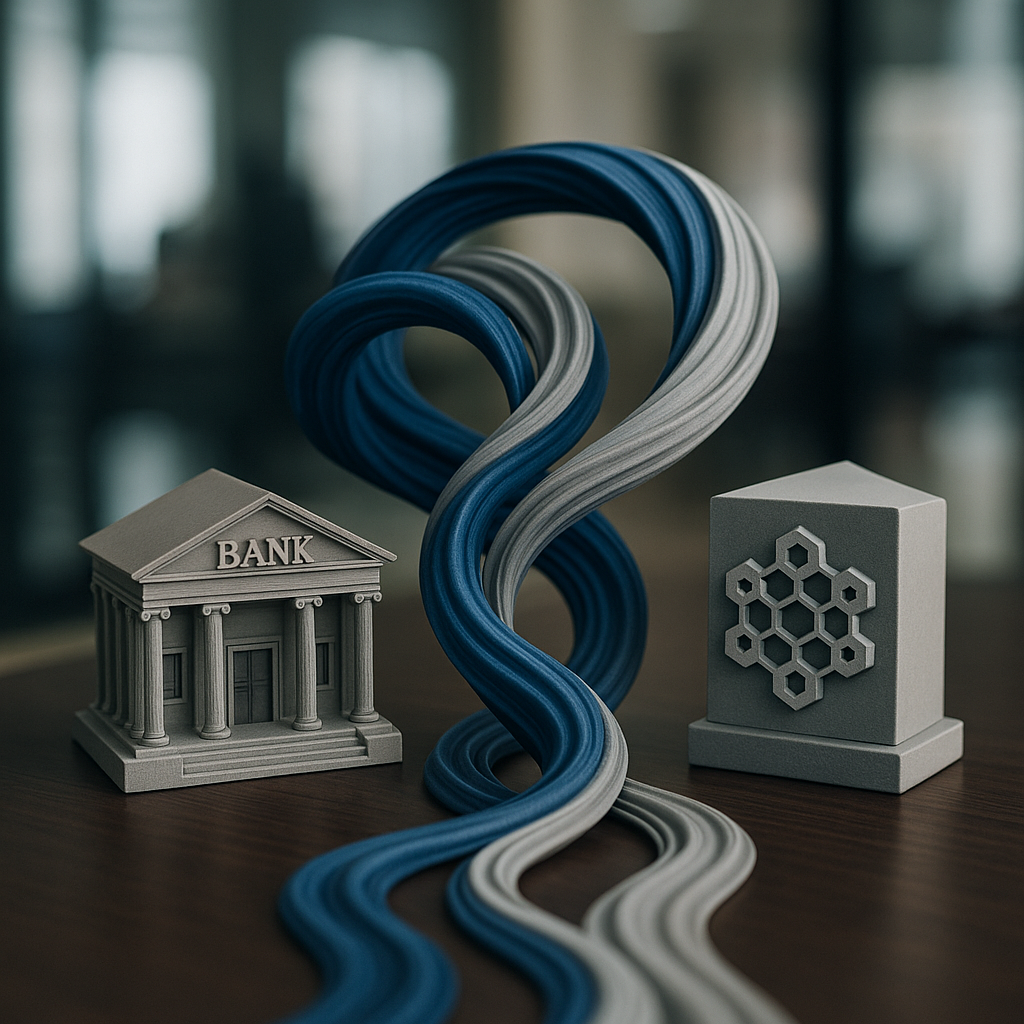
We’ve seen this development coming, really. It continues a trend where programmable finance tools increasingly bridge centralized and decentralized systems.
Why It Matters
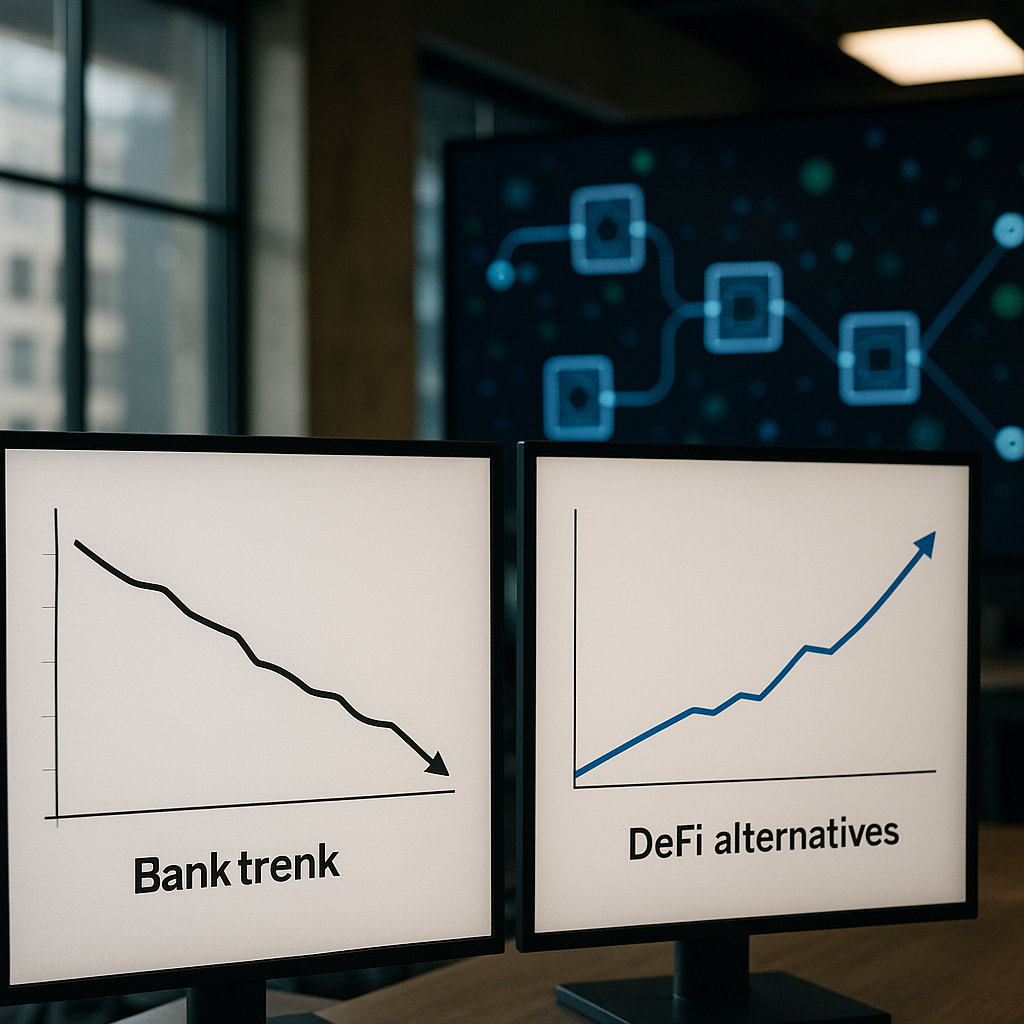
These issues go beyond mere rate tweaks — they affect average consumers’ access to loans, which often depend on favorable terms from banks. If smarter deposit mechanisms drive up interest rates, borrowers might turn more toward alternatives in DeFi’s growing market.
This situation could lead to a split lending environment where banks either tighten criteria or lose capital to decentralized avenues offering competitive borrowing without high-interest loads.
Our daily watch on exchange reserves and on-chain data further complicates things—these conditions can signal changes before media headlines catch up (we’ve seen earlier signs during past exchange collapses).
Frequently Asked Questions
What are smart AI deposits and how do they impact banks?
Smart AI deposits are programmable deposits that may push banks to reassess their interest rates. This shift could lead to higher loan costs for borrowers, forcing banks to adapt quickly to maintain market dominance in the face of changing lending dynamics.
How might smart AI deposits affect DeFi lending?
As banks potentially increase loan rates due to smart AI deposits, borrowers may turn to decentralized finance (DeFi) platforms for more competitive borrowing options. This could lead to a split lending environment where traditional banks either tighten criteria or lose capital to DeFi alternatives.
What trends are indicated by the rise of smart AI deposits?
The rise of smart AI deposits indicates a trend where programmable finance tools are increasingly bridging centralized banking systems with decentralized finance. This shift could significantly impact traditional lending practices and liquidity trends within established banking systems.
What are the potential consequences for consumers due to smart AI deposits?
Consumers may face tighter access to credit as banks adjust their loan rates in response to smart AI deposits. If borrowing costs rise, more individuals might seek alternatives in the DeFi market, affecting their overall access to loans.
When was the analysis regarding smart AI deposits published?
The analysis regarding the impact of smart AI deposits on banks and DeFi lending dynamics was published on August 27, 2026, according to CryptoSlate.
⚠️ Not Financial Advice: All content above — including potential price outlooks and scenarios. represents independent research and opinions. It’s not investment, legal, or tax advice. Crypto assets carry risk and you might lose everything invested. Always conduct your own research and consult with licensed professionals before making any financial decisions.
Related Coverage
📚 Sources & References
All primary sources linked so you can verify every claim. This article is not financial advice.
Disclosure: This article is market analysis and reporting, not financial advice. Cryptocurrency markets are volatile and you can lose money. Do your own research and consult a qualified financial professional before making investment decisions. Catatonic Times does not hold undisclosed positions in assets covered on the day of publication.


